


Admin


More stories
-
Adjectives Before and After the Noun in Spanish
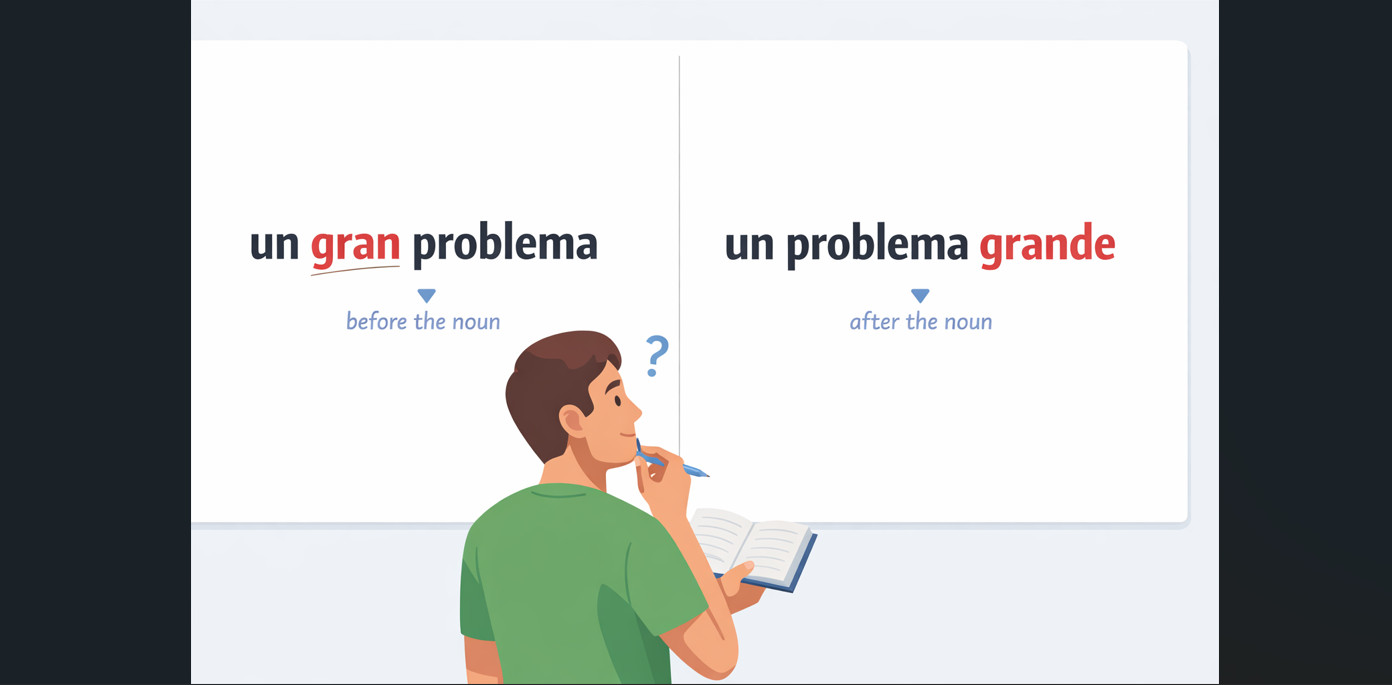
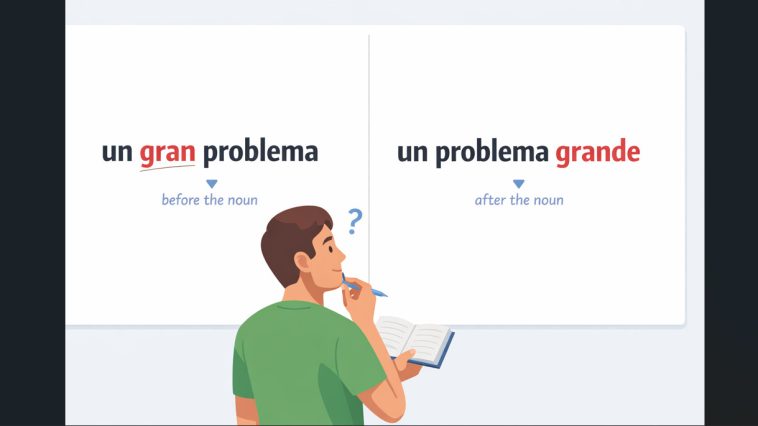
Adjectives Before and After the Noun in Spanish Gran hombre or hombre grande? In Spanish, the position of the adjective is not only decoration. Sometimes, when we put the adjective before or after the noun, the meaning can change a lot. 1. Two Main Positions Adjective before the noun: usually more subjective, emotional, or something […] More
-
The many meanings of cuenta in Spanish

The many meanings of cuenta in Spanish The noun cuenta comes from the verb contar (to count / to tell), and it carries both ideas: numbers and stories. From there, Spanish builds a whole family of expressions about money, responsibility, realization, revenge, and more. At the basic level, cuenta can mean: a bill / check in a restaurant (la cuenta) an […] More
-
in Spanish
Warnings in Spanish with no te vayas a…

Warnings in Spanish with no te vayas a… In Spanish, everyday warnings often sound caring, not bossy. Instead of just “don’t do that,” people use a structure that feels like “careful, you’re about to…”. Pattern: No + pronombre + vayas a + verbo (infinitivo) It uses the verb ir in the subjunctive/negative command, but here […] More
-
in Grammar, Spanish, Translation, Vocabulary
Calladito, despacito: how Spanish uses little words to soften commands
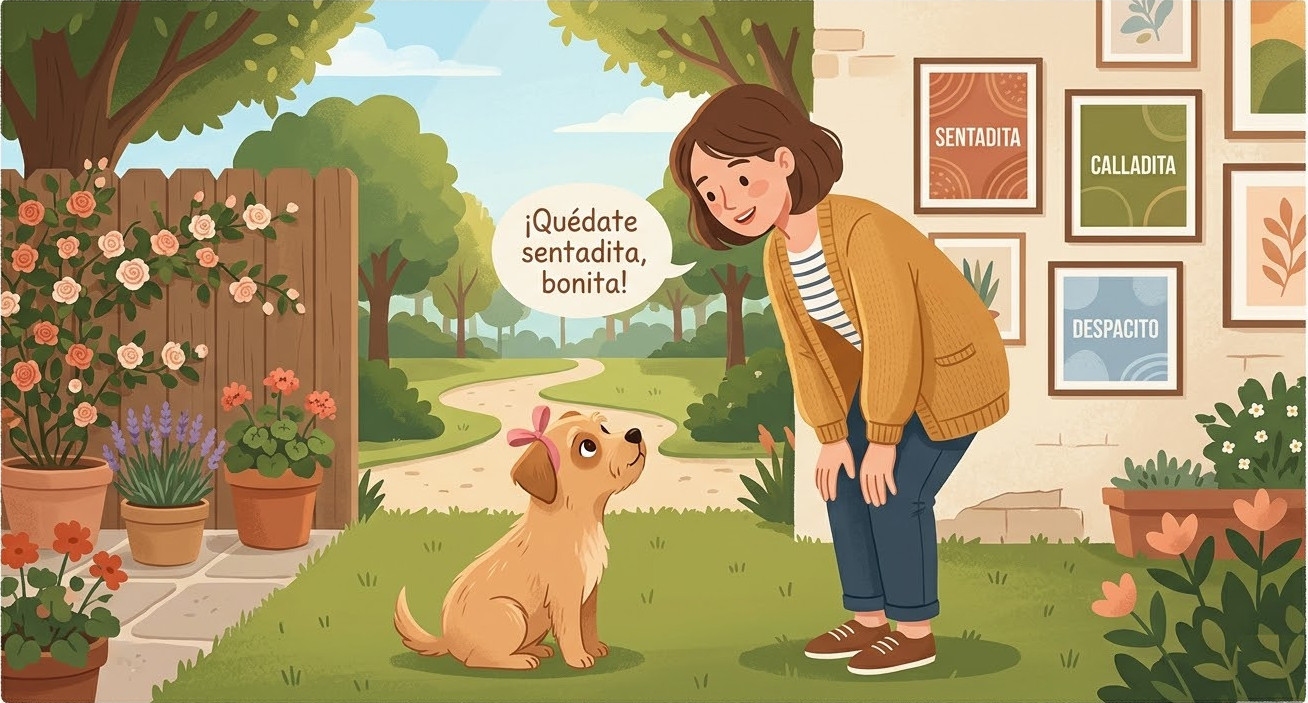
Calladito, despacito: how Spanish uses little words to soften commands In English, you are just sitting or quiet. In Spanish, you can be sentado, but also sentadito, callado, or calladito, depending on the tone. Those little endings -ito, -ita, -cito, -cita don’t change the basic meaning, but they change how it feels: more affectionate, softer, […] More
-
in Culture, Spanish, Translation
✨ “Estrenar”: A Spanish Verb with No Exact English counterpart

“`html ✨ “Estrenar”: A Spanish Verb with No Exact English counterpart Wearing, using or showing something for the first time… all in one word Spanish has a very special verb that English doesn’t really have: estrenar. We use it all the time, but it’s hard to translate with just one neat word in English. At […] More
-
FEELING ALL THE FEELS IN SPANISH: DAR vs TENER
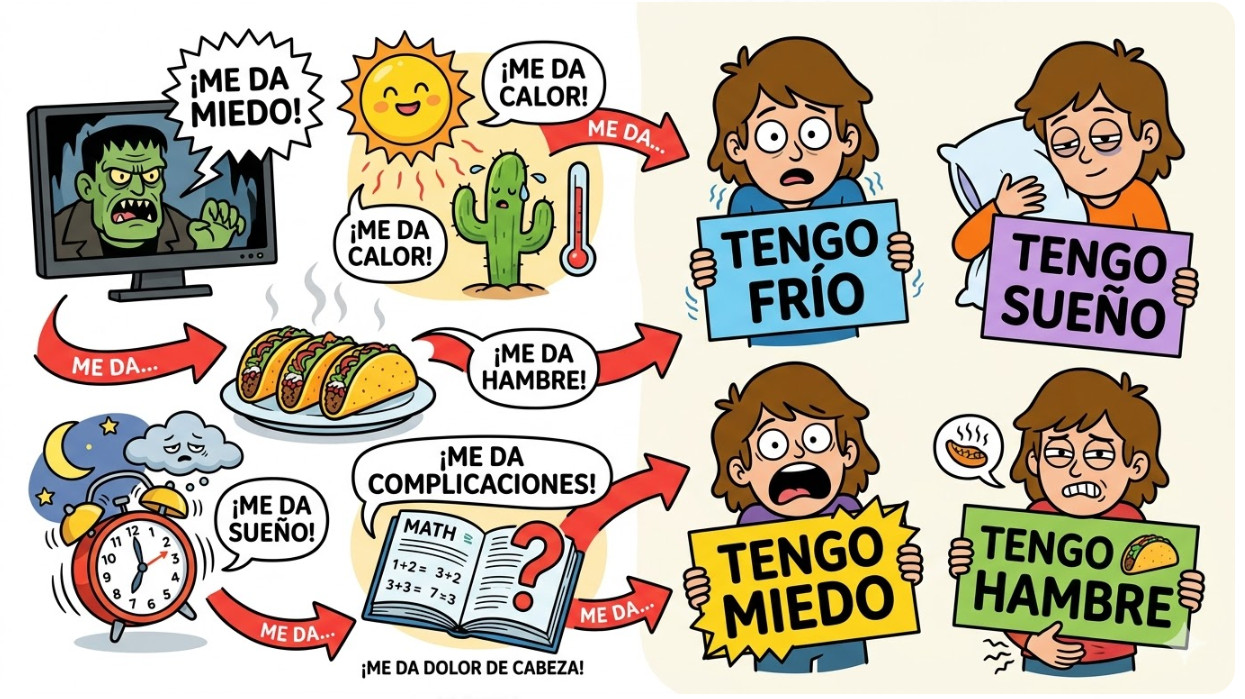
FEELING ALL THE FEELS IN SPANISH: DAR vs TENER How to say you’re hungry, sleepy, jealous, grossed out and more with fun, natural Spanish expressions. In English we usually just say “I am hungry / I am cold / I am scared.” In Spanish, we have two very expressive options to talk about physical sensations […] More
-
in Grammar, Spanish, Vocabulary
¡HOY TOCA!
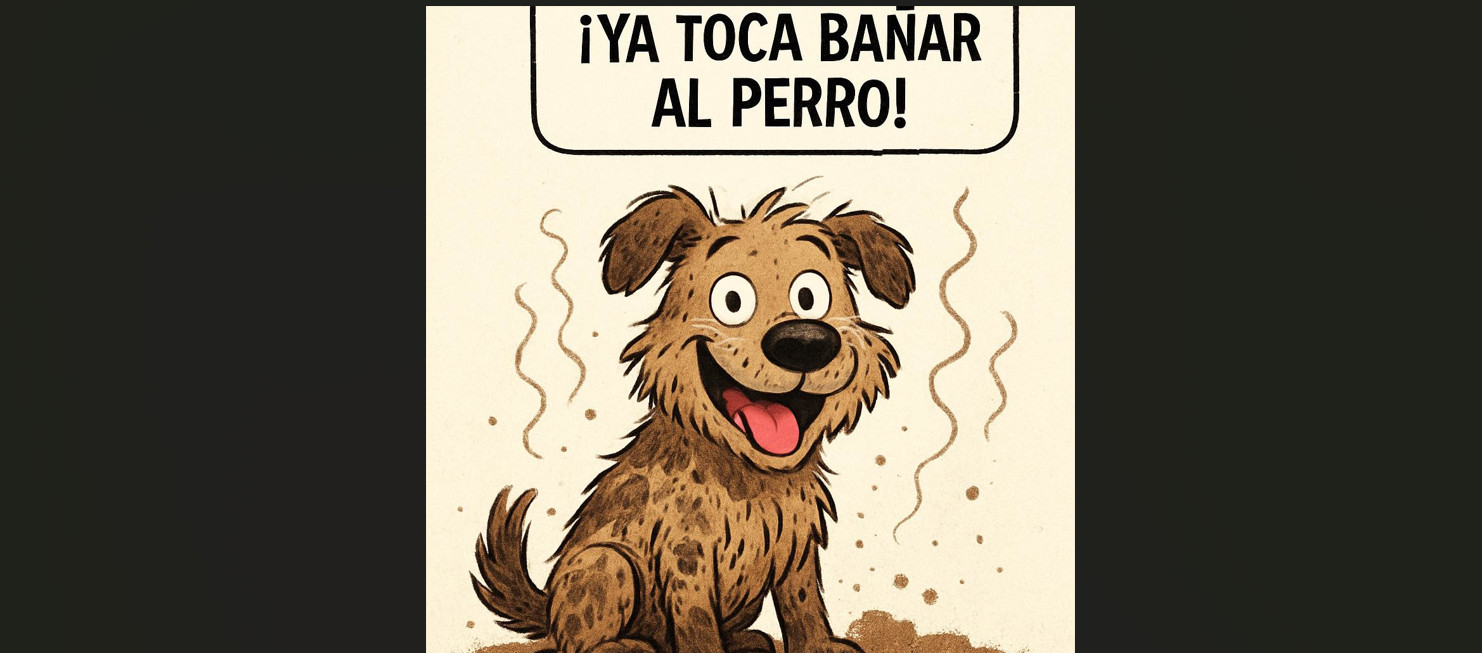
… understand the verb TOCAR ¡Hoy toca! Today is the day! to really understand how Spanish speakers use TOCAR. The verb tocar looks simple (“to touch”), but in Spanish it has several very different meanings. In this lesson, we focus on two very common ideas: Chance / luck / coincidence: “this happened to me by […] More
-
in Spanish
🌀 “Ya” in Spanish: One Tiny Word, Many Meanings
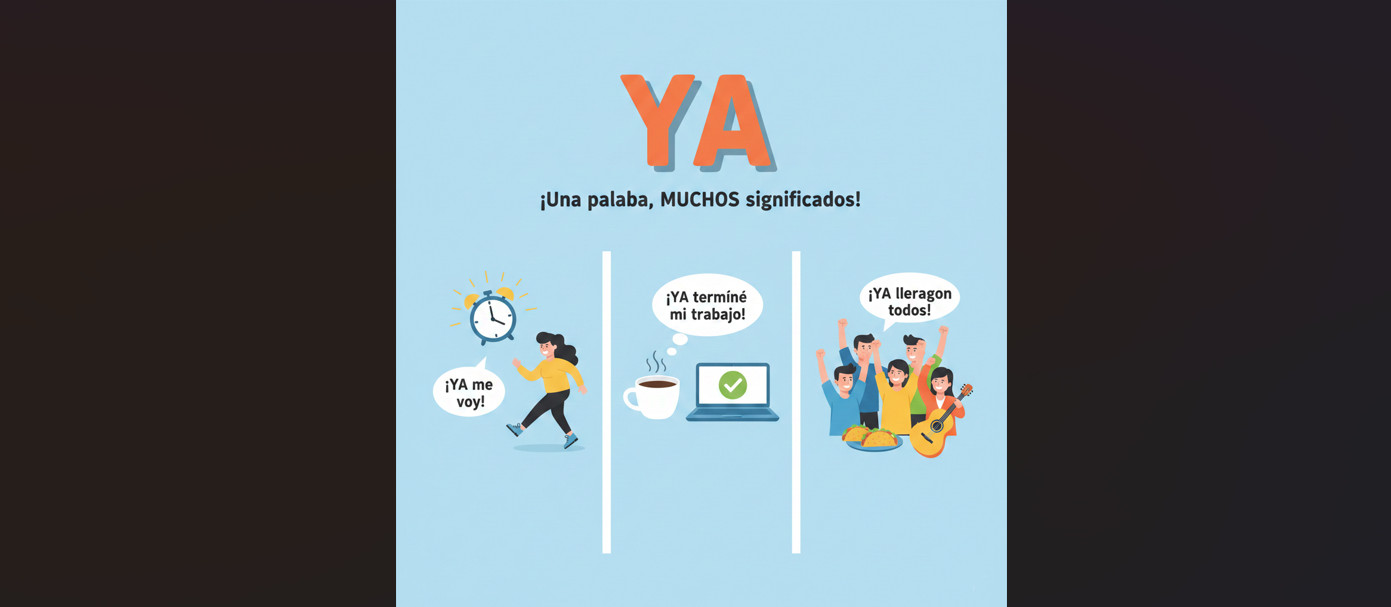
🌀 “Ya” in Spanish: One Tiny Word, Many Meanings Already, yet, now, not anymore, “I get it”… all in two letters The little word ya appears everywhere in Spanish, but it doesn’t always mean the same thing. Depending on the verb tense, the tone and the context, it can mean already, yet, now, not […] More
-
in Spanish
😵💫 10 More Spanish Expressions That Are Not Easy to Figure Out. Soponcio.
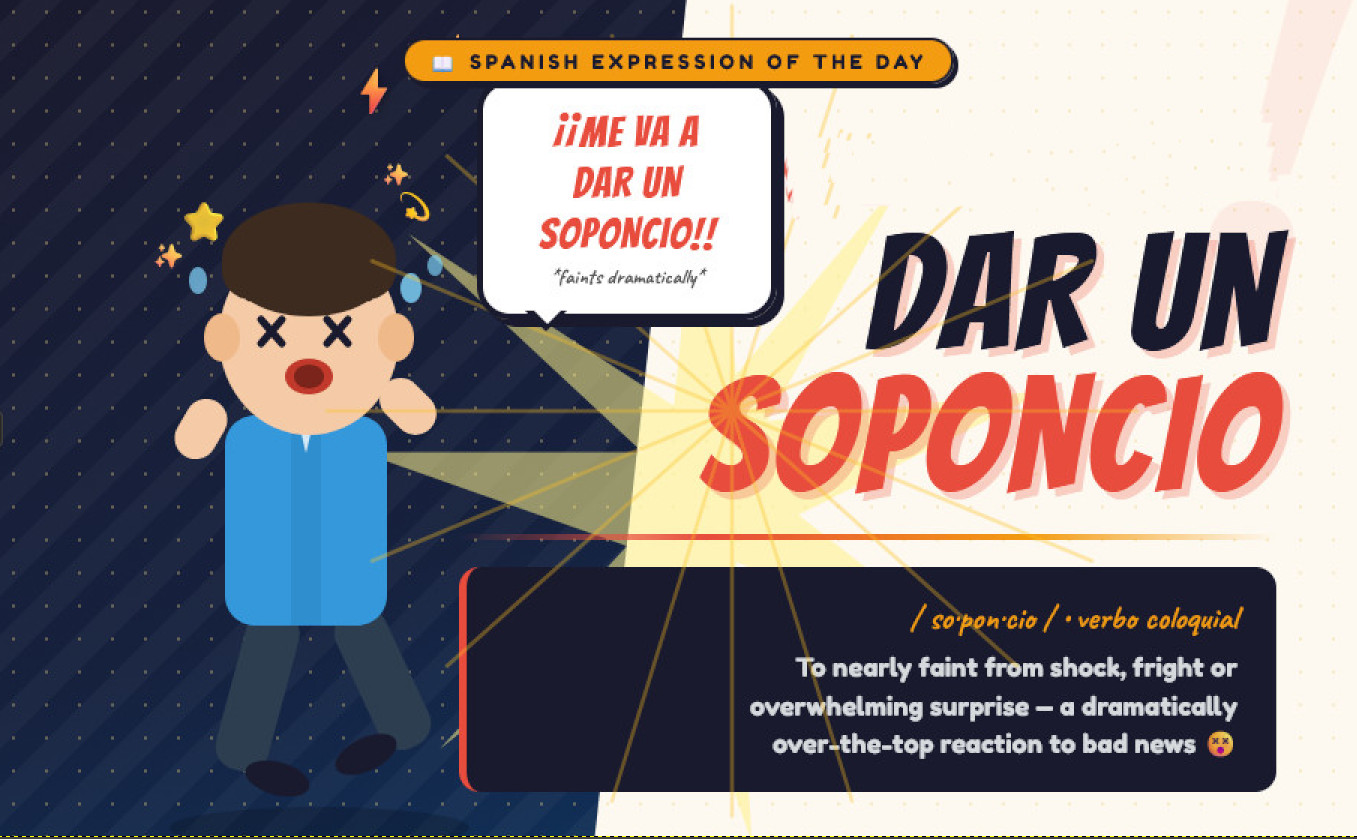
From fainting fits to “letting loose” and covering the macho’s eye Sometimes the most confusing Spanish expressions are the ones that sound “transparent” but actually mean something completely different. In this new set of ten, you’ll see fainting fits, party mode, money slang, and even a macho bull getting his eye covered. […] More
-
in Spanish
😋 Antojarse, Antojar, Antojársele, Antojitos

😋 Antojarse, Antojar, Antojársele, Antojitos ¡Cuando algo simplemente se te antoja! Have you ever suddenly craved something — like chocolate, tacos, or ice cream — and you weren’t even sure why? In Spanish, there’s one perfect verb for that feeling: ANTOJARSE. 💭 “Se me antojó un helado.” Literally: A craving for ice cream just […] More
-
Spanish Last Names revisited: Why Spanish, Italian, Korean and Russian Last Name Systems Are So Different
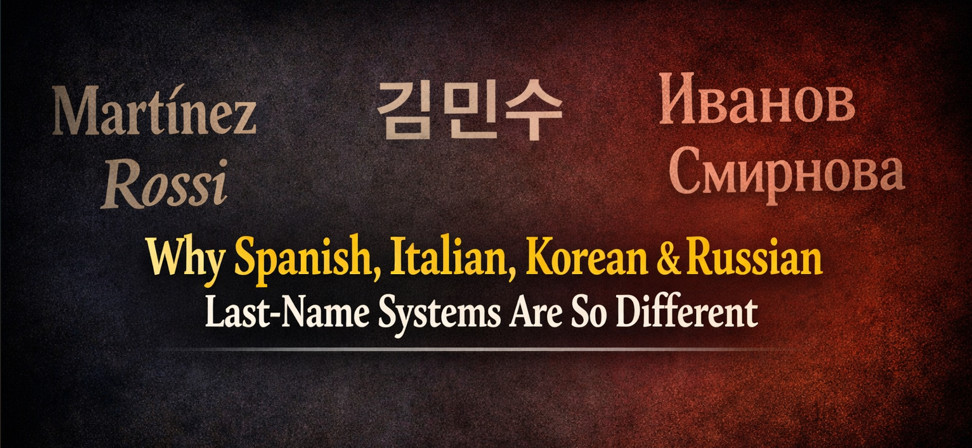
Why Spanish, Italian, Korean and Russian Last Names Look So Different We usually think a “last name” is something simple: one family name, one family. But if you compare Spanish, Italian, Korean and Russian names, you see very different systems and very different numbers. Spoiler: different cultures found very different ways to answer the same […] More
-
in Spanish
“¡Aquí mero, por favor!”: Mero, a Very Mexican Little Word

How Mexicans use “mero”, “ya mero”, “aquí mero”, “el mero mero”, “yo mero” and more, plus the formal word “mero” and “meramente”. Mexican Spanish The word mero is small, but in Mexico it has a lot of personality. With just this word you can say things like “almost”, “right here”, “the main boss”, or “me, […] More

Load More
Congratulations. You've reached the end of the internet.