

Vocabulary
Post teaching new vocabulary.
Latest stories
More stories
-
in Culture, Mexico, Spanish, Vocabulary
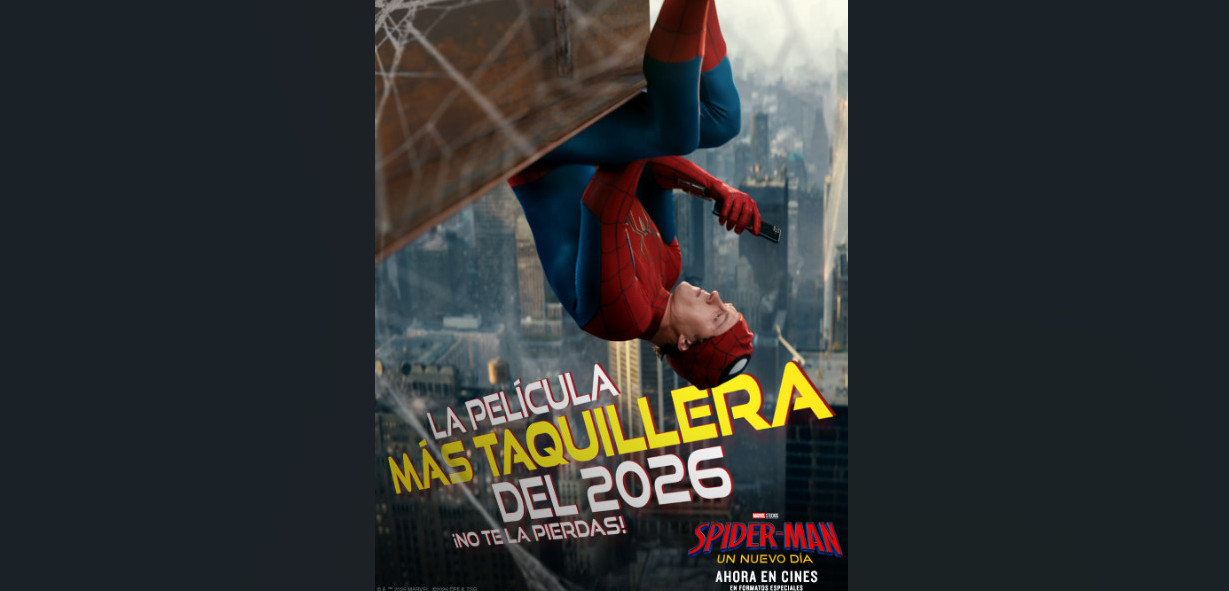
Taquillero and Taquilla
Admin updated
“`html Taquillero and Taquilla: Fun Spanish Words for What Draw a Crowd Learn how to use taquillero, ser taquillero, and la taquilla in everyday Spanish. You know when a movie comes out and suddenly everyone has seen it? Or when an actor is so popular that people buy a ticket just because their name appears […] More
-
in Culture, Grammar, Mexico, Spanish, Translation, Vocabulary
Igual e Igualito, and even igualititito

Igual e Igualito Why Mexican Spanish speakers say igualito (igualita, igualitos, and igualitas.) Someone shows you an old family photo and says: “Eras igualito a tu papá.” You may already know that igual means “same,” but why do people add -ito? In Mexico, people say igualito all the time when they see a strong […] More
-
How to Say “Excuse Me” in Spanish: More Than One Useful Phrase
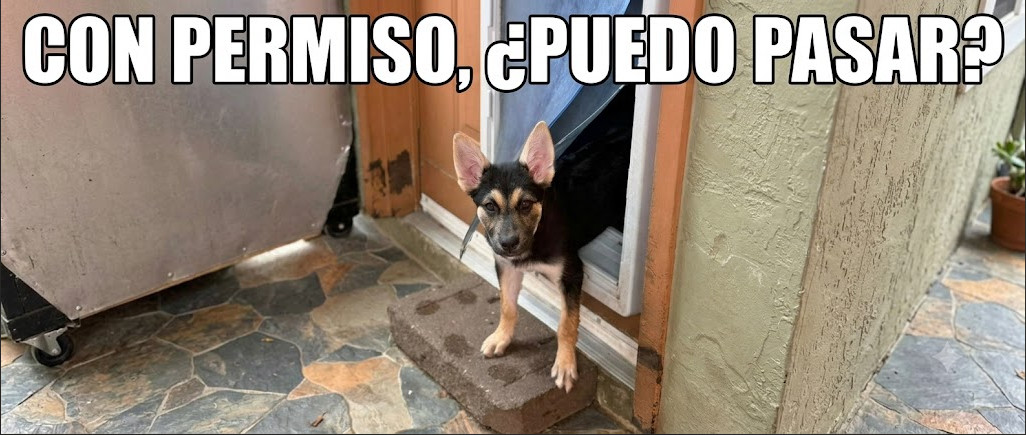
How to Say “Excuse Me” in Spanish Con permiso, perdón, disculpe, lo siento, dispense and other ways to sound polite in Spanish. English uses excuse me for many different situations: getting someone’s attention, moving through a crowd, apologizing for a small accident, asking someone to repeat something, or politely interrupting. Spanish does not rely on […] More
-
in Culture, Mexico, News, Spanish, Vocabulary
World Cup Spanish: Fútbol Vocabulary for Fans
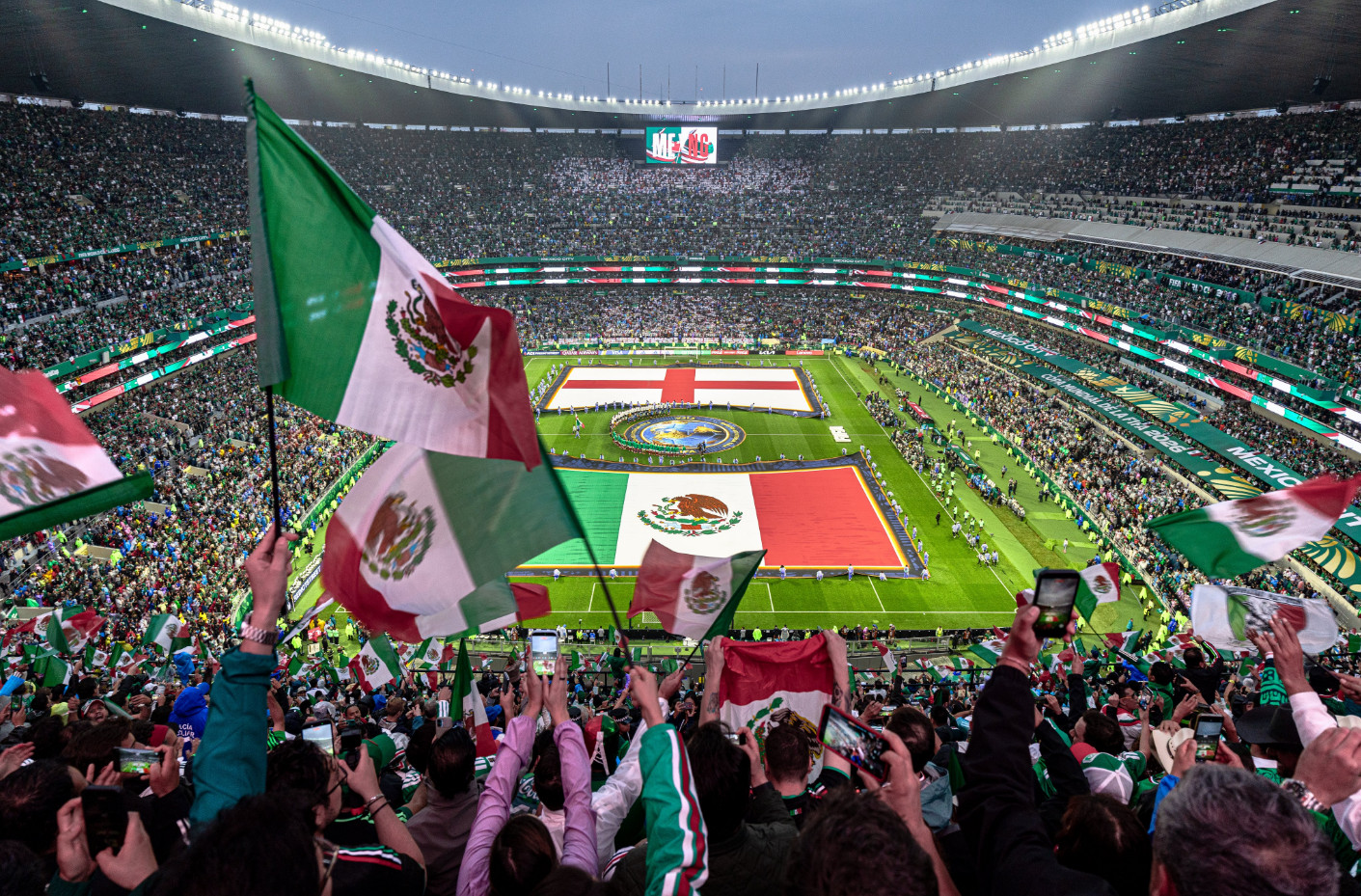
The FIFA World Cup is a perfect excuse to learn Spanish soccer vocabulary. In English you see both “football” and “soccer”; in Spanish you hear fútbol, sometimes written “futbol” in Mexico, and a long list of words that commentators and fans use during the matches. This guide puts key World Cup terms in one table, […] More
-
in Culture, Mexico, Spanish, Vocabulary
Bolsa in Spanish: Bags, Pockets, the Stock Market, and More
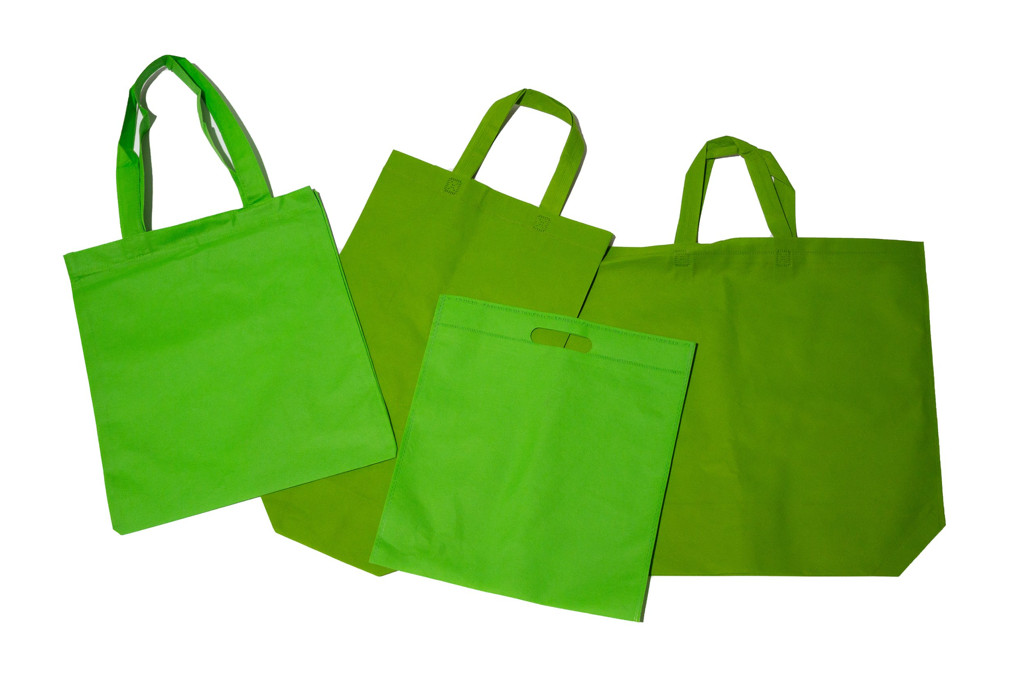
Spanish loves words that do many jobs. One of them is bolsa. In English, you usually need several different words – bag, purse, plastic bag, pocket, stock exchange – but in Spanish, bolsa covers a lot of that territory. It is a classic polysemic word: one form, many related meanings. In this post we […] More
-
Three Typical Spanish Jokes Explained in English
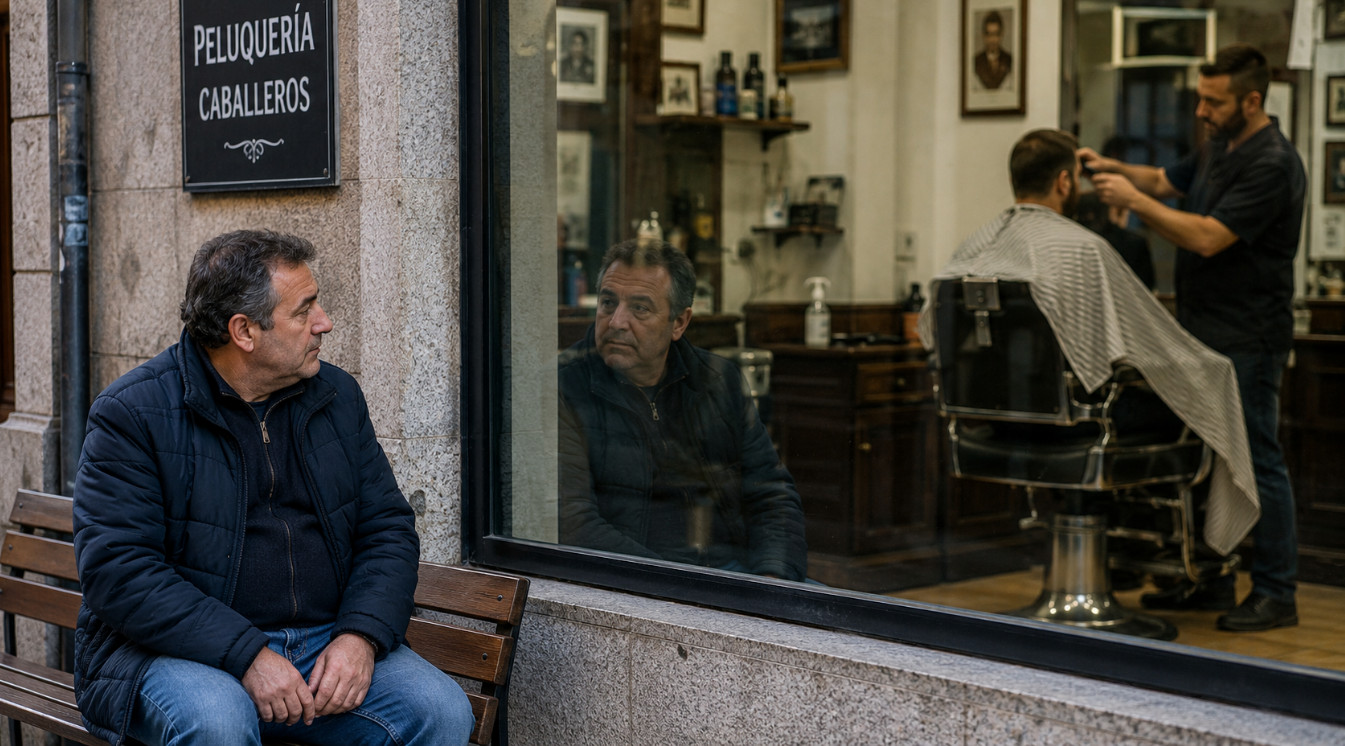
Some Spanish jokes are tricky for English speakers, not because the grammar is hard, but because they depend on a small cultural detail, a hidden assumption, or a little misunderstanding in the dialogue. Here are three short jokes, with translations and explanations in English so you can see what is going on. Spanish joke […] More
-
¡Niño malcriado y maleducado!

Spanish Words with the Prefix “mal‑” Part 2: everyday words and strong insults built with mal‑. The prefix mal‑ comes from Latin and adds the idea of “bad, wrong, poorly” to the base word. Many of these words are common and neutral in everyday Spanish, while others are very strong or even vulgar, so it […] More
-
in Mexico, Spanish, Translation, Vocabulary
How fruits change names in Spanish
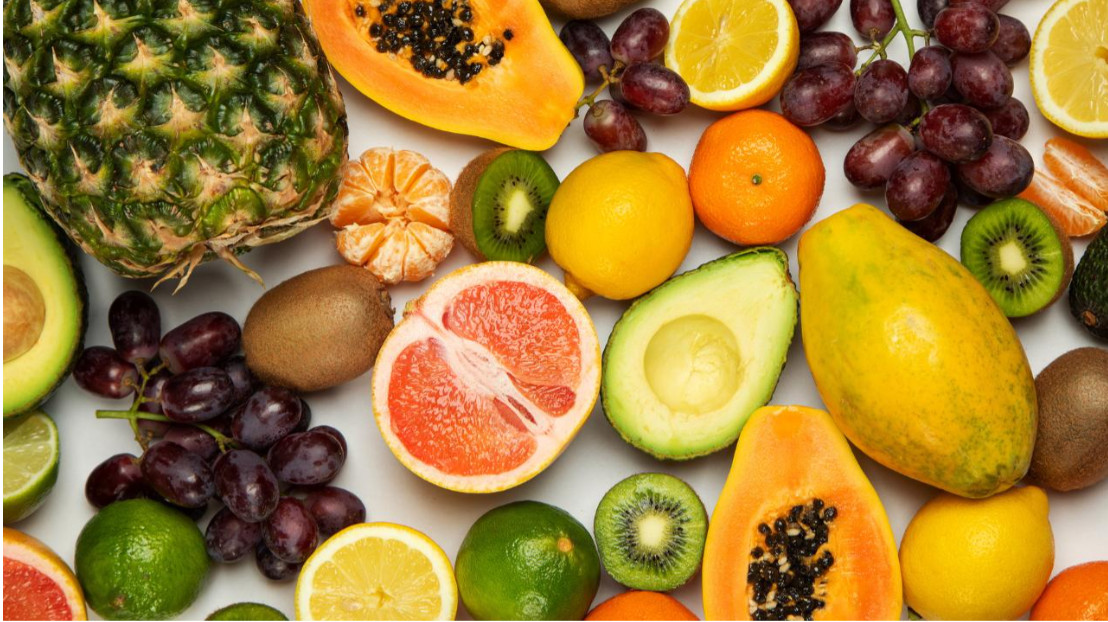
In Spanish, fruits and vegetables don’t always get the same name in every country. You say a word that worked perfectly in one place… and in another country they look at you like you’re speaking Chinese. In this post you’ll see some classic examples, so the next time you see china, palta, batata or pochoclo […] More
-
in Grammar, Spanish, Translation, Vocabulary
Calladito, despacito: how Spanish uses little words to soften commands
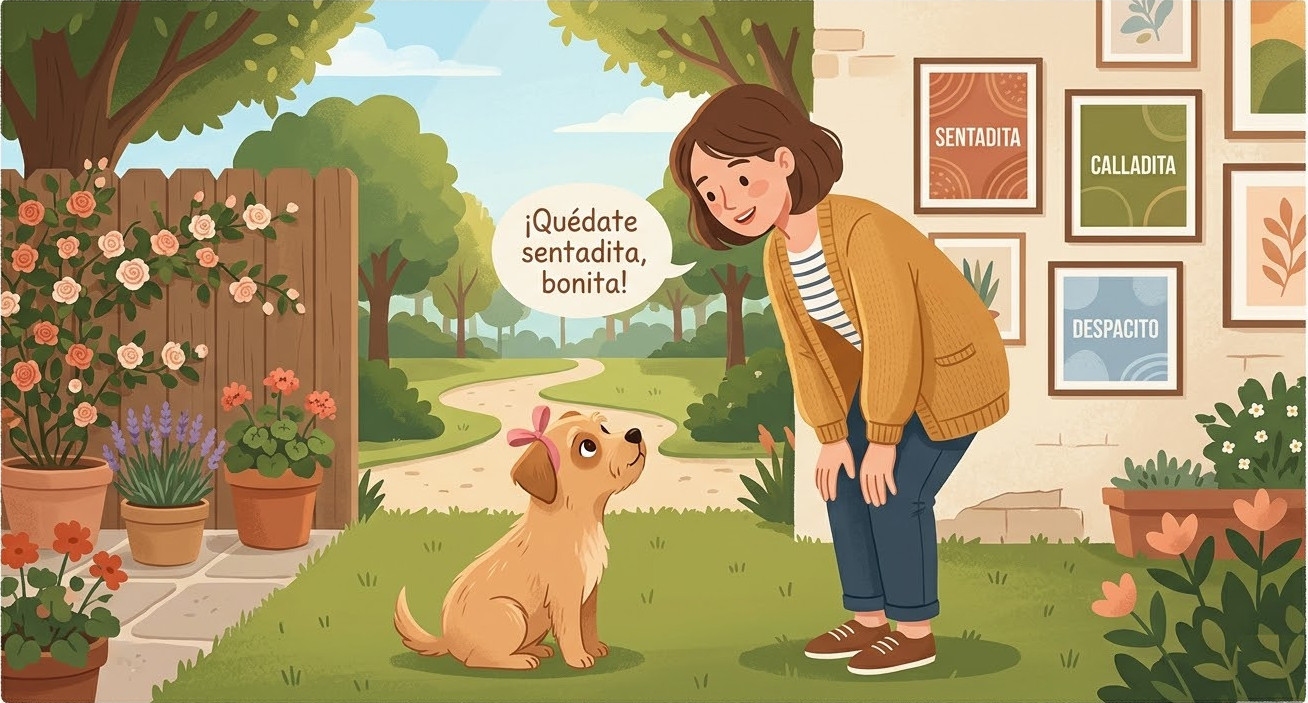
Calladito, despacito: how Spanish uses little words to soften commands In English, you are just sitting or quiet. In Spanish, you can be sentado, but also sentadito, callado, or calladito, depending on the tone. Those little endings -ito, -ita, -cito, -cita don’t change the basic meaning, but they change how it feels: more affectionate, softer, […] More
-
in Grammar, Spanish, Vocabulary
¡HOY TOCA!
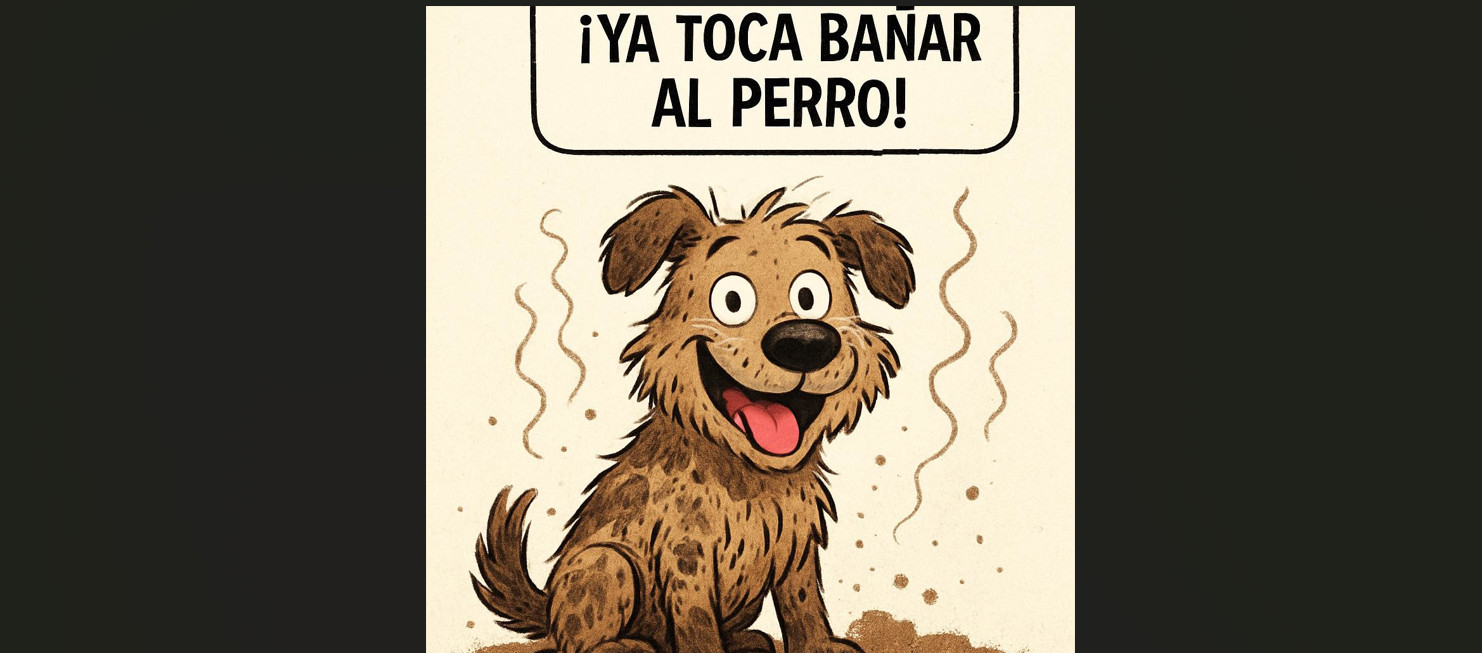
… understand the verb TOCAR ¡Hoy toca! Today is the day! to really understand how Spanish speakers use TOCAR. The verb tocar looks simple (“to touch”), but in Spanish it has several very different meanings. In this lesson, we focus on two very common ideas: Chance / luck / coincidence: “this happened to me by […] More
-
Chopped Spanish — common spoken shortenings you’ll hear everywhere

Spanish that is not in the books, but that exists in everyday casual speech In casual Spanish, people shorten words all the time. They move fast, they like rhythm, and they often drop syllables — especially para, está, estoy, espera, and nada. These shortened forms are normal in conversation but usually not written (except in […] More
-
Beto, Pepe, Don Goyo, y más — Nicknames and the full names behind them (Updated from 2021)
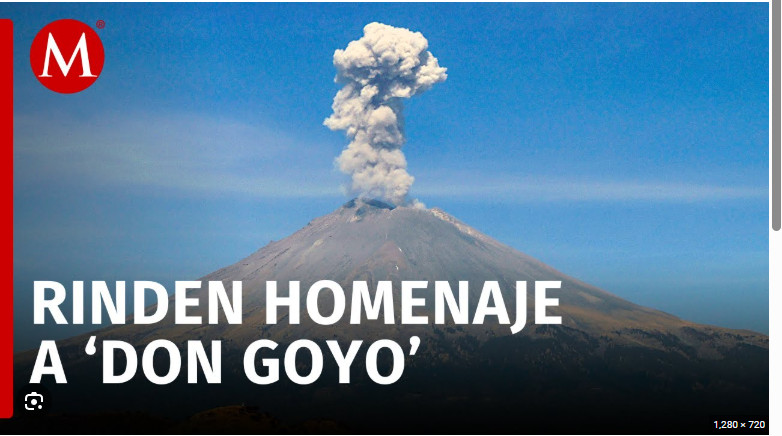
A guide to common Spanish nicknames and diminutives so you don’t get confused Spanish speakers love nicknames. Many formal given names get shortened, changed, or turned into other forms that can be tricky for learners. Across the Spanish-speaking world, people use these nicknames in daily life — at home, at work, and on the street […] More

Load More
Congratulations. You've reached the end of the internet.