


italiano
Latest stories

More stories
-
Navigating the Tricky World of False Cognates in Italian and Spanish

Admin updated
False cognates refresher: False cognates are words that look or sound alike in two languages but mean completely different things. They can be particularly misleading for language learners because their familiar appearance can make you think you understand them, only to find out later that you’ve misunderstood the conversation. Examples: To help you navigate […] More
-
in Grammar, Vocabulary
The silent Spanish letter H

In most varieties of modern Spanish, the letter “h” is silent and has no sound. However, this has not always been the case. The sound of the letter “h” in Spanish has been gradually disappearing over the centuries. In medieval Spanish, the letter “h” was pronounced as an aspirated consonant, similar to the “h” sound […] More
-
in Culture, Translation
Finito is Italian, not Spanish
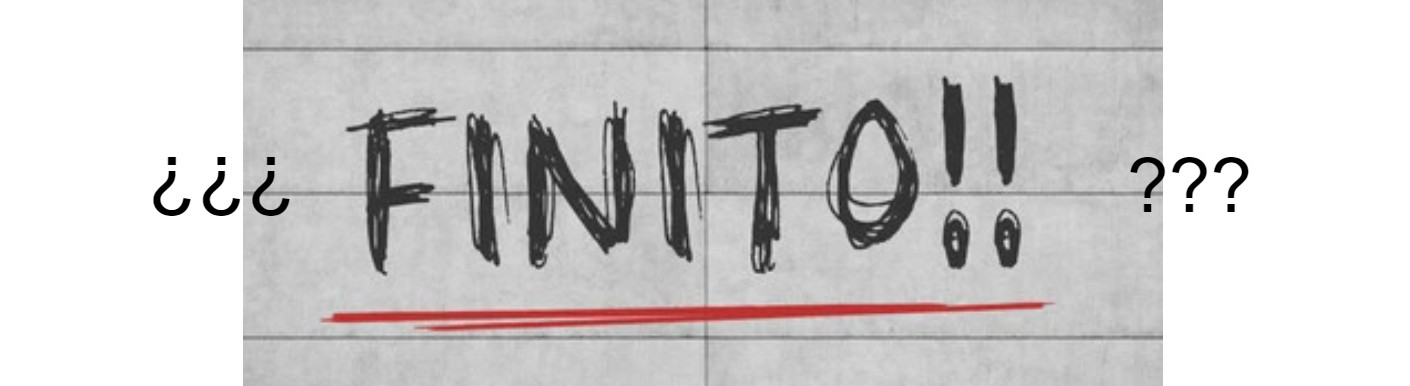
It’s not uncommon to hear Spanish language students say finito! when they finish doing a quiz or an exercise. The thing is that finito meaning done! is not a Spanish word, it’s the past participle of the Italian verb finire. Finito in Spanish is an adjective that is used mainly in mathematics referring to a […] More
-
La Kahlo

The use of “La” only for famous ladies. It’s a pop culture thing to refer to famous ladies using the definite article plus her last name to convey something like “the one and only.” For example: La Monroe The one and only Miss Monroe. It’s like if there were no other famous woman with […] More