


Grammar
Posts related to Spanish grammar.

More stories
-
Adjectives Before and After the Noun in Spanish
Admin updated
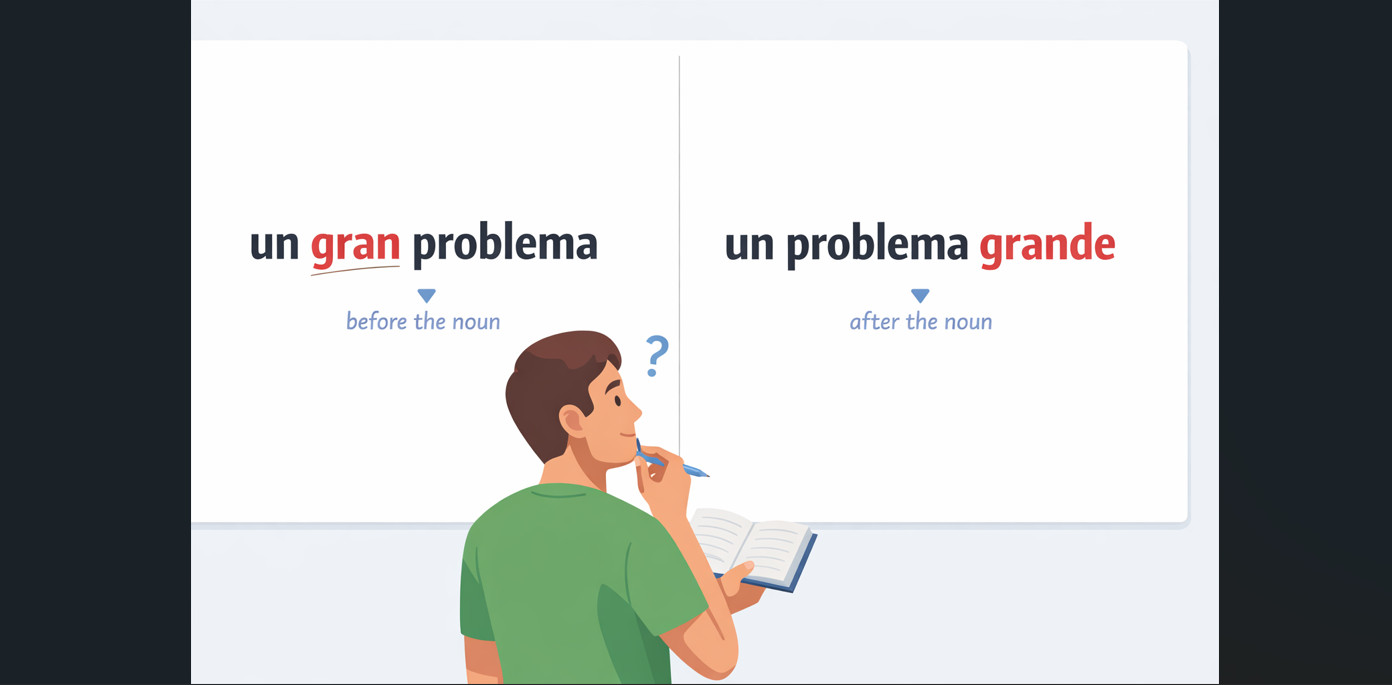
Adjectives Before and After the Noun in Spanish Gran hombre or hombre grande? In Spanish, the position of the adjective is not only decoration. Sometimes, when we put the adjective before or after the noun, the meaning can change a lot. 1. Two Main Positions Adjective before the noun: usually more subjective, emotional, or something […] More
-
The many meanings of cuenta in Spanish

The many meanings of cuenta in Spanish The noun cuenta comes from the verb contar (to count / to tell), and it carries both ideas: numbers and stories. From there, Spanish builds a whole family of expressions about money, responsibility, realization, revenge, and more. At the basic level, cuenta can mean: a bill / check in a restaurant (la cuenta) an […] More
-
in Grammar, Spanish, Translation, Vocabulary
Calladito, despacito: how Spanish uses little words to soften commands
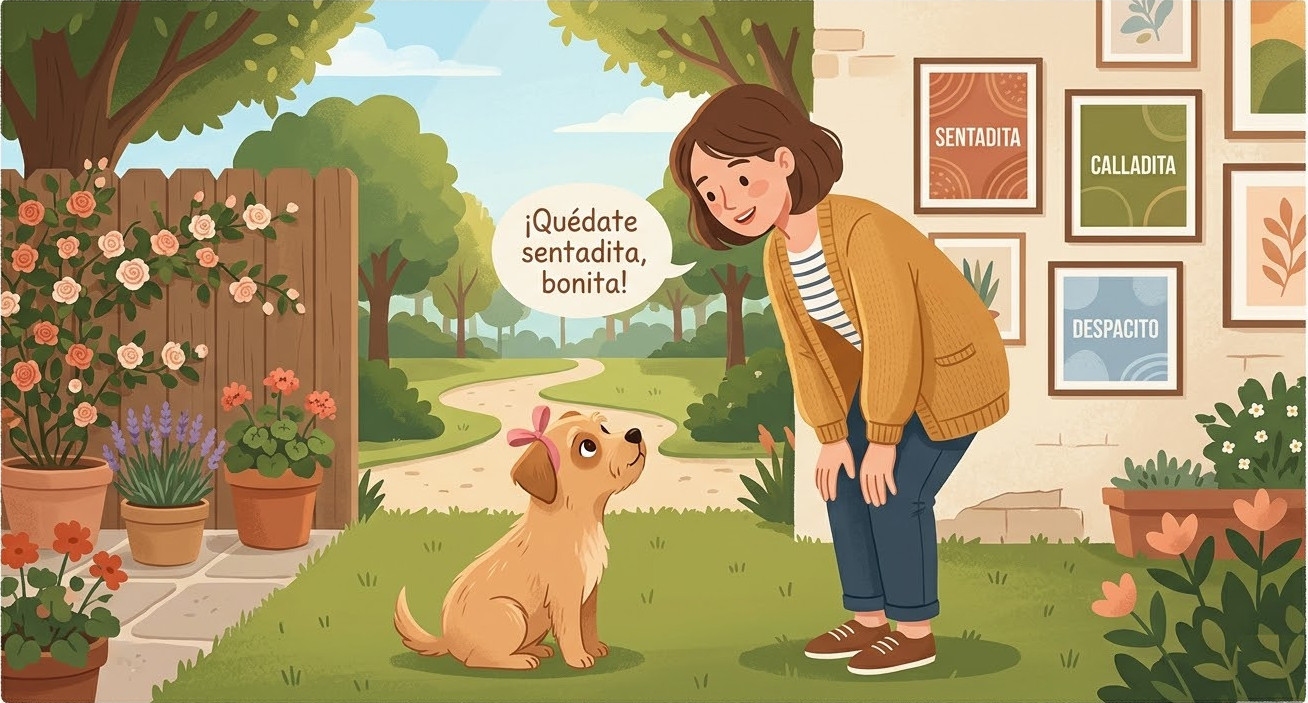
Calladito, despacito: how Spanish uses little words to soften commands In English, you are just sitting or quiet. In Spanish, you can be sentado, but also sentadito, callado, or calladito, depending on the tone. Those little endings -ito, -ita, -cito, -cita don’t change the basic meaning, but they change how it feels: more affectionate, softer, […] More
-
FEELING ALL THE FEELS IN SPANISH: DAR vs TENER
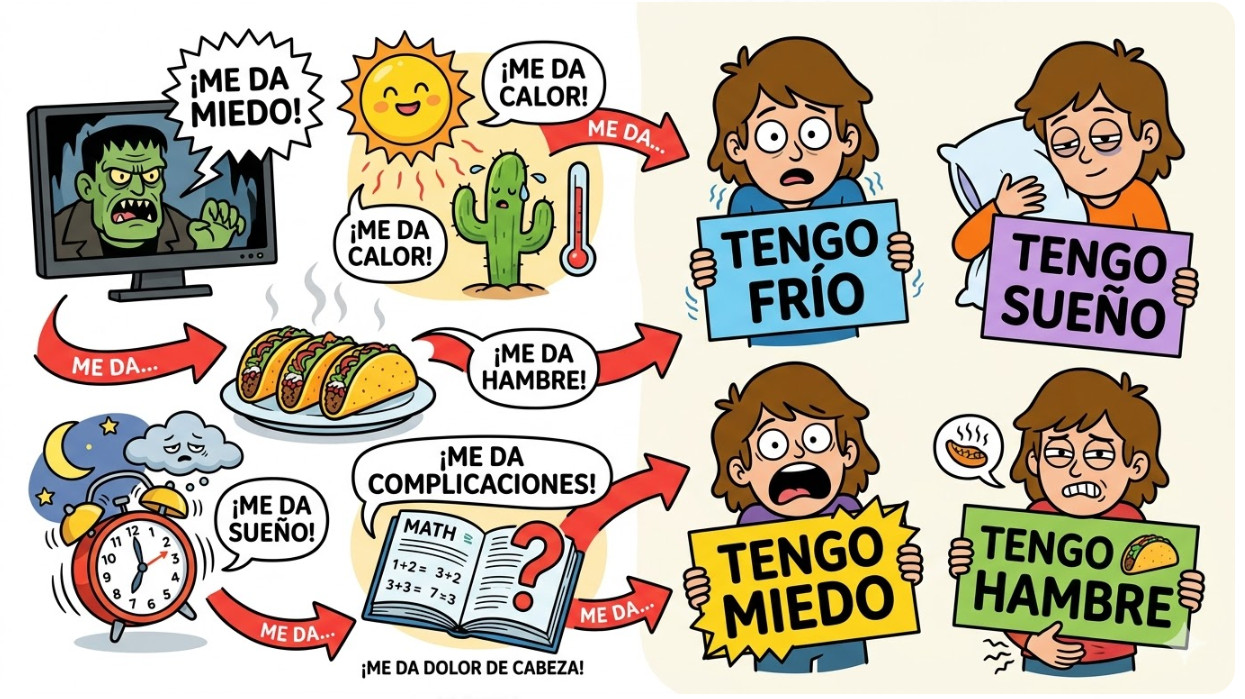
FEELING ALL THE FEELS IN SPANISH: DAR vs TENER How to say you’re hungry, sleepy, jealous, grossed out and more with fun, natural Spanish expressions. In English we usually just say “I am hungry / I am cold / I am scared.” In Spanish, we have two very expressive options to talk about physical sensations […] More
-
in Grammar, Spanish, Vocabulary
¡HOY TOCA!
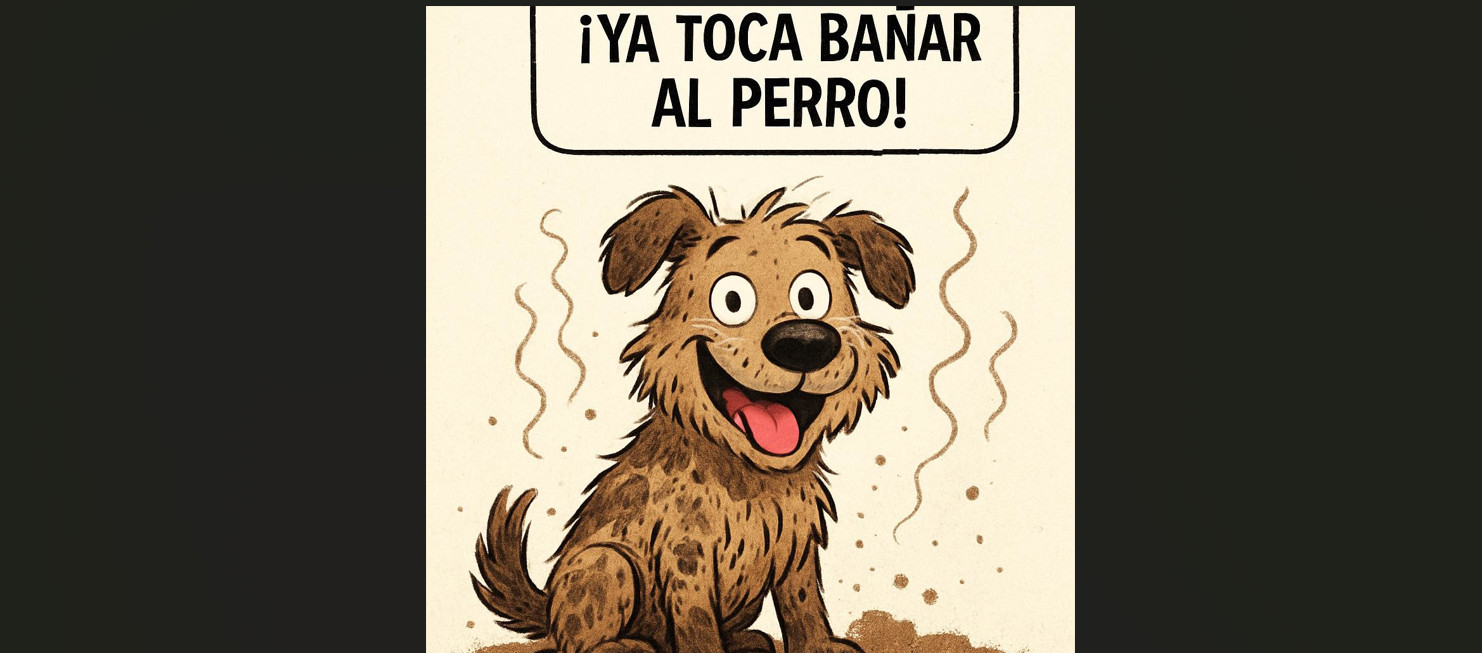
… understand the verb TOCAR ¡Hoy toca! Today is the day! to really understand how Spanish speakers use TOCAR. The verb tocar looks simple (“to touch”), but in Spanish it has several very different meanings. In this lesson, we focus on two very common ideas: Chance / luck / coincidence: “this happened to me by […] More
-
😵💫 10 More Spanish Expressions That Are Not Easy to Figure Out. Soponcio.
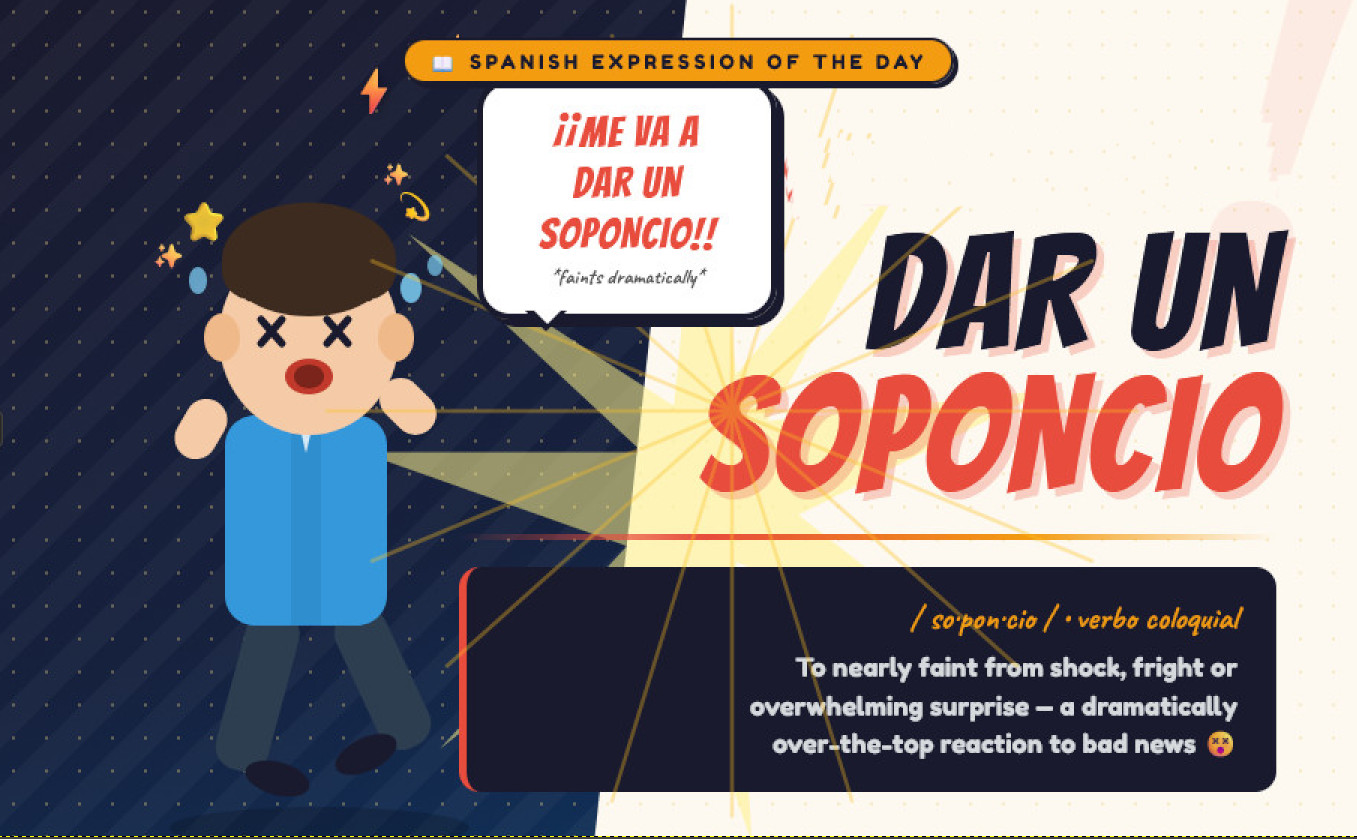
From fainting fits to “letting loose” and covering the macho’s eye Sometimes the most confusing Spanish expressions are the ones that sound “transparent” but actually mean something completely different. In this new set of ten, you’ll see fainting fits, party mode, money slang, and even a macho bull getting his eye covered. […] More
-
10 Expressions That Are Not Easy to Figure Out – Brincos Dieras

Here are ten colloquial expressions that you’ll hear on the street, in songs, and even in movies. Be careful — some of them are pejorative or rude, so it’s important to learn them for understanding, not for repeating in formal situations. Spanish Expression Literal Translation Meaning / English Equivalent Ser solo pantalla To be […] More
-
in Culture, Grammar, Spanish, Translation
The Many Faces of “Pues”: One Tiny Word, So Many Meanings

If you have ever studied Spanish and thought you were starting to understand it, a little word like pues probably appeared and ruined your confidence. Dictionaries will tell you that pues means “since,” or “because,” or “then,” or “so,” and they are not wrong — but they are not fully right either. The truth is […] More
-
Carrazo 2.0: Spanish words that end with -azo

Almost 20 years ago we posted about -azo / -aza on SpanishNY. This is the updated version. In Spanish, this ending can mean bigger/awesome, or it can mean a hit/blow with something. There isn’t a perfect one-word match in English, so the best way is to learn it by examples. “Bigger / awesome” uses Spanish […] More
-
in Grammar, Mexico, Video, Vocabulary
María Inés, a famous telenovela character

A Little Background on Mirada de Mujer Mirada de Mujer is one of those Mexican telenovelas that really changed the way people looked at the genre. It aired from 1997 to 1998 on TV Azteca and was produced by Argos Televisión. With Angélica Aragón in the role of María Inés, it became an unforgettable story. […] More
-
in Grammar, Spanish, Translation, Vocabulary
Ser and Estar: Your Essential Spanish Guide
Learning Spanish can be a wonderful and challenging task. One of the most common difficulties for students is knowing when to use the verbs Ser and Estar. Both translate to “to be” in English, but they have very different uses in Spanish. Don’t worry, by the end of this post, you’ll have a clearer idea! […] More
-
in Culture, Grammar, Spanish, Translation, Vocabulary
Madrugar — and the Beautiful Word Madrugada

In Spanish, madrugar means “to wake up very early in the morning.” At first, it sounds simple — just wake up early, right? But this word is more than a clock time. It carries a cultural feeling: starting your day before most people are even thinking about coffee. The word comes from madrugada, which is […] More

Load More
Congratulations. You've reached the end of the internet.