

September 2026
Monthly Archives
Latest stories
More stories
-
“No Matter What” in Spanish
Admin updated
A Como Dé Lugar and Other Ways to Say “No Matter What” in Spanish Some of these expressions mean “whatever it takes.” Others mean “we have no choice.” Here is how to tell the difference. You need to get home tonight. The train may not be running, and a taxi will cost more than you […] More
-
in Spanish
Grande, Grandote, and Grandecito
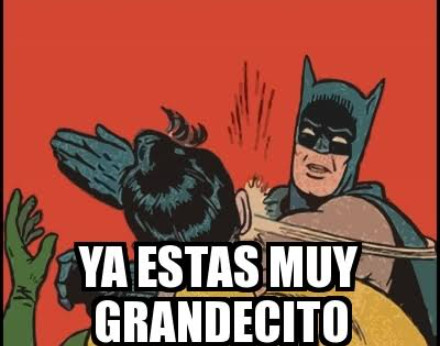
More Than Just “Big” Spanish can make grande sound bigger, softer, friendlier, or more expressive with a few small changes. Grande usually means big, large, or great. But in everyday conversation—especially in Mexico and other parts of Latin America—people often change the word: grande grandote grandecito grandísimo and more… These forms do not all mean […] More
-
in Culture, Spanish, Translation
No Hay Pero Que Valga: “No Excuses” in Spanish

Learn how Spanish speakers use no hay pero que valga, poner peros, and related expressions when excuses are not going to work. You tell someone they need to finish something today. They start with: Sí, pero es que… Yes, but it’s just that… Maybe they are about to explain why they were busy. Maybe they […] More
-
in Culture, Mexico, Vocabulary
¡Bájale Dos Rayitas!

A playful but direct Mexican expression for someone who is being arrogant, bossy, aggressive, or too intense. When someone is acting as if they are in charge of everyone, getting unnecessarily angry, talking down to people, or turning a small problem into a huge drama, you might hear: ¡Bájale dos rayitas! Literally, this means “lower […] More
-
in Culture, Mexico, Spanish, Translation
Harto in some Latin American countries
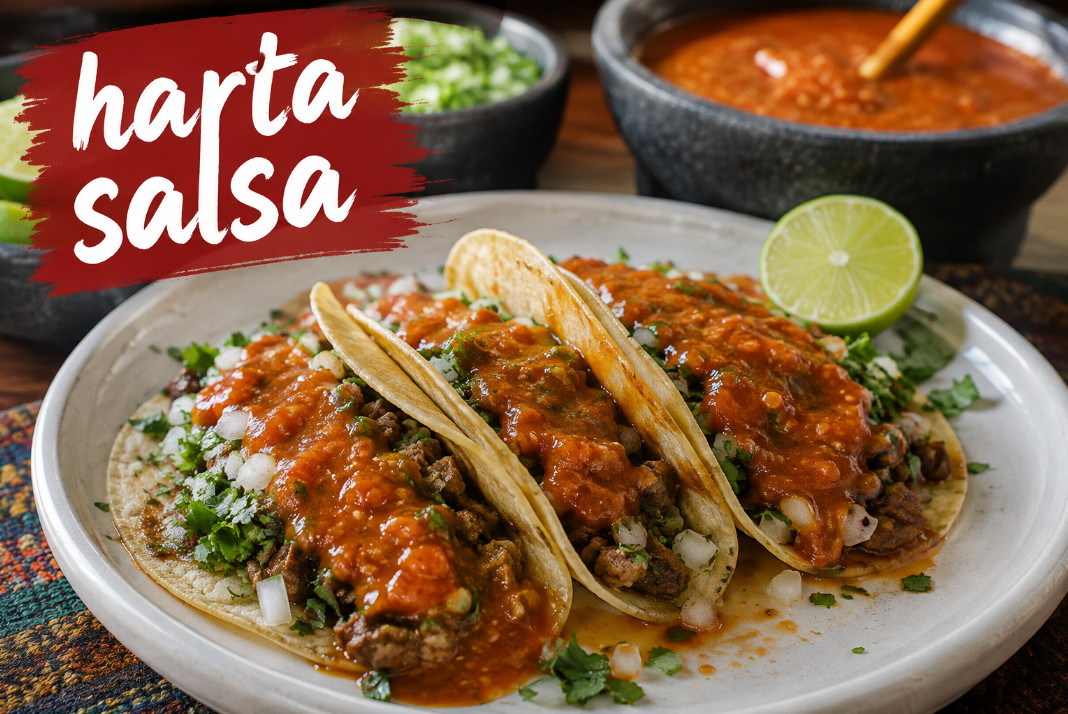
Harto in some Latin American countries: Fed Up, Full, or A Whole Lot Note: The important point is that harto is not only used in estar harto (“to be fed up”). In this regional colloquial use, it means mucho, abundante, or “more than a normal amount.” The Diccionario de americanismos records this meaning in Mexico, […] More