

Spanish expressions
Latest stories

More stories
-
in Culture, Mexico, Vocabulary
¡Bájale Dos Rayitas!
Admin updated
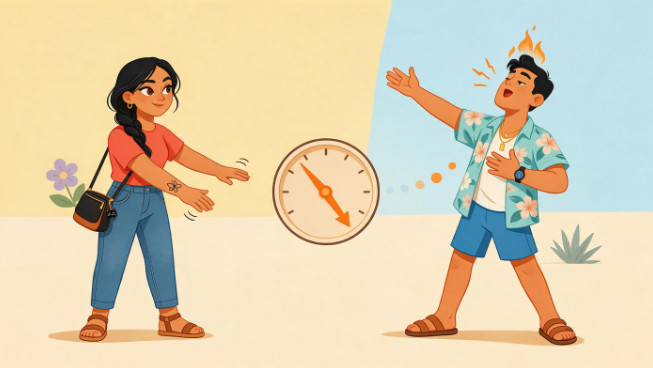
A playful but direct Mexican expression for someone who is being arrogant, bossy, aggressive, or too intense. When someone is acting as if they are in charge of everyone, getting unnecessarily angry, talking down to people, or turning a small problem into a huge drama, you might hear: ¡Bájale dos rayitas! Literally, this means “lower […] More
-
in Culture, Mexico, Spanish, Translation
Harto in some Latin American countries
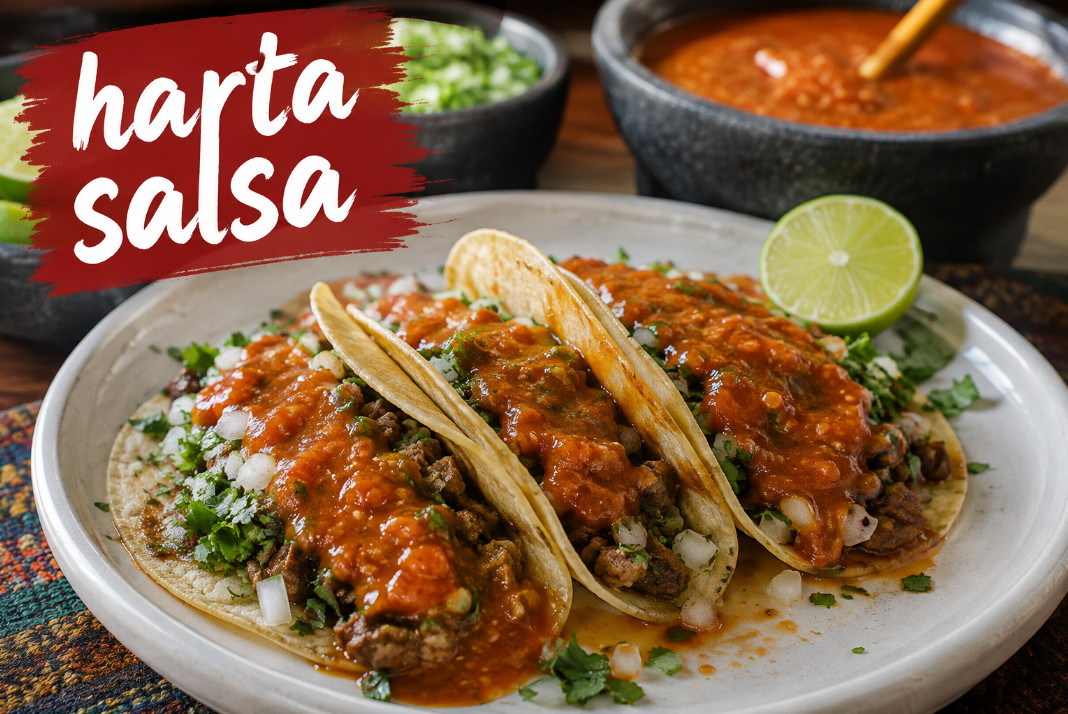
Harto in some Latin American countries: Fed Up, Full, or A Whole Lot Note: The important point is that harto is not only used in estar harto (“to be fed up”). In this regional colloquial use, it means mucho, abundante, or “more than a normal amount.” The Diccionario de americanismos records this meaning in Mexico, […] More
-
in Culture, Funny, Mexico, Spanish, Vocabulary
Chorrocientos, Chorrocientos Mil: Spanish for “A Zillion”
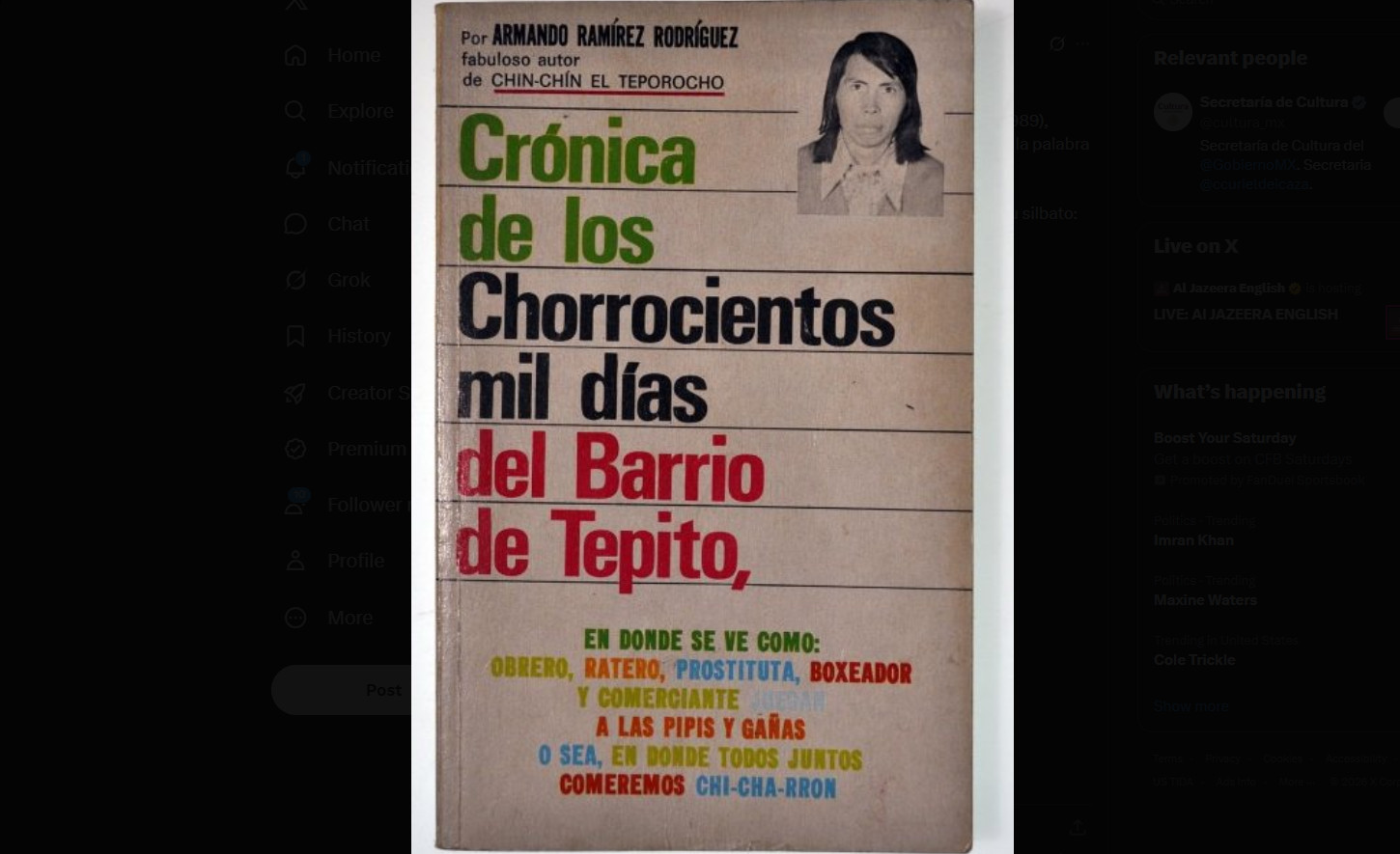
Chorrocientos, Chorrocientos Mil: Spanish for “A Zillion” A playful Mexican Spanish word for an enormous, completely made-up number. You are telling your friend about a terrible Monday. You had emails, messages, errands, work, traffic, and three people asking you the same question at once. You could say: Tenía muchísimas cosas que hacer. I had so […] More
-
in Culture, Mexico, Spanish, Vocabulary
Taquillero and Taquilla
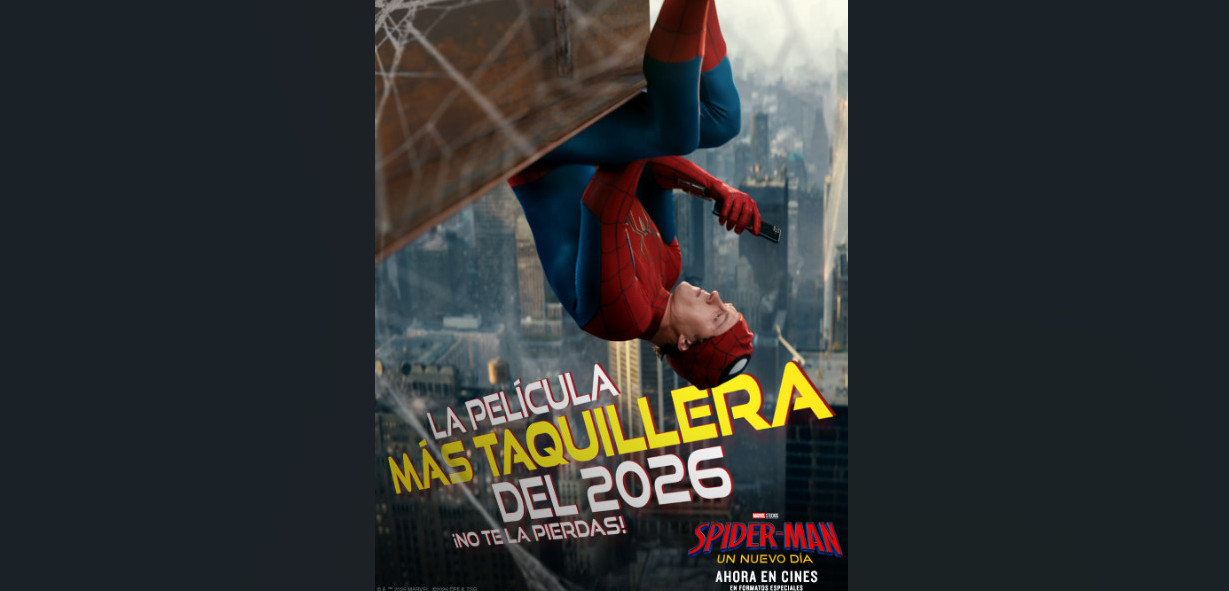
“`html Taquillero and Taquilla: Fun Spanish Words for What Draw a Crowd Learn how to use taquillero, ser taquillero, and la taquilla in everyday Spanish. You know when a movie comes out and suddenly everyone has seen it? Or when an actor is so popular that people buy a ticket just because their name appears […] More
-
in Culture, Grammar, Mexico, Spanish, Translation, Vocabulary
Igual e Igualito, and even igualititito

Igual e Igualito Why Mexican Spanish speakers say igualito (igualita, igualitos, and igualitas.) Someone shows you an old family photo and says: “Eras igualito a tu papá.” You may already know that igual means “same,” but why do people add -ito? In Mexico, people say igualito all the time when they see a strong […] More
-
in Spanish
“No se vale”: A Useful Spanish Expression for “That’s Not Fair!”
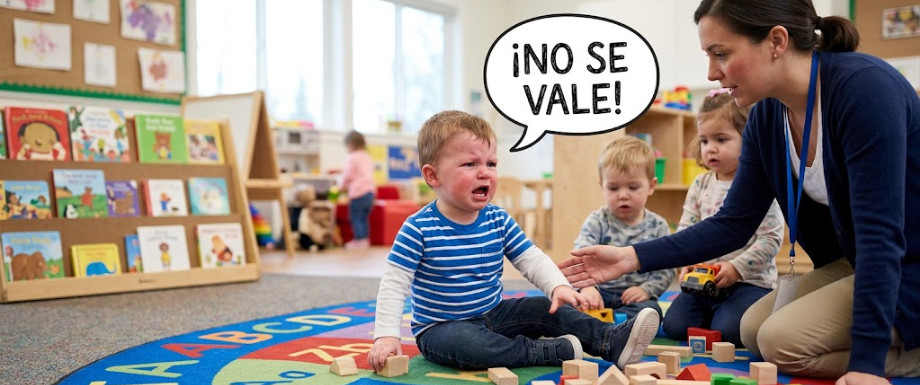
“No se vale”: A Useful Spanish Expression for “That’s Not Fair!” How to use no se vale and similar expressions in sports, school, friendships, and everyday life. Spanish speakers often say ¡No se vale! when something seems unfair, dishonest, or against the rules. Children learn it early, but adults use it too. It can sound serious, […] More
-
¡Niño malcriado y maleducado!

Spanish Words with the Prefix “mal‑” Part 2: everyday words and strong insults built with mal‑. The prefix mal‑ comes from Latin and adds the idea of “bad, wrong, poorly” to the base word. Many of these words are common and neutral in everyday Spanish, while others are very strong or even vulgar, so it […] More
-
10 mostly Mexican Spanish expressions that are hard to figure out

10 Mexican Spanish expressions that are hard to figure out These expressions are common in Mexican Spanish, and probably in other Latin American Spanish varieties but they are very hard to understand if you only translate the words one by one. In this table you can see the natural English idea, a literal meaning, and […] More
-
in Spanish
🌀 “Ya” in Spanish: One Tiny Word, Many Meanings
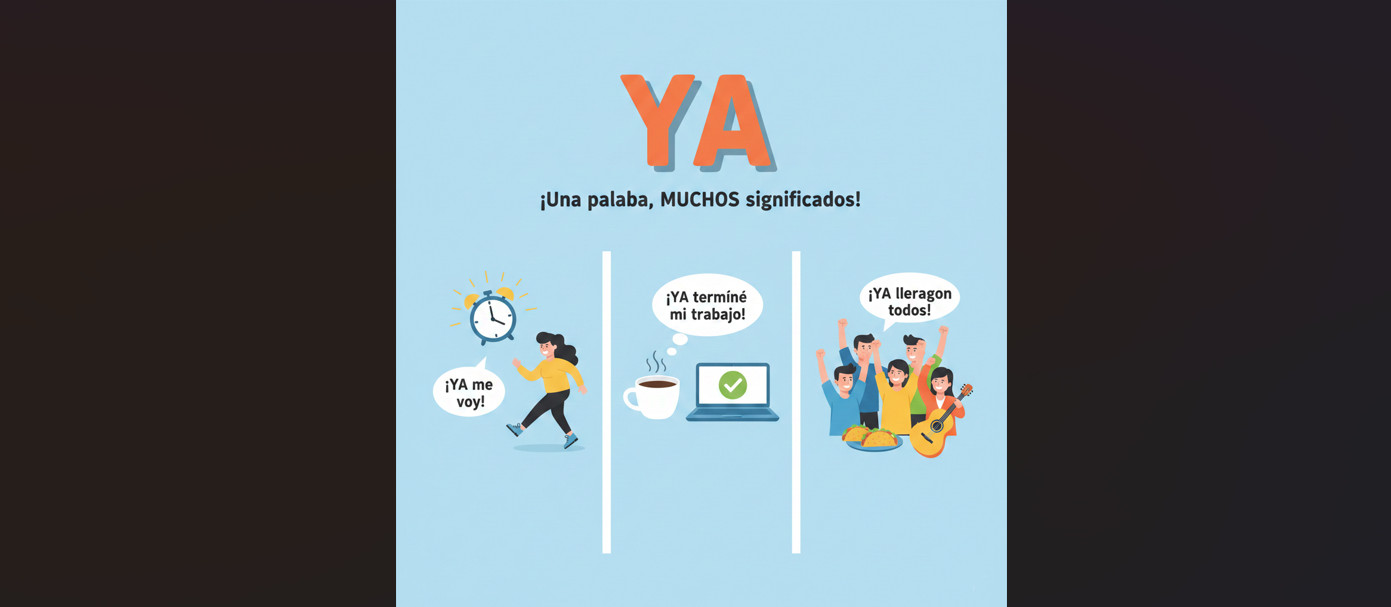
🌀 “Ya” in Spanish: One Tiny Word, Many Meanings Already, yet, now, not anymore, “I get it”… all in two letters The little word ya appears everywhere in Spanish, but it doesn’t always mean the same thing. Depending on the verb tense, the tone and the context, it can mean already, yet, now, not […] More
-
😵💫 10 More Spanish Expressions That Are Not Easy to Figure Out. Soponcio.
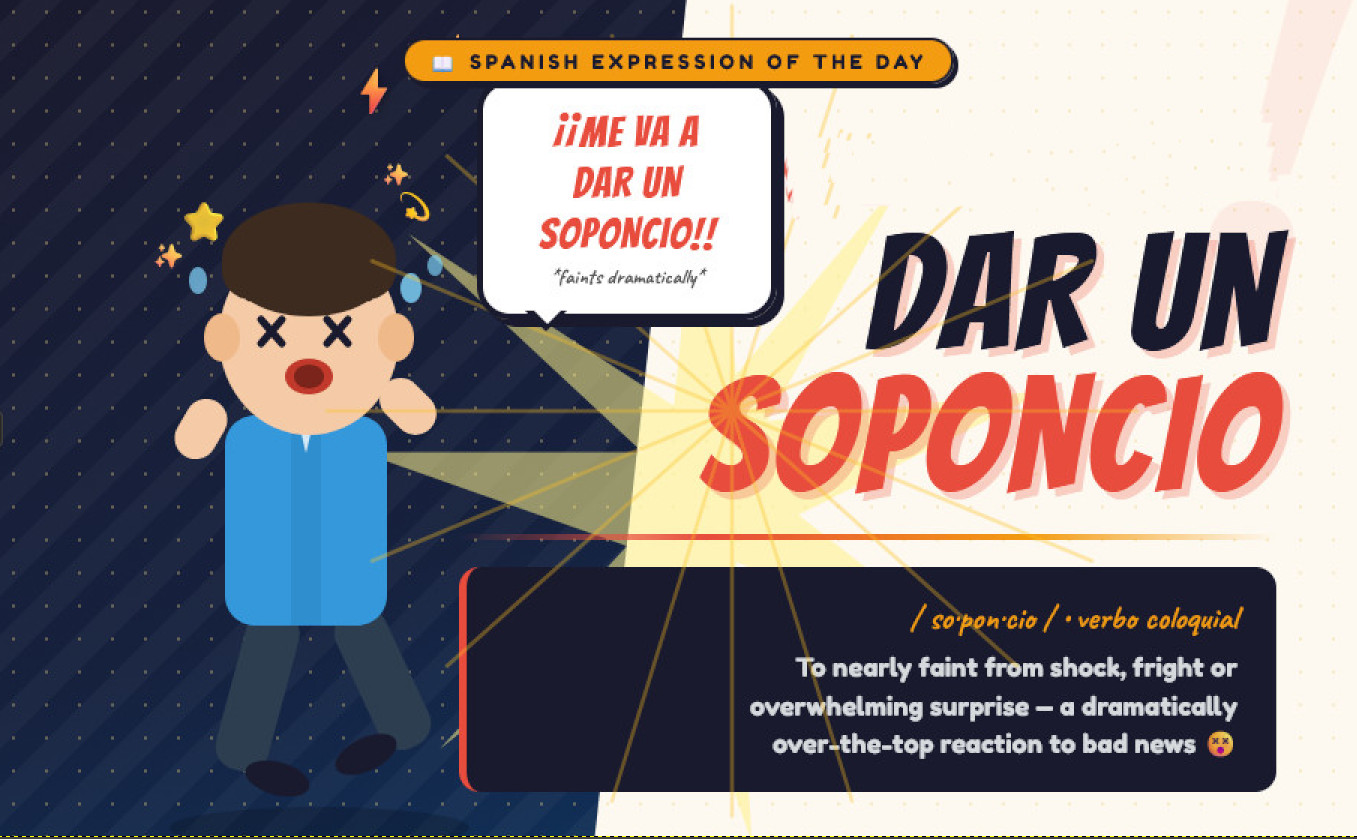
From fainting fits to “letting loose” and covering the macho’s eye Sometimes the most confusing Spanish expressions are the ones that sound “transparent” but actually mean something completely different. In this new set of ten, you’ll see fainting fits, party mode, money slang, and even a macho bull getting his eye covered. […] More
-
in Spanish
One More Year
Spanish has many verbs related to time, aging, and change. Some verbs describe physical aging, others appearance, others emotional wear, and others renewal or growth. Below are some of the most common verbs and expressions, both positive and negative. Envejecer Envejecer means to age in a general and neutral way. It can be physical, emotional, […] More
-
in Spanish
10 Spanish Expressions That Are Not So Easy to Figure Out

More expressions that confuse Spanish students Spanish expression Literal translation Real meaning in English estar amolado (Mexico) to be ground down / worn to be broke, in trouble, or in a bad situation ser maleta to be a suitcase to be bad at something, clumsy, or useless at a task chuchulucos (Mexico) little trinkets / […] More

Load More
Congratulations. You've reached the end of the internet.