

Spanish vocabulary
Latest stories


More stories
-
in Culture, Mexico, Spanish, Translation
Harto in some Latin American countries
Admin updated
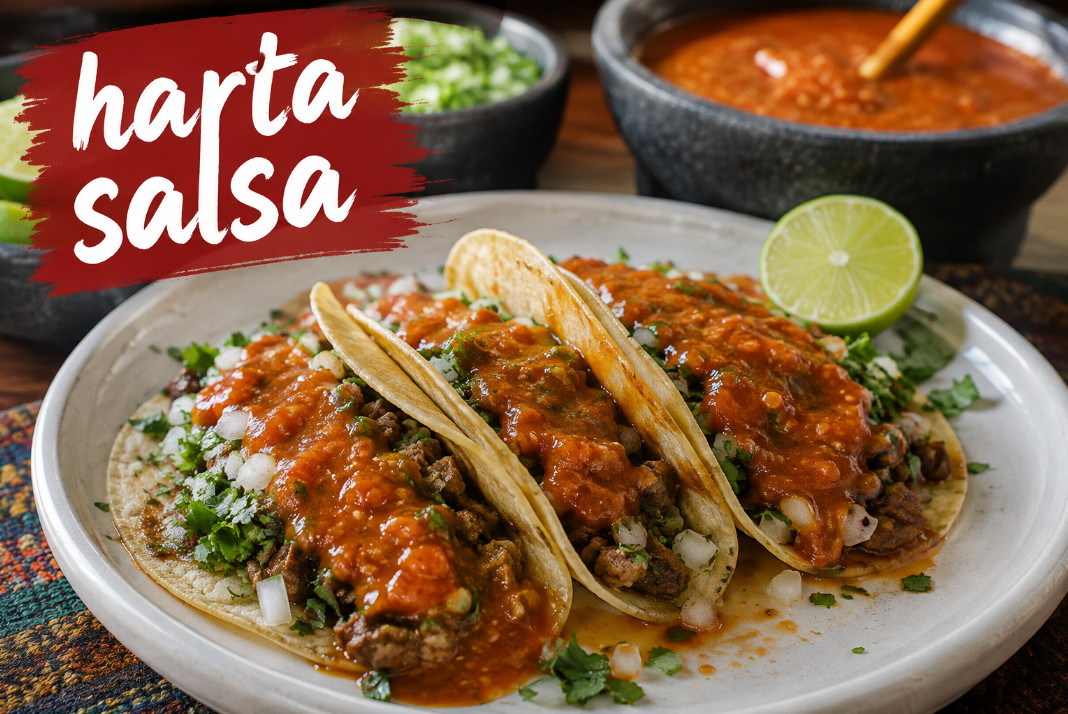
Harto in some Latin American countries: Fed Up, Full, or A Whole Lot Note: The important point is that harto is not only used in estar harto (“to be fed up”). In this regional colloquial use, it means mucho, abundante, or “more than a normal amount.” The Diccionario de americanismos records this meaning in Mexico, […] More
-
in Culture, Funny, Mexico, Spanish, Vocabulary
Chorrocientos, Chorrocientos Mil: Spanish for “A Zillion”
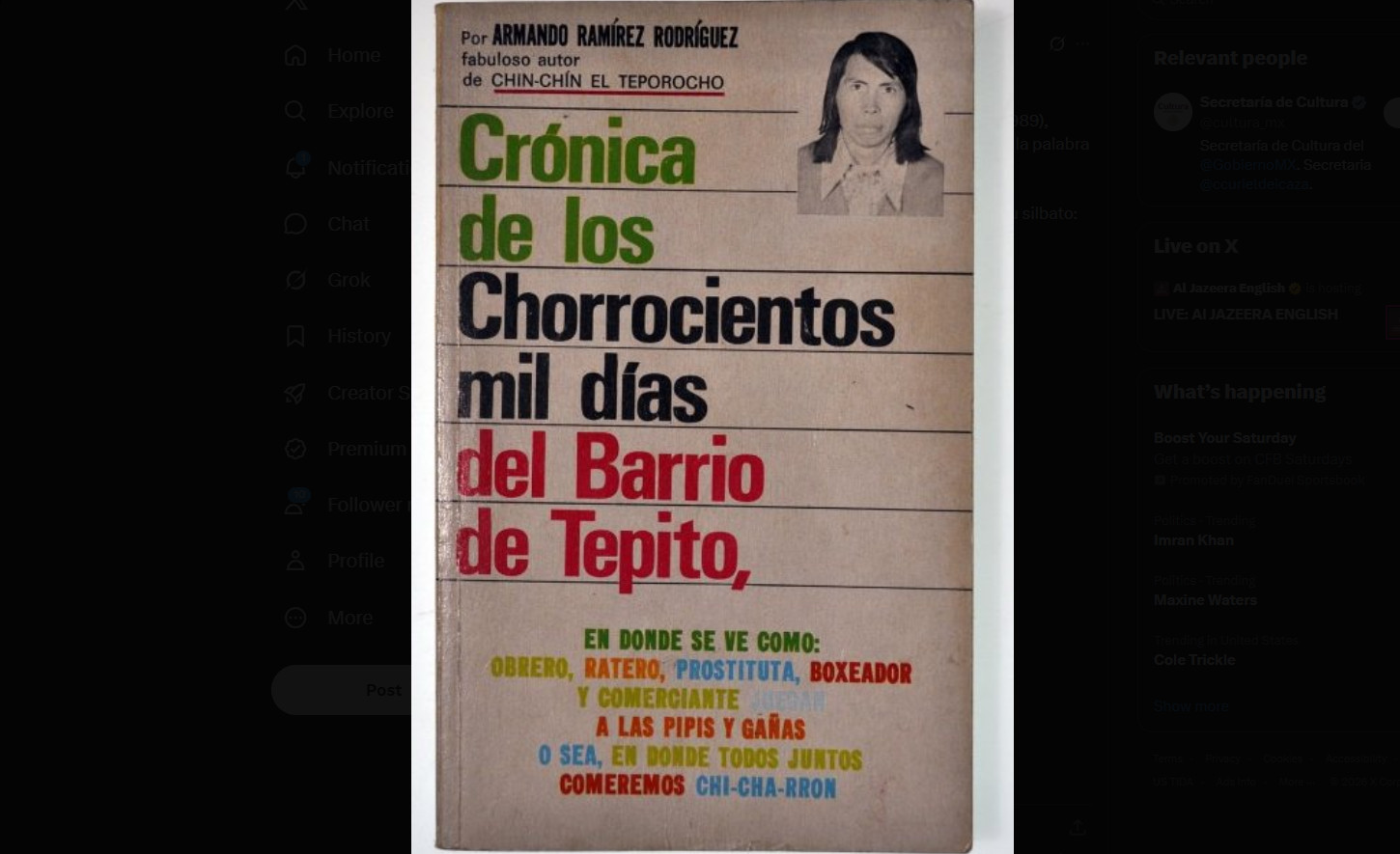
Chorrocientos, Chorrocientos Mil: Spanish for “A Zillion” A playful Mexican Spanish word for an enormous, completely made-up number. You are telling your friend about a terrible Monday. You had emails, messages, errands, work, traffic, and three people asking you the same question at once. You could say: Tenía muchísimas cosas que hacer. I had so […] More
-
in Culture, Mexico, Spanish, Vocabulary
Taquillero and Taquilla

“`html Taquillero and Taquilla: Fun Spanish Words for What Draw a Crowd Learn how to use taquillero, ser taquillero, and la taquilla in everyday Spanish. You know when a movie comes out and suddenly everyone has seen it? Or when an actor is so popular that people buy a ticket just because their name appears […] More
-
in Culture, Grammar, Mexico, Spanish, Translation, Vocabulary
Igual e Igualito, and even igualititito

Igual e Igualito Why Mexican Spanish speakers say igualito (igualita, igualitos, and igualitas.) Someone shows you an old family photo and says: “Eras igualito a tu papá.” You may already know that igual means “same,” but why do people add -ito? In Mexico, people say igualito all the time when they see a strong […] More
-
How to Say “Excuse Me” in Spanish: More Than One Useful Phrase
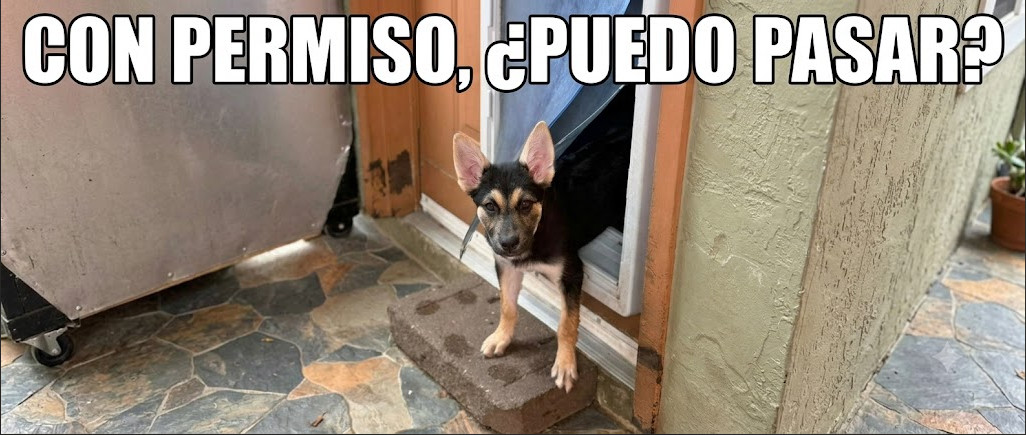
How to Say “Excuse Me” in Spanish Con permiso, perdón, disculpe, lo siento, dispense and other ways to sound polite in Spanish. English uses excuse me for many different situations: getting someone’s attention, moving through a crowd, apologizing for a small accident, asking someone to repeat something, or politely interrupting. Spanish does not rely on […] More
-
in Spanish
10 more Spanish expressions that are not easy to figure out. Dedazo.

10 More Tricky Spanish Expressions Ten common but not‑so‑obvious expressions from Spanish. Expressions that are hard to guess from the words Expression English meaning Notes / region hacerle el feo a alguien to snub someone, to treat them coldly / badly Literally “to do the ugly to someone”. It means to give someone a cold […] More
-
in Spanish
Un montón, montones, montonero: How Spanish Uses “montón” in Everyday Speech

Montón, un montón, montonal, montones, montonero and echar montón in real Spanish. Basic meaning of montón Montón literally means “pile” or “heap”: a group of things placed one on top of the other, usually without much order. From there, Spanish has extended the meaning to “a large amount” of almost anything, especially in colloquial speech. […] More
-
in Culture, Mexico, News, Spanish, Vocabulary
World Cup Spanish: Fútbol Vocabulary for Fans
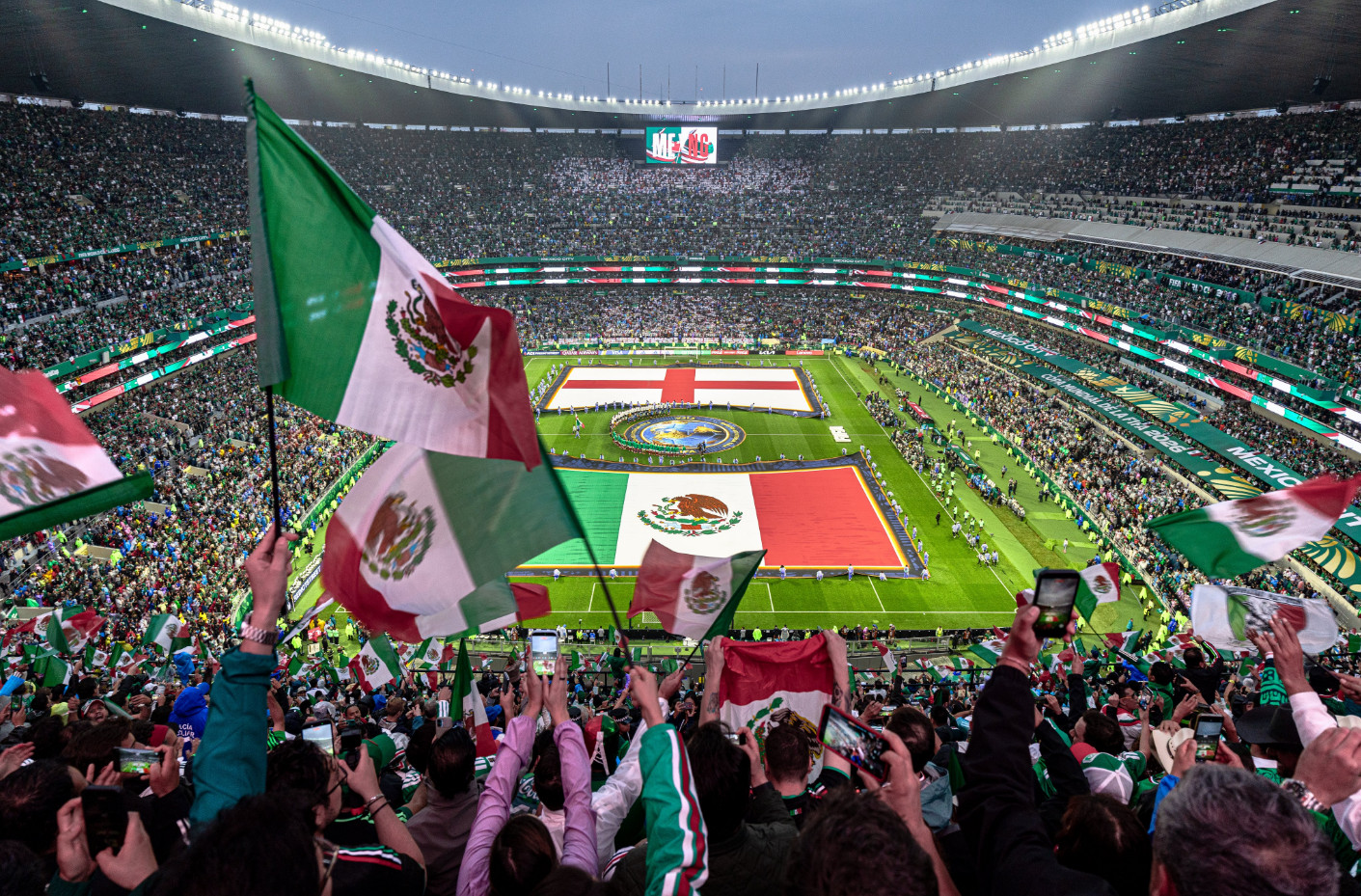
The FIFA World Cup is a perfect excuse to learn Spanish soccer vocabulary. In English you see both “football” and “soccer”; in Spanish you hear fútbol, sometimes written “futbol” in Mexico, and a long list of words that commentators and fans use during the matches. This guide puts key World Cup terms in one table, […] More
-
in Culture, Mexico, Spanish, Vocabulary
Bolsa in Spanish: Bags, Pockets, the Stock Market, and More

Spanish loves words that do many jobs. One of them is bolsa. In English, you usually need several different words – bag, purse, plastic bag, pocket, stock exchange – but in Spanish, bolsa covers a lot of that territory. It is a classic polysemic word: one form, many related meanings. In this post we […] More
-
¡Niño malcriado y maleducado!

Spanish Words with the Prefix “mal‑” Part 2: everyday words and strong insults built with mal‑. The prefix mal‑ comes from Latin and adds the idea of “bad, wrong, poorly” to the base word. Many of these words are common and neutral in everyday Spanish, while others are very strong or even vulgar, so it […] More
-
in Culture, Spanish, Translation
✨ “Estrenar”: A Spanish Verb with No Exact English counterpart

“`html ✨ “Estrenar”: A Spanish Verb with No Exact English counterpart Wearing, using or showing something for the first time… all in one word Spanish has a very special verb that English doesn’t really have: estrenar. We use it all the time, but it’s hard to translate with just one neat word in English. At […] More
-
in Spanish
Pantalón de Mezclilla. 10 More Spanish Expressions That Are Not Easy to Figure Out

Here are ten very common Spanish language expressions, many of them from Mexico. You will see their literal translation and what they really mean in natural English. Spanish expression Literal translation Colloquial English meaning pantalones de mezclilla (MX), pantalones vaqueros (España) mixed-fabric pants, denim pants jeans. In México, it’s very common to hear pantalón […] More

Load More
Congratulations. You've reached the end of the internet.