

Mexican Spanish
Latest stories
More stories
-
in Culture, Mexico, Spanish, Translation
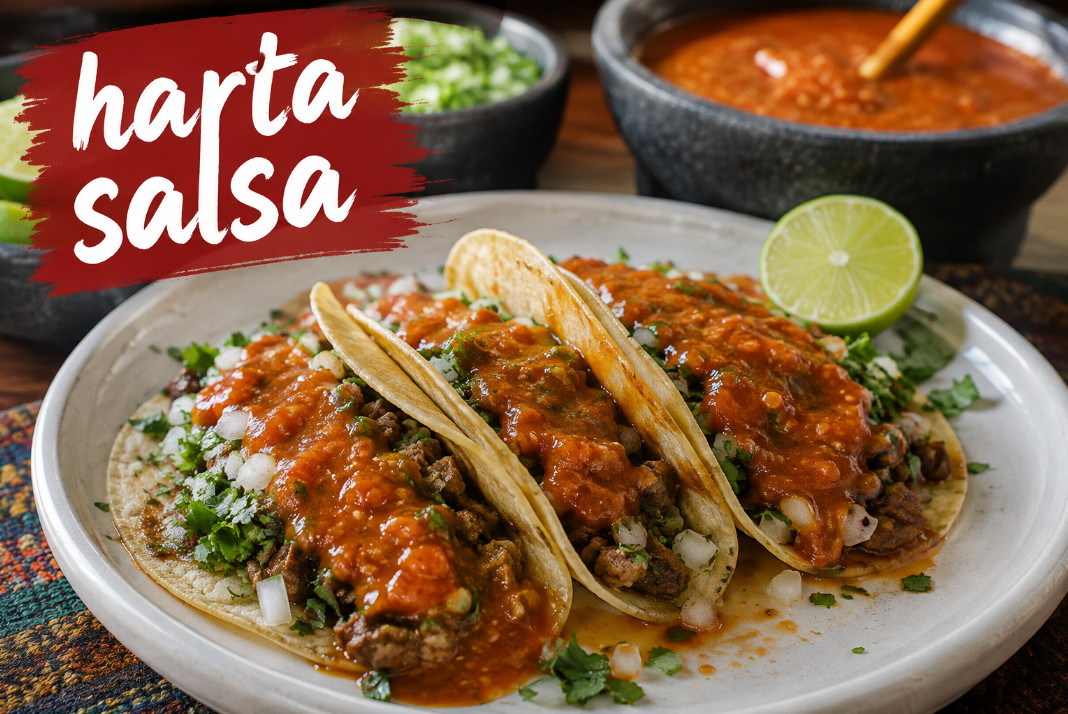
Harto in some Latin American countries
Admin updated
Harto in some Latin American countries: Fed Up, Full, or A Whole Lot Note: The important point is that harto is not only used in estar harto (“to be fed up”). In this regional colloquial use, it means mucho, abundante, or “more than a normal amount.” The Diccionario de americanismos records this meaning in Mexico, […] More
-
in Culture, Funny, Mexico, Spanish, Vocabulary
Chorrocientos, Chorrocientos Mil: Spanish for “A Zillion”
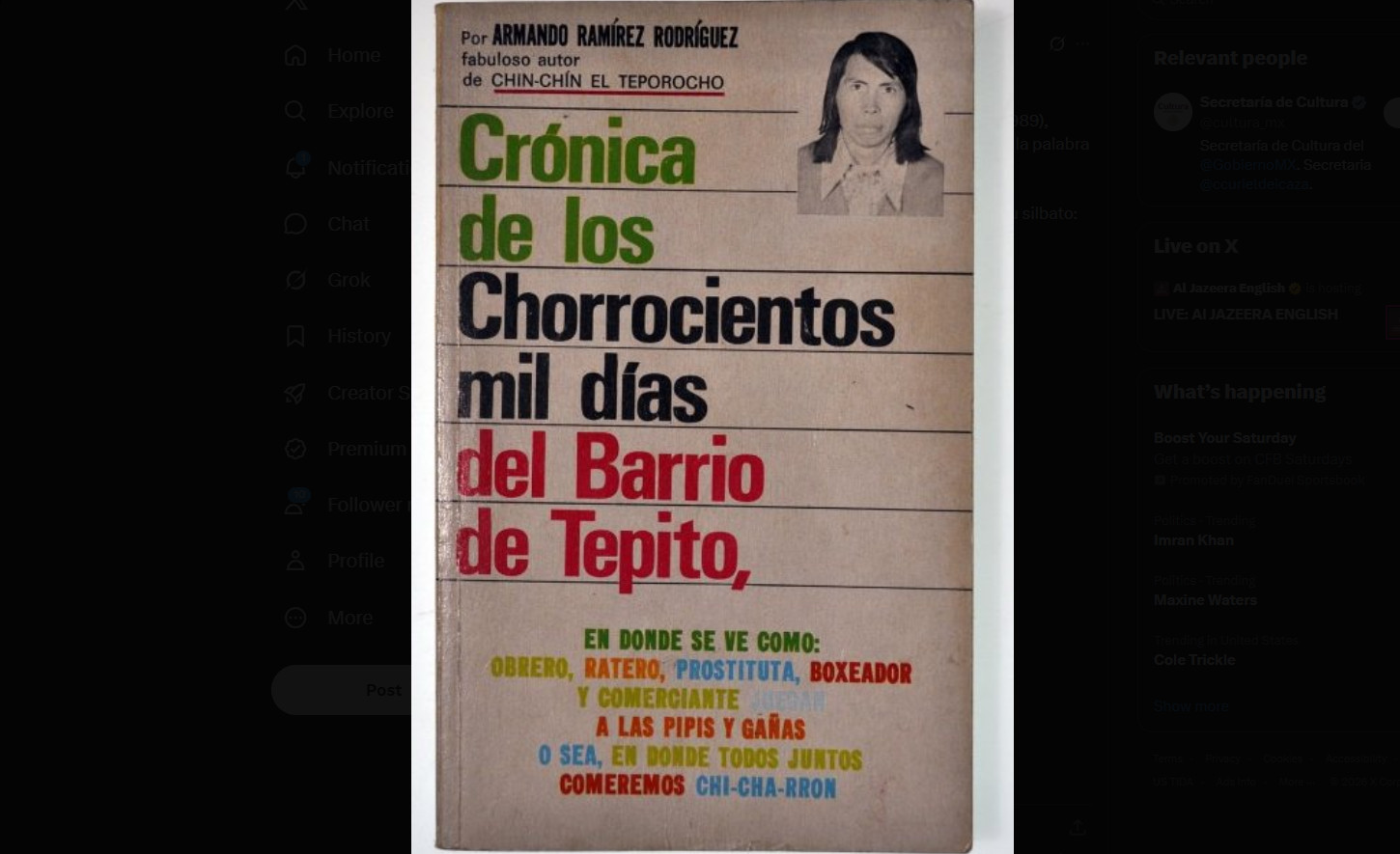
Chorrocientos, Chorrocientos Mil: Spanish for “A Zillion” A playful Mexican Spanish word for an enormous, completely made-up number. You are telling your friend about a terrible Monday. You had emails, messages, errands, work, traffic, and three people asking you the same question at once. You could say: Tenía muchísimas cosas que hacer. I had so […] More
-
in Culture, Mexico, Spanish, Vocabulary
Taquillero and Taquilla
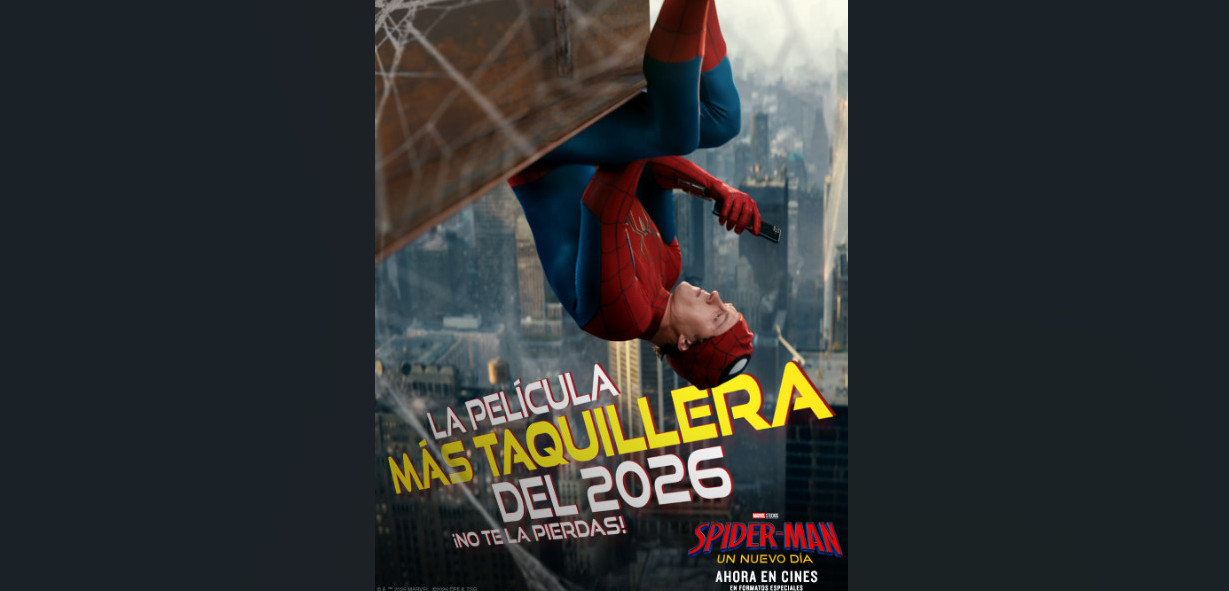
“`html Taquillero and Taquilla: Fun Spanish Words for What Draw a Crowd Learn how to use taquillero, ser taquillero, and la taquilla in everyday Spanish. You know when a movie comes out and suddenly everyone has seen it? Or when an actor is so popular that people buy a ticket just because their name appears […] More
-
in Culture, Grammar, Mexico, Spanish, Translation, Vocabulary
Igual e Igualito, and even igualititito

Igual e Igualito Why Mexican Spanish speakers say igualito (igualita, igualitos, and igualitas.) Someone shows you an old family photo and says: “Eras igualito a tu papá.” You may already know that igual means “same,” but why do people add -ito? In Mexico, people say igualito all the time when they see a strong […] More
-
in Spanish
“No se vale”: A Useful Spanish Expression for “That’s Not Fair!”

“No se vale”: A Useful Spanish Expression for “That’s Not Fair!” How to use no se vale and similar expressions in sports, school, friendships, and everyday life. Spanish speakers often say ¡No se vale! when something seems unfair, dishonest, or against the rules. Children learn it early, but adults use it too. It can sound serious, […] More
-
How to Say “Excuse Me” in Spanish: More Than One Useful Phrase
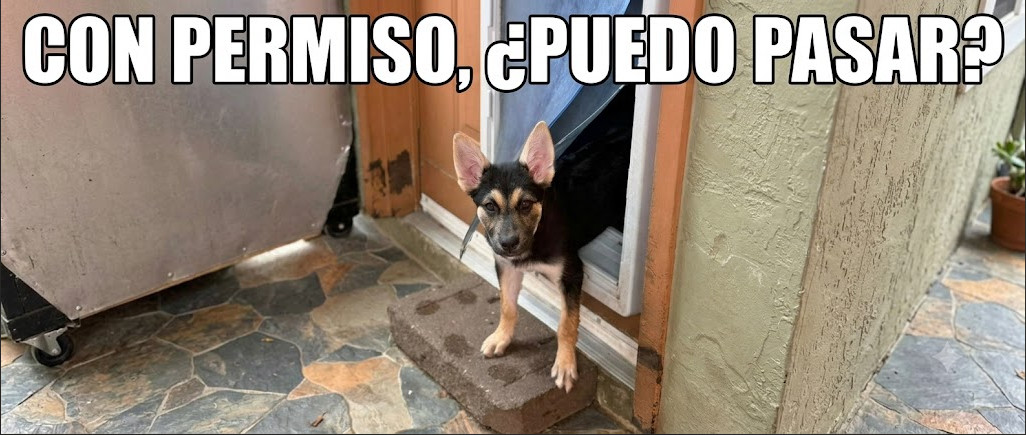
How to Say “Excuse Me” in Spanish Con permiso, perdón, disculpe, lo siento, dispense and other ways to sound polite in Spanish. English uses excuse me for many different situations: getting someone’s attention, moving through a crowd, apologizing for a small accident, asking someone to repeat something, or politely interrupting. Spanish does not rely on […] More
-
in Spanish
10 more Spanish expressions that are not easy to figure out. Dedazo.
10 More Tricky Spanish Expressions Ten common but not‑so‑obvious expressions from Spanish. Expressions that are hard to guess from the words Expression English meaning Notes / region hacerle el feo a alguien to snub someone, to treat them coldly / badly Literally “to do the ugly to someone”. It means to give someone a cold […] More
-
in Spanish
Ordinal Numbers in Spanish: Standard complicated Form and what you may hear instead

A simple guide to Spanish ordinals, common Mexican usage, and how French, Italian, and English handle the same idea. Ordinal numbers express order: first, second, third, and so on. In Spanish, the first ten are familiar, but after that the system becomes less regular and more variable in real life. The standard forms Traditional Spanish […] More
-
😵💫 10 More Spanish Expressions That Are Not Easy to Figure Out. Soponcio.
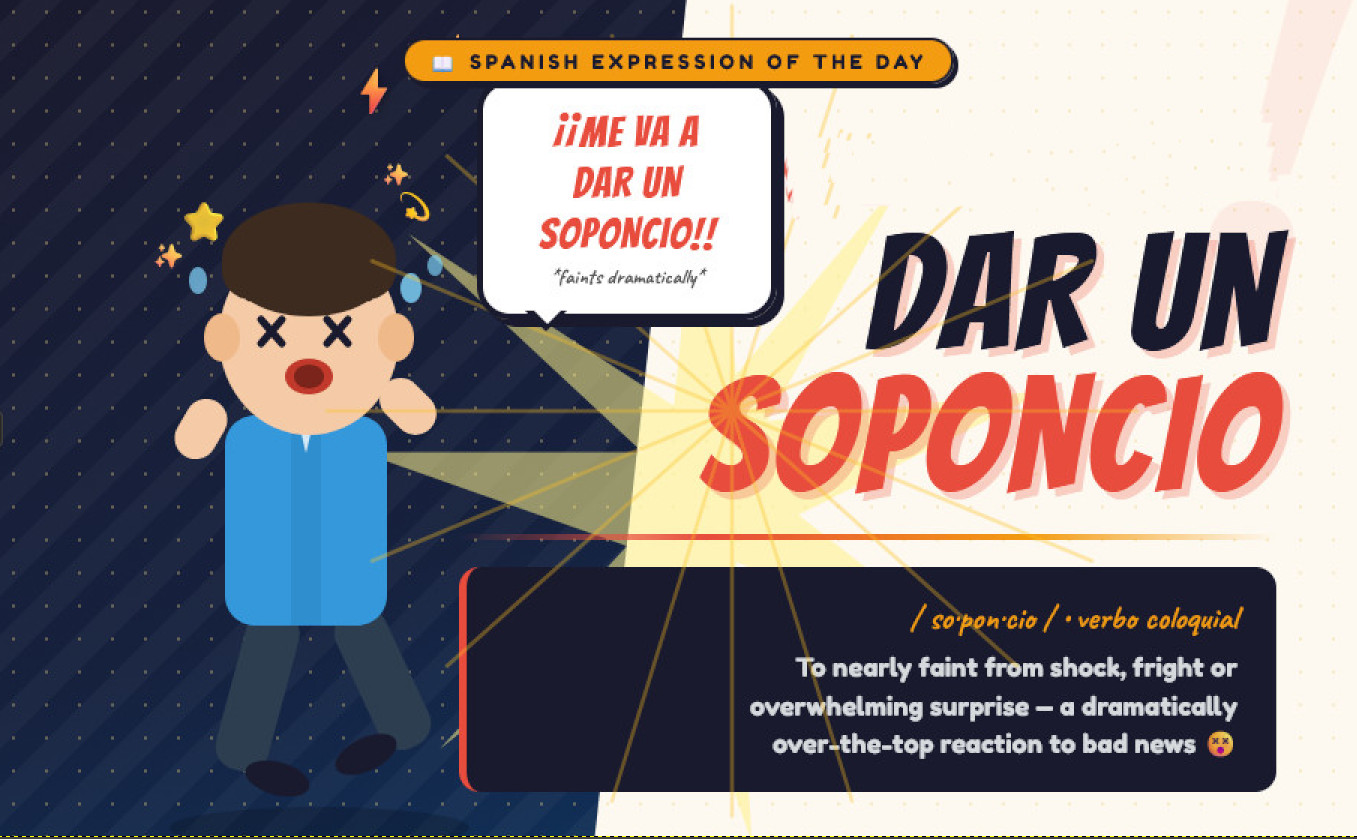
From fainting fits to “letting loose” and covering the macho’s eye Sometimes the most confusing Spanish expressions are the ones that sound “transparent” but actually mean something completely different. In this new set of ten, you’ll see fainting fits, party mode, money slang, and even a macho bull getting his eye covered. […] More
-
in Spanish
Pantalón de Mezclilla. 10 More Spanish Expressions That Are Not Easy to Figure Out

Here are ten very common Spanish language expressions, many of them from Mexico. You will see their literal translation and what they really mean in natural English. Spanish expression Literal translation Colloquial English meaning pantalones de mezclilla (MX), pantalones vaqueros (España) mixed-fabric pants, denim pants jeans. In México, it’s very common to hear pantalón […] More
-
in Spanish
One More Year
Spanish has many verbs related to time, aging, and change. Some verbs describe physical aging, others appearance, others emotional wear, and others renewal or growth. Below are some of the most common verbs and expressions, both positive and negative. Envejecer Envejecer means to age in a general and neutral way. It can be physical, emotional, […] More
-
in Spanish
Morning, Night, and Everything in Between: Mañana, Noche, Tarde… and Their Diminutives

Spanish students usually learn mañana, tarde, and noche very early. They look simple, but in real Spanish, especially in Mexico, these words change a lot with diminutives and set expressions. Mañanita, tardecita, and nochecita are not just “smaller” versions. They carry time, mood, and sometimes intention. This post tries to clarify those differences in a […] More
Load More
Congratulations. You've reached the end of the internet.