
 Admin
Admin
Spanish has many verbs related to time, aging, and change. Some verbs describe physical aging, others appearance, others emotional wear, and others renewal or growth.
Below are some of the most common verbs and expressions, both positive and negative.
Envejecer
Envejecer means to age in a general and neutral way. It can be physical, emotional, or even abstract.
People, objects, and cities can envejecer.
Example:
Todos envejecemos con el tiempo.
Madurar
Madurar means to mature. It is usually positive. People, ideas, and emotions can madurar with time.
Example:
Maduró mucho con los años.
Avejentar / Avejentarse
Avejentar means to make someone look older. It is mostly about appearance, not real age.
Haircuts, clothes, stress, or bad lighting can avejentar someone.
Example:
Ese peinado con raya de lado te avejenta.
Rejuvenecer / Rejuvenecerse
Rejuvenecer means to make younger or to look younger.
Rejuvenecerse means to feel young again.
It can be physical or emotional.
Avejentado / a
Avejentado is an adjective. It means looking older than one really is.
Desgastar / Desgastarse
Desgastar means to wear down. It can be physical, mental, or emotional.
Time, work, stress, or problems can desgastar a person.
Renacer
Renacer means to be reborn or to start again. It describes emotional renewal after a difficult period.
It is not about physical age, but about energy, attitude, and life direction.
Deteriorar / Deteriorarse
Deteriorar means to deteriorate. It is more formal and often used for health, relationships, or situations.
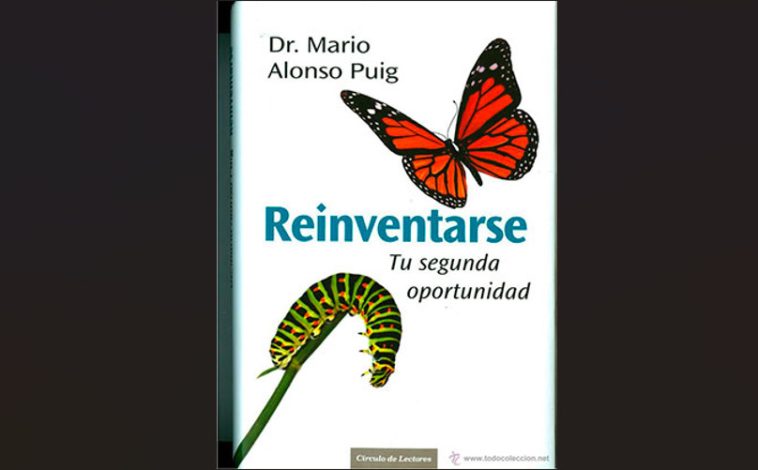
Reinventarse
Reinventarse means to reinvent oneself. It describes a conscious change over time, usually after failure, crisis, or boredom.
It is about identity, work, or life direction, not physical age. It implies action and decision, not just emotion.
Reinventarse is related to renacer, but it is more practical and less emotional.
Encanecer
Encanecer means to turn gray, usually hair. It often implies aging or stress.
La cana means white or gray hair.
Verse acabado (México)
Verse acabado / acabada is a common Mexican expression. It means to look physically and emotionally worn out.
It often suggests fatigue, illness, aging, or a hard life, sometimes all at the same time. It is similar to verse deteriorado, but more informal and expressive.
Amargarse / Amargado
Amargarse means to become bitter. It describes a slow emotional change over time, often caused by disappointment or frustration.
Amargado / amargada is the adjective.
This verb is related to emotional aging, not physical age.