

 Admin
Admin
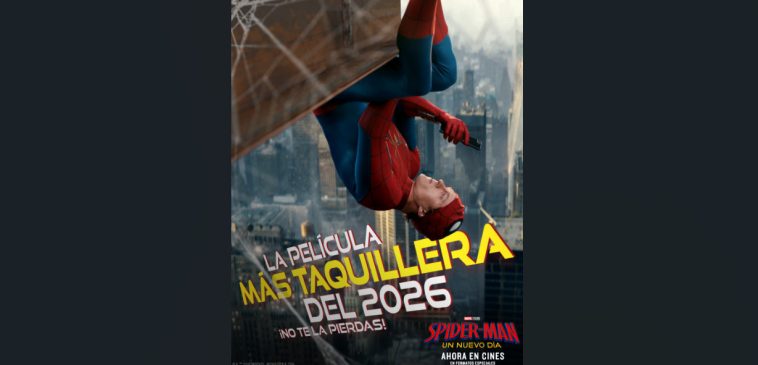
“`html
Taquillero and Taquilla: Fun Spanish Words for What Draw a Crowd
Learn how to use taquillero, ser taquillero, and la taquilla in everyday Spanish.
You know when a movie comes out and suddenly everyone has seen it? Or when an actor is so popular that people buy a ticket just because their name appears on the poster?
In Spanish, that actor, movie, show, or event can be taquillero.
It is a fun word because it comes from something very ordinary: la taquilla, the place where people buy show tickets. But when something is taquillero, we are no longer talking about the ticket window. We are talking about something that brings people in and makes money.
First: what is la taquilla?
At a cinema, theater, concert venue, or stadium, la taquilla is the box office, ticket office or ticket window.
¿Dónde está la taquilla?
Where is the ticket office?
Hay una fila enorme en la taquilla.
There is a huge line at the ticket window.
But la taquilla can also mean the money earned from ticket sales: the box office.
La película fue un éxito de taquilla.
The movie was a box-office hit.
La taquilla del fin de semana fue impresionante.
The weekend box-office numbers were impressive.
That is where taquillero comes from. If a movie, show, performer, or event sells lots of tickets, it is taquillero.
What does taquillero mean?
Taquillero describes a movie, play, concert, artist, or event that attracts a lot of paying people. It is successful because audiences want to see it, similar to sought-after.
In English, the best translation depends on the situation. It can mean box-office hit, big draw, commercially successful, bankable, or simply popular.
Esa película fue muy taquillera.
That movie was a huge box-office success.
Es uno de los actores más taquilleros del momento.
He is one of the biggest box-office draws right now.
La obra no recibió las mejores críticas, pero fue taquillera.
The play did not get the best reviews, but it sold a lot of tickets.
And that is part of the word’s personality: something can be taquillero without being everyone’s idea of high art.
A critic may say a movie is predictable. The studio may say, “Okay, but people bought tickets.” That movie is taquillera.
What does ser taquillero mean?
You will often hear ser taquillero when people talk about entertainers, especially actors, singers, comedians, or performers.
Ese cantante es muy taquillero.
That singer is a big draw.
Ella siempre ha sido taquillera.
She has always been popular enough to sell tickets.
No necesita mucha publicidad: su nombre ya es taquillero.
He does not need much publicity; his name already draws a crowd.
Calling someone taquillero does not necessarily mean that they are the most talented person in the world. It means they have audience power. People recognize them, want to see them, and are willing to pay.
It can be a compliment:
Es muy taquillera porque conecta con el público.
She is a big draw because she connects with the public.
But it can also sound a little playful or teasing:
No es mi tipo de humor, pero ese comediante es taquillero.
That comedian is not my kind of humor, but he definitely draws a crowd.
Maybe you would not buy the ticket—but plenty of other people would.
Movies, concerts, and big crowds
The most natural place to use taquillero is when talking about entertainment.
| Spanish | Natural English Meaning |
|---|---|
| una película taquillera | a box-office hit |
| una obra taquillera | a popular, ticket-selling play |
| un concierto taquillero | a concert that draws a big paying audience |
| un actor taquillero | a bankable actor; a box-office draw |
| una actriz taquillera | a bankable actress; a box-office draw |
| un evento taquillero | a crowd-pulling, commercially successful event |
Queremos una película taquillera para las vacaciones.
We want a movie that will draw big audiences during the holidays.
Trajeron a un artista taquillero para llenar el estadio.
They brought in a big-name artist to fill the stadium.
El festival fue muy taquillero este año.
The festival was a big success this year.
La serie fue popular, pero la película no fue tan taquillera.
The series was popular, but the movie did not do as well at the box office.
It can be playful, too
In casual Spanish, people sometimes use taquillero for things that are not literally about ticket sales. A topic, guest, event, or idea can be called taquillero when it is likely to attract attention, conversation, views, clicks, or a crowd.
Ese tema siempre es taquillero en las redes.
That topic always gets a lot of attention on social media.
Invitaron a una persona muy taquillera al programa.
They invited a guest who would attract lots of viewers.
This use is informal and a little playful. Nobody is necessarily selling tickets, but the image is clear: it is something people will show up for.
Taquillero does not always mean “good”
Taquillero means that something succeeds with the public, especially in a commercial way. It does not automatically mean that it is excellent, artistic, original, or sophisticated.
Taquillera, pero predecible.
A box-office hit, but predictable.
Taquillera, aunque no ganó premios.
Commercially successful, even though it did not win awards.
Poco taquillera, pero muy buena.
Not a big box-office success, but very good.
This last phrase is useful when you love a smaller movie, play, musician, or show that did not attract a huge audience.
No fue muy taquillera, pero a mí me encantó.
It was not a big commercial success, but I loved it.
Taquillero, taquillera, and the plural forms
Like many Spanish adjectives, taquillero changes to match the noun it describes.
| Form | Used With | Example |
|---|---|---|
| taquillero | One masculine noun | un actor taquillero |
| taquillera | One feminine noun | una película taquillera |
| taquilleros | Masculine plural or a mixed group | dos actores taquilleros |
| taquilleras | Feminine plural | varias películas taquilleras |
La actriz es taquillera.
The actress is a big draw.
Los artistas son taquilleros.
The artists draw big audiences.
Las comedias románticas suelen ser taquilleras.
Romantic comedies tend to be commercially successful.
Wait—can taquillero mean ticket clerk?
Yes. El taquillero or la taquillera can also be the person who sells tickets at the ticket office.
La taquillera me dio los boletos equivocados.
The ticket clerk gave me the wrong tickets.
Pregúntale al taquillero si todavía hay lugares.
Ask the ticket clerk whether there are still seats available.
This is different from una película taquillera or un cantante taquillero. Context makes the meaning clear.
If taquillero describes a movie, performer, event, or show, it means successful at attracting paying audiences. If it refers to someone working at la taquilla, it means ticket clerk.
A useful expression: éxito de taquilla
You will also hear this very common phrase:
Fue un éxito de taquilla.
It was a box-office hit.
La película se convirtió en un éxito de taquilla.
The movie became a box-office hit.
Esperan que la nueva producción sea un éxito de taquilla.
They hope the new production will be a box-office success.
Use éxito de taquilla when you are talking about a hit after it happens. Use taquillero when you are describing the kind of person, event, or project that regularly attracts crowds.
Es un actor taquillero.
He is a bankable actor.
Su última película fue un éxito de taquilla.
His latest movie was a box-office hit.
The easy way to remember it
Think of la taquilla as the place where the tickets are sold.
If there is a long line there, the movie, show, concert, or performer is probably taquillero.
And if your friend says, “No es cine de arte, pero es muy taquillera,” do not assume they are insulting the movie. They are saying it has something powerful: people want to see it.
Sometimes that is explosions. Sometimes it is romance. Sometimes it is a singer everyone loves. And sometimes it is a celebrity who shows up, says one sentence, and somehow fills the room.
“`