

 Admin
Admin
10 More Tricky Spanish Expressions
Ten common but not‑so‑obvious expressions from Spanish.
Expressions that are hard to guess from the words
| Expression | English meaning | Notes / region |
|---|---|---|
| hacerle el feo a alguien | to snub someone, to treat them coldly / badly | Literally “to do the ugly to someone”. It means to give someone a cold shoulder, ignore them, or treat them in a hurtful way. |
| a todo dar | awesome, great, first‑rate | Very common in Mexico and other countries. A person or thing that is “a todo dar” is excellent, very nice, or very fun. The literal translation is like give it all. |
| estar hasta atrás (MX) | to be completely wasted / very drunk or high | Colloquial in Mexico. “Hasta atrás” = “all the way back”, here meaning extremely intoxicated. |
| desangelado | dull, lifeless, lacking charm | “Falto de ángel (gracia)”: a place, person or situation that feels flat, without sparkle or warmth. |
| hacer la lucha / hacerle la lucha | to struggle, to make a big effort, to hustle | Popular in Mexico: to fight hard against difficulties, to try very hard to get by or achieve something. Literal is something like to do the wrestling, |
| de poca monta | of little importance, minor, insignificant | Often used for people, problems or events that are not very important or impressive. |
| hay para rato / haber para rato | this will take a while / there’s a lot left | Used when something is long or complicated and will not finish soon. “Esto lleva para rato” = “This is going to take a while. |
| válgame Dios / válgame | God help me / heavens! (expression of surprise, worry, or exasperation) | Literally “may God help me”. Often shortened to “válgame”, used as an exclamation rather than a literal prayer. |
| mandar a volar (MX) | to tell someone to get lost, to blow someone off | Colloquial and direct: to dismiss someone rudely, to reject what they say or want in a strong way. |
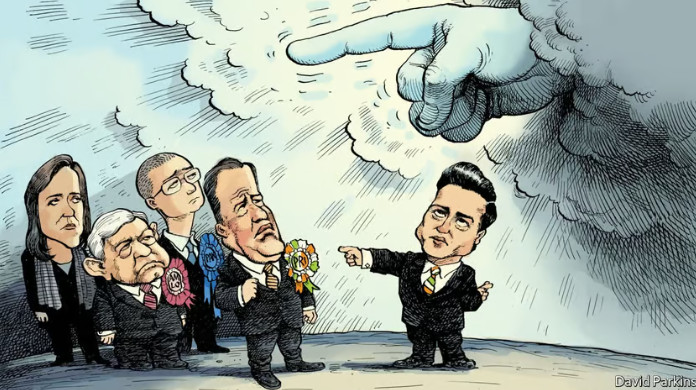
| dedazo (MX) | hand‑picking, backroom appointment (often political) | Literally “big finger”. Refers to choosing someone by simply pointing, without a fair or open process; often used in politics and organizations. |
“`