

 Admin
Admin
Why familiar words can confuse your ear even when you already know them
One of the biggest surprises for Spanish students who speak English is this: sometimes a word looks exactly the same in both languages, but it sounds completely different. Your brain says “I know this word”, but your ear hears something else. This is very common, and it is totally normal.
Spanish pronunciation is very stable. Vowels almost never change, and the stress is clear. English pronunciation is much less predictable. Vowels move, stress jumps, and letters can be silent. So when a word exists in both languages, each language applies its own sound system. That is why these words feel familiar, but still sound “wrong” at first.
Names are especially tricky. Take Simón. In Spanish it is stressed on the last syllable and the vowels are clean. In English, Simon changes everything: the stress moves and the vowels shift. The same thing happens with many everyday words like doctor, animal, or radio. They are not hard words, but they are easy to mispronounce if you mix the rules.
The table below shows common words that exist in both Spanish and English, with an approximate pronunciation to help you hear the difference. This is not perfect phonetics, just a practical guide for students.
| Word | Spanish pronunciation (approx.) | English pronunciation (approx.) | Comment |
|---|---|---|---|
| Simón | see-MÓN | SÁI-mon | Same spelling, totally different stress |
| Doctor | dok-TÓR | DÁK-tor | Stress and vowels change |
| Pegaso | pe-GÁ-so | PÉ-ga-sas (pegasus) | Mythology word, stress shifts |
| Venus | BÉ-nus | VÍ-nis | Short vs long vowel |
| Supermán | su-per-MÁN | SÚ-per-man | Stress moves to the first syllable |
| animal | a-ni-MAL | Á-ni-mal | Same spelling, different stress, the L is different |
| peculiar | pe-koo-li-AR | pe-KYU-li-ar | Same spelling; the “cu” in Spanish almost always betrays students. |
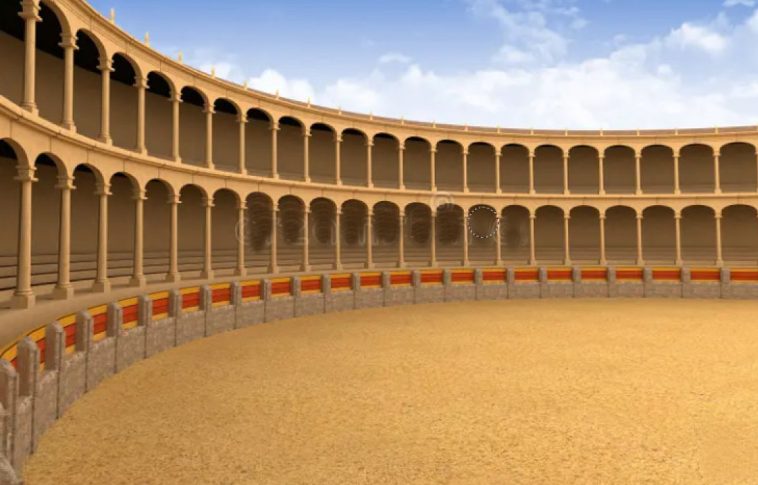
| arena | a-RE-na | a-RI-na | Same spelling, different pronunciation. R is very different here. Arena in Spanish means sand. Arena is also a venue, like a bullring with sand on it. |
| radio | RÁ-dio | RÉI-dio | different pronunciation |
| hotel | o-TÉL | ho-TÉL | the H is silent in Spanish |
| actor | ak-TÓR | ÁK-tor | exact same look, different stress |
| color | ko-LÓR | KÁ-ler | same look, different pronunciation |
| motor | mo-TÓR | MÓU-ter | same look, different pronunciation |
| carbón | kar-BÓN | KÁR-bon | same look, different stress |
| hospital | os-pi-TÁL | HÓS-pi-tl | H is silent, plus different stress |
| David | da-VÍD | DÉI-vid | Spanish final stress vs English diphthong |
| Daniel | da-ni-ÉL | DÁ-niel | Stress moves forward |
| Gabriel | ga-bri-ÉL | GÉI-bri-el | Very common learner mistake |
| Laura | LÁu-ra | LÓ-ra | Diphthong vs long vowel |
| Chocolate | cho-ko-LÁ-te | CHÓ-ko-lit | Ending completely different |
| Internet | in-ter-NÉT | Ín-ter-net | Stress shifts to the beginning |
What is important here is to understand the idea. Spanish keeps its vowels short and clear. English stretches them, reduces them, or changes them completely. Spanish usually stresses the last or second-to-last syllable. English stress can move anywhere.
Once you become aware of this, pronunciation improves a lot. When you see a familiar word, stop for a second and ask yourself: “Which language rules am I using right now?” That small pause makes a big difference.