

 Admin
Admin
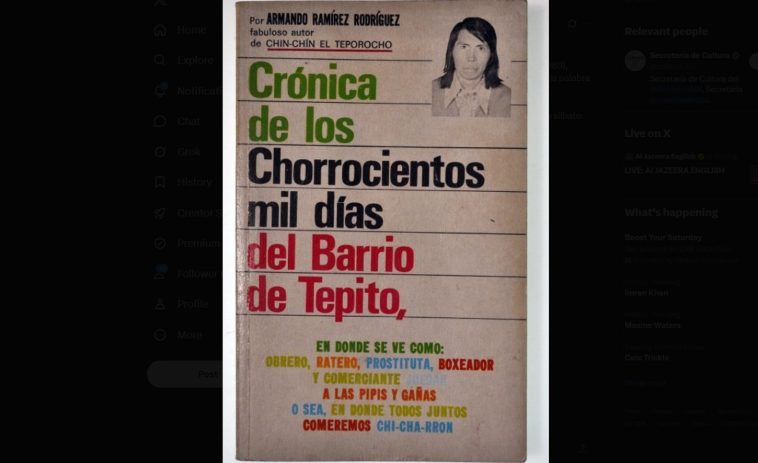
Chorrocientos, Chorrocientos Mil: Spanish for “A Zillion”
A playful Mexican Spanish word for an enormous, completely made-up number.
You are telling your friend about a terrible Monday. You had emails, messages, errands, work, traffic, and three people asking you the same question at once.
You could say:
Tenía muchísimas cosas que hacer.
I had so many things to do.
But a more playful option is:
Tenía chorrocientas cosas que hacer.
I had a zillion things to do.
Chorrocientos is not a real number. Nobody can count to chorrocientos, and nobody expects you to. It is an informal way to say that there were a lot of something: way too many messages, too many people, too many problems, too many things to buy, or too many reasons not to leave the house.
What does chorrocientos mean?
Chorrocientos means “a whole lot,” “umpteen,” “countless,” or “a zillion.” It is an exaggerated, imaginary number used for comic effect.
Think of English expressions such as:
- a zillion
- a gazillion
- umpteen
- like a million
- way too many
It is especially common in Mexico. The Diccionario de la lengua española labels it colloquial in both countries, while the Diccionario de americanismos also records it in Guatemala, El Salvador, Costa Rica, Ecuador, and Chile, particularly in youthful and playful speech. [264][265]
Me mandó chorrocientos mensajes.
He sent me a zillion messages.
Hay chorrocientas personas en la fila.
There are a million people in line.
Te lo he dicho chorrocientas veces.
I have told you a million times.
Of course, maybe you told them twice. But that is not the point.
Where does it come from?
The word sounds like a number because it borrows the ending from real numbers such as doscientos, trescientos, and cuatrocientos.
But the beginning comes from chorro. In several Spanish speaking regions, un chorro (de) can mean “a lot” or “a whole bunch.” Put that idea together with -cientos (hundreds), and you get an invented number that sounds big before you even know exactly what it means.
chorro + -cientos = chorrocientos
It is the kind of word people might say jokingly and almost nobody would use in a bank, a legal document, or a serious business report.
Tuve chorrocientas llamadas hoy. is perfect when you get home and want everyone to understand that your day was a lot.
Is it a real number?
No. Chorrocientos is deliberately vague.
It does not mean 400. It does not mean 4,000. It does not even mean exactly 400,000. It simply means that the amount feels enormous to the person speaking.
| Spanish | What It Really Means |
|---|---|
| Había chorrocientas personas. | There were a lot of people. |
| Tengo chorrocientas tareas. | I have way too much homework. |
| Ya vi esa película chorrocientas veces. | I have seen that movie countless times. |
| Hay chorrocientas opciones. | There are tons of options. |
The exact quantity is not important. The feeling is: more than I want to deal with.
Chorrocientos, chorrocientas, and agreement
Because it behaves like a number ending in -cientos, the word changes depending on the gender of the noun that follows it.
| Form | Used Before | Example | English |
|---|---|---|---|
| chorrocientos | Masculine plural nouns | chorrocientos correos | a zillion emails |
| chorrocientas | Feminine plural nouns | chorrocientas llamadas | a zillion phone calls |
Había chorrocientos carros en la calle.
There were tons of cars on the street.
Tenía chorrocientas preguntas.
I had a million questions.
Vi chorrocientos videos antes de decidirme.
I watched a zillion videos before deciding.
Hay chorrocientas formas de decirlo.
There are countless ways to say it.
What about chorrocientos mil?
Now we can make the imaginary number even bigger.
Chorrocientos mil is an exaggerated way to say “hundreds of thousands,” “a huge number,” or “a gazillion.” It follows the pattern of real numbers such as doscientos mil or quinientos mil, but it is not meant to be taken literally.
Había chorrocientos mil personas en el concierto.
There were, like, a gazillion people at the concert.
Tengo chorrocientos mil pendientes.
I have a ridiculous number of things to do.
Te lo dije chorrocientas mil veces.
I told you a zillion times.
You use chorrocientos mil when plain chorrocientos still does not feel dramatic enough. It is for the days when you do not have a lot of emails—you have an impossible, never-ending mountain of emails.
Me quedan chorrocientos mil cosas por hacer.
I still have a million things left to do.
Everyday places you can use it
Chorrocientos works best in relaxed conversations, texts, family chats, social media posts, and friendly complaints.
Here are some situations where it sounds natural:
Trabajo y pendientes
Tengo chorrocientos pendientes antes de salir de vacaciones.
I have a zillion things to take care of before going on vacation.
El jefe mandó chorrocientos correos/emails esta mañana.
The boss sent a zillion emails this morning.
Tráfico y filas
Había chorrocientos carros y no avanzábamos nada.
There were tons of cars, and we were not moving at all.
En la taquilla había chorrocientas personas.
There were a million people at the ticket office.
Familia, friends, and messages
Mi mamá me llamó chorrocientas veces.
My mom called me a million times.
El gerente tiene chorrocientos mensajes sin leer.
The manager has a zillion unread messages.
Compras and choices
Probé chorrocientas camisas y no me gustó ninguna.
I tried on a million shirts and did not like any of them.
Hay chorrocientas marcas de café. ¿Cuál compro?
There are a zillion coffee brands. Which one should I buy?
Stories and exaggeration
No compré ese reloj porque costaba chorrocientos mil pesos.
I didn’t buy that watch because it was a zillion pesos.
Cuando llegamos, ya habían pasado chorrocientas cosas.
By the time we got there, a million things had already happened.
Where will you hear it?
Chorrocientos is strongly associated with Mexican Spanish. It is also recorded in El Salvador, Guatemala, Costa Rica, Ecuador, and Chile, although how often people use it can vary by country, city, age group, and family.
In Spain, you are more likely to hear tropecientos, another funny made-up number with the same general idea: far too many. The RAE specifically defines chorrocientos as colloquial in Mexico and El Salvador and connects it with tropecientos. [264]
That means you do not need to use it everywhere in the Spanish-speaking world. But if you hear it in Mexico, do not start looking for a calculator. The speaker is simply being dramatic—and probably has a very full inbox.
A quick tone check
Chorrocientos is playful, informal, and exaggerated. It is great for conversation, but not for situations where the exact number matters.
| Great for | Not great for |
|---|---|
| Texting a friend | A work invoice |
| Complaining about homework | A tax form |
| Telling a funny story | A medical report |
| Talking about too many unread messages | Giving someone directions to an exact address |
If the real number matters, use the real number.
If you want to complain, exaggerate, make someone laugh, or explain that your day was completely out of control, use chorrocientos.
The easy way to remember it
Chorrocientos is for an amount that feels too big to count.
It is not a number you can put in a spreadsheet. It is a number you say when your phone has 347 unread messages, your kitchen has 18 dirty dishes, and your friend asks, “How many things do you still need to do?”
Chorrocientas.
And if 347 messages somehow becomes 2,000 by lunchtime?
Chorrocientos mil.
“`