

 Admin
Admin
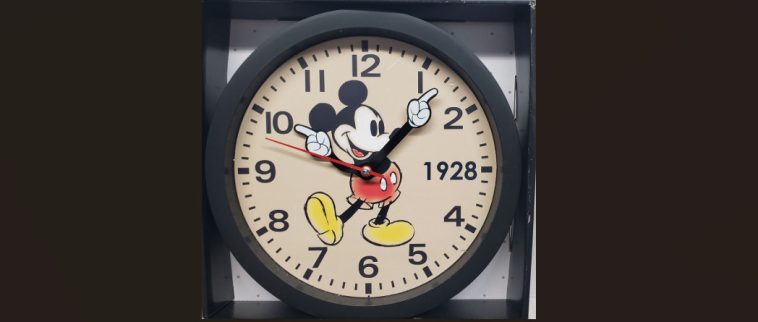
One of the things that sometimes confuses Spanish students is when a word looks like a diminutive, but it does not really mean “small”. In English, when something gets smaller, we usually add an adjective like small or little. In Spanish, the language often changes the word itself. Sometimes that change is affectionate or about size, but many times it creates a completely new object with a new meaning.
This is why words like colilla, gatillo or manecilla are interesting. They look like diminutives, but they are not simply “small tails”, “small cats” or “small hands”. They name very specific things, and Spanish speakers use them without thinking about the original word anymore.
The base word names something general, and the derived word names a part, a tool, or something related, not necessarily smaller. Once you start seeing this pattern, your vocabulary grows very fast.
Below you will find a table with common examples. The literal translation helps you see where the word comes from, but the colloquial English meaning is what really matters in daily life.
| Spanish word | Literal translation | English meaning |
|---|---|---|
| cola | tail | tail, line, glue, queue (context matters) |
| colilla | little tail | cigarette butt |
| gato | cat | cat, car jack |
| gatillo | little cat | (arm) trigger |
| mano | hand | hand |
| manecilla | little hand | clock hand |
| boca | mouth | mouth |
| boquilla | little mouth | mouthpiece, nozzle |
| cabeza | head | head |
| cabecilla | little head | ringleader |
| ojo | eye | eye |
| ojillo, ojal | little eye | eyelet, small hole |
| pata | foot, leg | foot |
| patilla | little leg | sideburn |
| pluma | feather | pen (Latin America) |
| plumilla | little feather | pen nib |
| punta | point | tip |
| puntilla | little point | decorative trim, small nail, tiptoe (many meanings) |
| hoja | leaf | leaf, sheet of paper |
| hojilla | little leaf | razor blade |
| brazo | arm | arm |
| brazalete | little arm | bracelet |
| lengua | tongue | tongue, language |
| lengüeta | little tongue | tab, flap, shoe tongue |
As you can see, these words are not childish or informal. They are normal, everyday vocabulary. Native speakers do not think of gatillo as a “small cat” anymore. For them, it is simply a trigger. The same happens with colilla or manecilla. The original image is there historically, but in modern Spanish, the meaning is fixed.