

 Admin
Admin
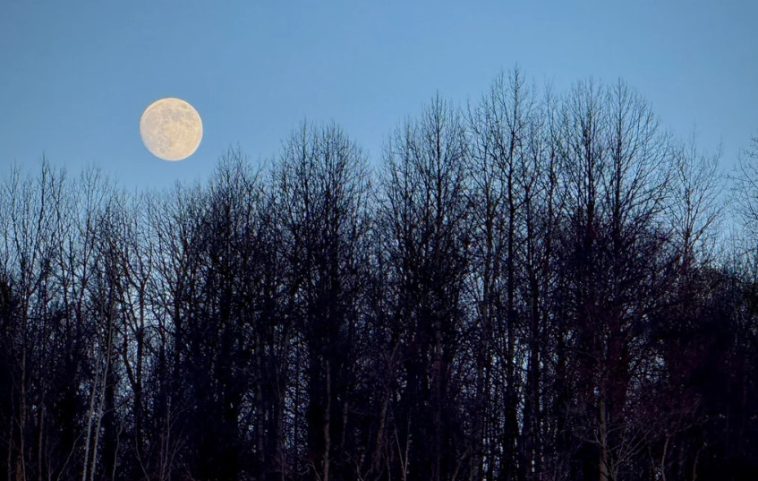
Spanish students usually learn mañana, tarde, and noche very early. They look simple, but in real Spanish, especially in Mexico, these words change a lot with diminutives and set expressions. Mañanita, tardecita, and nochecita are not just “smaller” versions. They carry time, mood, and sometimes intention. This post tries to clarify those differences in a practical way.
In general, Spanish divides the day differently than English. Mañana goes from early morning until around noon. Tarde starts after mediodía and goes until sunset or early evening. Noche starts when it gets dark. But then come the gray areas, and that is where students get confused.
Below is a table with the most common terms, their basic meaning, and how they are actually used.
| Spanish word or expression | Approximate meaning in English | How it is really used |
|---|---|---|
| la mañana | morning | From early morning until around noon |
| mañana por la mañana / mañana en la mañana | tomorrow morning | Mañana means both, tomorrow (adverb) and morning (noun). |
| mañanita | early morning | Very early morning; 11 a.m. is not mañanita |
| en la mañanita | early in the morning | Often used for something that happens at dawn |
| la tarde | afternoon | After noon, before night |
| la tardecita | late afternoon / early evening | Soft, friendly, often around sunset. Probably evening (sera in Italian). There isn’t a real word for evening in Spanish. |
| la noche | night | After dark |
| nochecita | early night | The beginning of the night, not late night. Evening maybe. |
| muy tarde por la noche | very late at night | Not: afternoon at night. Tarde here means late. |
| muy entrada la noche | very late at night | When the night is already advanced |
| muy noche, muy de noche | very late at night | Towards midnight |
| el mediodía | noon | Around 12:00 p.m. |
| la medianoche | midnight | Exactly or very close to 12:00 a.m. Las doce de la noche. |
| la madrugada | very early morning hours | After midnight, before sunrise. Probably notte fonda in Italian. |
One important detail is mañanita. Many English speakers think it just means “small morning” or any morning said nicely. In reality, mañanita strongly suggests early. If someone says nos vemos en la mañanita, they do not mean 10 or 11 a.m. It usually means around sunrise or shortly after. This is why Las Mañanitas (the birthday song) are traditionally sung very early.
Nochecita works in a similar but opposite way. It does not mean “late night.” It means the start of the night, when it just got dark. Saying vente en la nochecita sounds softer and more inviting than vente en la noche. It feels calmer, less intense.
Tardecita is also common and very Mexican. It often describes that pleasant moment when the sun is going down. It is vague on purpose. Spanish uses these diminutives to soften time, not to measure it.
Madrugada deserves special attention. English does not really have a clean equivalent. It is not “night” and not “morning.” It is that stretch between midnight and sunrise. Saying llegó en la madrugada usually implies very late and probably very tired.
Spanish is flexible with time words. People are not giving you a clock reading, they are giving you a feeling of the moment. Learning these nuances helps students sound more natural and understand why mañanita at 11 a.m. sounds wrong to a native speaker.