
 Admin
Admin
Why some Spanish speakers imagine a giant city block when they hear the nickname of New York City
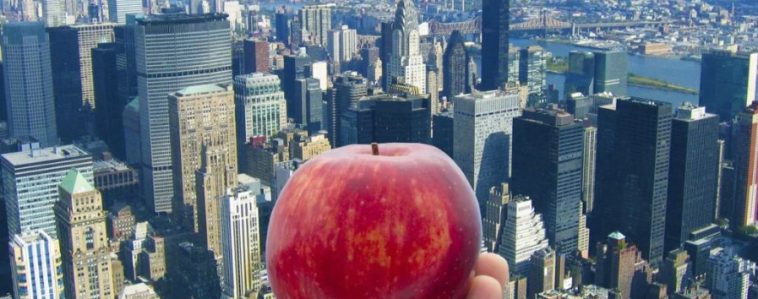
New York City is famously known as the Big Apple. Most English speakers grow up hearing that name and rarely stop to think about it. It is just a nickname. But when this expression is translated into Spanish as La Gran Manzana, something very interesting happens.
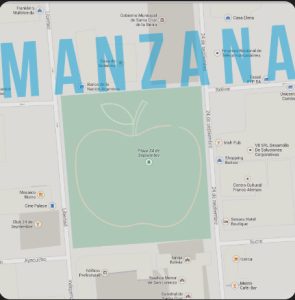
In Spanish, manzana does not only mean apple. It also means a city block, a block of streets surrounded by four sides. This is a very common word in everyday Spanish. People say things like vivo a dos manzanas de aquí or la tienda está en la siguiente manzana. So when Spanish speakers hear La Gran Manzana, many of them do not think first about a fruit. They imagine a huge block of streets.

That image makes even more sense when you think about Manhattan. The island is laid out in a very clear grid system, especially above Midtown. Streets and avenues form long, rectangular blocks that repeat again and again. On a map, Manhattan really does look like one enormous manzana, a giant city block. For Spanish speakers, this creates a funny and almost logical mental picture of New York City.
When students learn that manzana can be both apple and block, it feels strange. But once they understand it, the nickname La Gran Manzana becomes easier to remember. A single word can carry two very different meanings depending on context, and Spanish is full of these kinds of surprises.
This is also a good reminder that translations are not always exact. English speakers hear Big Apple and think of a symbol. Spanish speakers hear Gran Manzana and often see streets, corners, and traffic lights. Same city, same nickname, two very different images in the mind.
Every time you hear La Gran Manzana in Spanish, you can think not only about a fruit, but also of how Manhattan looks like.