

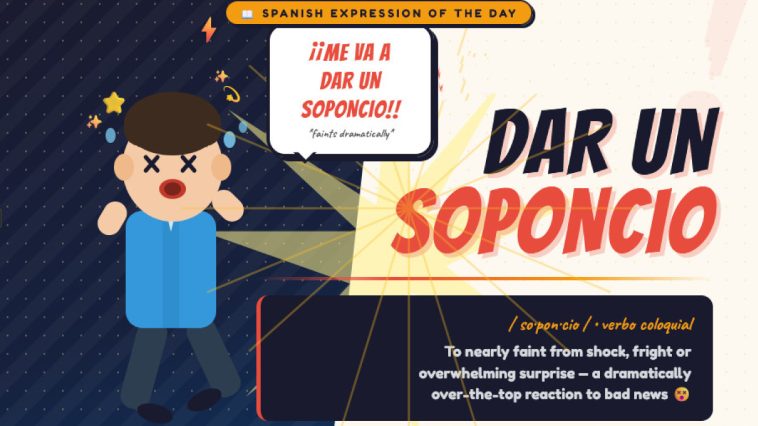
Mexican Spanish

More stories
-
in Spanish
Morning, Night, and Everything in Between: Mañana, Noche, Tarde… and Their Diminutives

Admin updated
Spanish students usually learn mañana, tarde, and noche very early. They look simple, but in real Spanish, especially in Mexico, these words change a lot with diminutives and set expressions. Mañanita, tardecita, and nochecita are not just “smaller” versions. They carry time, mood, and sometimes intention. This post tries to clarify those differences in a […] More
-
in Spanish
10 Spanish Expressions That Are Not So Easy to Figure Out

More expressions that confuse Spanish students Spanish expression Literal translation Real meaning in English estar amolado (Mexico) to be ground down / worn to be broke, in trouble, or in a bad situation ser maleta to be a suitcase to be bad at something, clumsy, or useless at a task chuchulucos (Mexico) little trinkets / […] More
-
Chopped Spanish — common spoken shortenings you’ll hear everywhere

Spanish that is not in the books, but that exists in everyday casual speech In casual Spanish, people shorten words all the time. They move fast, they like rhythm, and they often drop syllables — especially para, está, estoy, espera, and nada. These shortened forms are normal in conversation but usually not written (except in […] More
-
10 Expressions You Don’t Learn in Textbooks

Spanish is rich, playful, and full of expressions that even advanced students find mysterious. Many of them don’t mean what the words literally say — and some don’t even make sense if you translate them word by word. Here are ten expressions that many people in Mexico use all the time, with their literal meanings […] More
-
CAMIÓN y CAMIONETA

In the Romance-speaking world, camión simply means a heavy truck. But if you are in Mexico City, the phrase “Voy en el camión” doesn’t mean you are driving a freight vehicle. It could mean you’re on a bus. It’s one of those unique Mexican usages that confuse native Spanish speakers from Spain or Argentina, and […] More
-
10 Expressions That Are Not Easy to Figure Out – Brincos Dieras

Here are ten colloquial expressions that you’ll hear on the street, in songs, and even in movies. Be careful — some of them are pejorative or rude, so it’s important to learn them for understanding, not for repeating in formal situations. Spanish Expression Literal Translation Meaning / English Equivalent Ser solo pantalla To be […] More
-
¡Con ganas!

Note: Gana in these examples is not the same as the verb ganar (to earn, to win, to gain) and its nouns ganancia, ganador, etc. When students first hear the word gana, they usually think it means desire or wish. But in reality, gana and its plural ganas appear in many different expressions, some very […] More
-
Híjole: the little Mexican exclamation that has many meanings
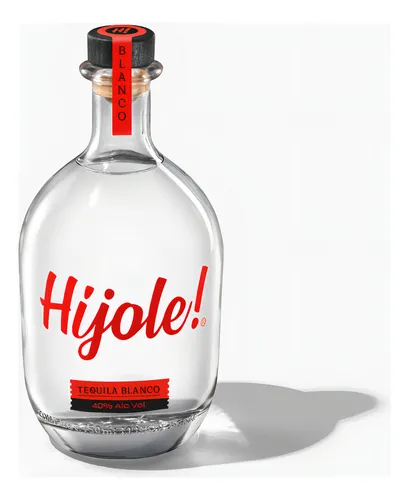
If you’ve listened to Mexican Spanish for a while, you’ve probably heard a short, breathy sound that comes out on surprise, irritation, admiration or mild defeat. That little word is híjole (sometimes written hijole, sometimes híjoles), and it’s one of those automatic expressions that people use without thinking. The Real Academia defines híjole as a […] More
-
in Culture, Mexico, Spanish, Vocabulary
Diminutives for Food in Mexican Spanish
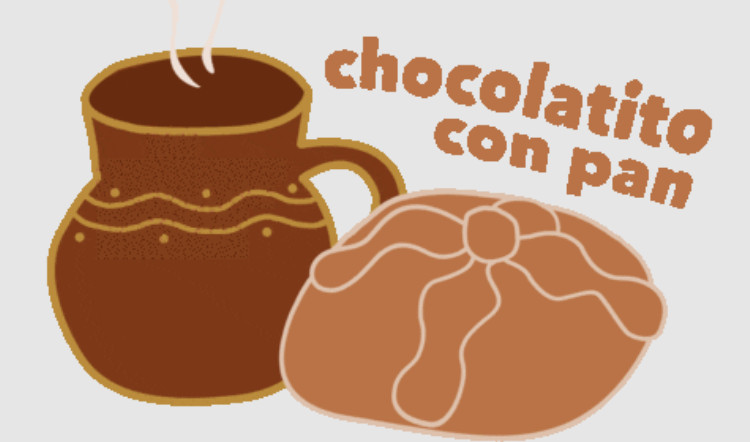
If you spend time in Mexico, you will hear diminutives everywhere — and food is one of the favorite places to find them. Un cafecito, unos huevitos, tómate tu lechita, un pastelito, unas tortillitas calientitas… these little endings do a lot of work. They sometimes mean size, but often they mean something else: friendliness, politeness, […] More
-
El Monte de Piedad
When Spanish learners hear the expression llevar algo al Monte de Piedad, it can sound poetic, even mysterious. Literally, it means “to take something to the Mount of Mercy,” but in everyday Spanish it simply refers to pawning an item. This expression has deep roots, going all the way back to Renaissance Italy and the […] More
-
in Culture, Mexico, Spanish, Translation, Vocabulary
Notario Público vs. Notary Public: A World of Difference
Notario Público When Spanish-speaking students first come across the term Notario Público, they are often tempted to translate it directly as Notary Public. After all, the words look the same, and in both cases we are talking about someone who signs and stamps legal documents. But the truth is that the role of a Notario […] More
-
El Burro

In many Spanish-speaking countries, the word burro has many uses. It can mean donkey, it can mean a big burrito, or even a stubborn person. But in the school context, to ser burro / ser burra for female students, means something very specific: the least smart or the laziest student in the classroom. In other […] More