


Spanish for English speakers
More stories
-
in Spanish
Arena. Same Word, Very Different Sound, and sometimes different meaning.

Admin updated
Why familiar words can confuse your ear even when you already know them One of the biggest surprises for Spanish students who speak English is this: sometimes a word looks exactly the same in both languages, but it sounds completely different. Your brain says “I know this word”, but your ear hears something else. This […] More
-
in Spanish
Manos y Manecillas

One of the things that sometimes confuses Spanish students is when a word looks like a diminutive, but it does not really mean “small”. In English, when something gets smaller, we usually add an adjective like small or little. In Spanish, the language often changes the word itself. Sometimes that change is affectionate or about […] More
-
10 Expressions You Don’t Learn in Textbooks

Spanish is rich, playful, and full of expressions that even advanced students find mysterious. Many of them don’t mean what the words literally say — and some don’t even make sense if you translate them word by word. Here are ten expressions that many people in Mexico use all the time, with their literal meanings […] More
-
10 Expressions That Are Not Easy to Figure Out – Brincos Dieras

Here are ten colloquial expressions that you’ll hear on the street, in songs, and even in movies. Be careful — some of them are pejorative or rude, so it’s important to learn them for understanding, not for repeating in formal situations. Spanish Expression Literal Translation Meaning / English Equivalent Ser solo pantalla To be […] More
-
¡Con ganas!

Note: Gana in these examples is not the same as the verb ganar (to earn, to win, to gain) and its nouns ganancia, ganador, etc. When students first hear the word gana, they usually think it means desire or wish. But in reality, gana and its plural ganas appear in many different expressions, some very […] More
-
in Spanish
10 Expressions That Are Not Easy to Figure Out. Desmadre
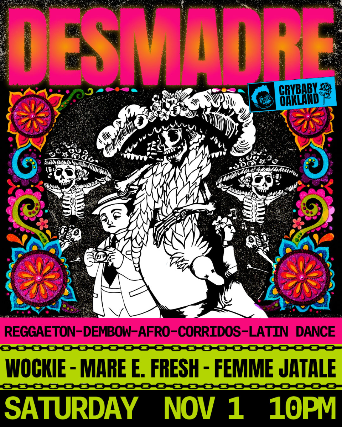
The Spanish you hear on TV in the US is full of expressions that sound confusing for students because their literal meaning has little to do with the real intention. Sometimes these are very colorful, sometimes strong, sometimes playful. They are used every day, and even though they look difficult, once you know them, they […] More
-
Generic Names of Animals in Spanish
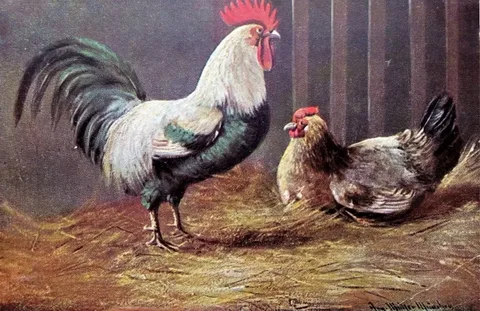
In Spanish, nouns have a gender: masculine or feminine. For students, it can be strange when animals are sometimes “he” or “she” by default. For example, in English we say the spider, and it can be male or female, but in Spanish it is always la araña (feminine). On the other hand, el pez, el […] More
-
in Culture, Grammar, Spanish, Translation
The Many Faces of “Pues”: One Tiny Word, So Many Meanings

If you have ever studied Spanish and thought you were starting to understand it, a little word like pues probably appeared and ruined your confidence. Dictionaries will tell you that pues means “since,” or “because,” or “then,” or “so,” and they are not wrong — but they are not fully right either. The truth is […] More
-
in Culture, Funny, Spanish, Vocabulary
Fulano, Mengano and Zutano: The Mysterious and Funny Names of Nobody

If you study Spanish long enough, sooner or later you will hear the words Fulano, Mengano and Zutano. These names don’t really belong to anybody, but they are used to talk about a person without saying the real name, or when the name is not important. For example, someone can say “Fulano me dijo que…” […] More