

Spanish grammar
Latest stories

More stories
-
Generic Names of Animals in Spanish
Admin updated
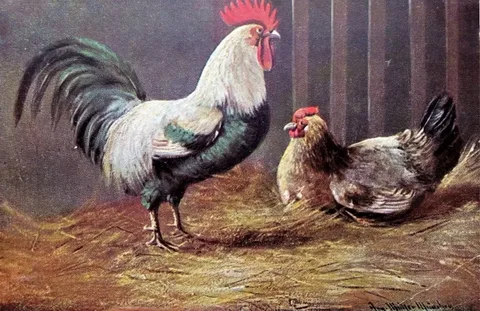
In Spanish, nouns have a gender: masculine or feminine. For students, it can be strange when animals are sometimes “he” or “she” by default. For example, in English we say the spider, and it can be male or female, but in Spanish it is always la araña (feminine). On the other hand, el pez, el […] More
-
in Spanish, Translation, Vocabulary
Pasado Mañana: When “Past” Actually Means the Future

For many English speakers learning Spanish, the phrase pasado mañana is one of those expressions that makes them stop and think: “Wait a second, why does it mean the day after tomorrow if pasado usually means past?” It looks like it should refer to something that already happened, but in Spanish it actually points to […] More
-
in Grammar, Spanish, Translation, Vocabulary
Ser and Estar: Your Essential Spanish Guide
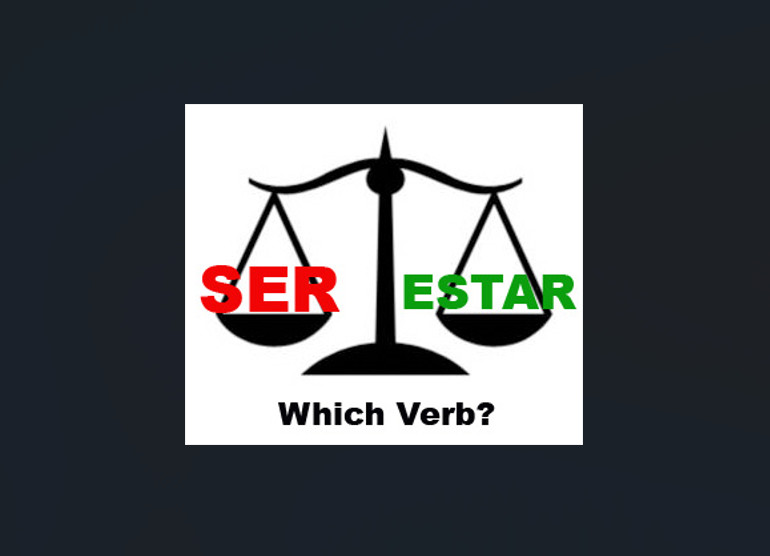
Learning Spanish can be a wonderful and challenging task. One of the most common difficulties for students is knowing when to use the verbs Ser and Estar. Both translate to “to be” in English, but they have very different uses in Spanish. Don’t worry, by the end of this post, you’ll have a clearer idea! […] More
-
in Grammar, Spanish, Translation, Vocabulary
Por or Para, last minute refresher

Let’s say that you are taking an exam about Para and Por tomorrow and you need something quick to remember the most important points, you don’t want to just blindly guess the answers. The use of “por” and “para” in Spanish is a bit tricky, but there are some general rules that, in many cases, […] More