

Spanish idioms

More stories
-
10 Expressions That Are Hard to Guess
Admin updated
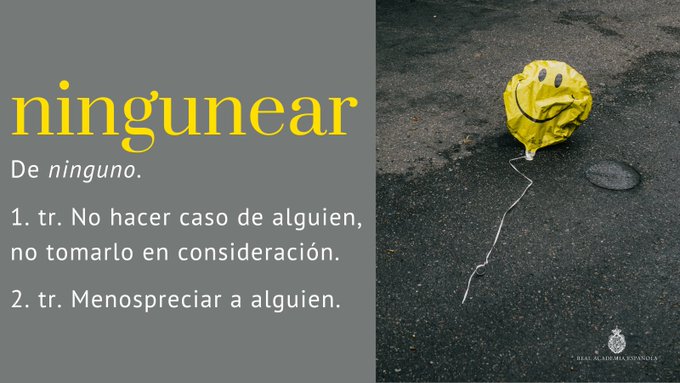
In this post, we explore ten popular expressions that are commonly heard in conversations, on TV, and in everyday life in Mexico. Some of them can be rude or informal, so they must be understood but not necessarily used carelessly. Spanish Expression Literal Translation Equivalent in English ningunear to “no-one” someone To belittle, ignore, treat […] More
-
¡Con ganas!

Note: Gana in these examples is not the same as the verb ganar (to earn, to win, to gain) and its nouns ganancia, ganador, etc. When students first hear the word gana, they usually think it means desire or wish. But in reality, gana and its plural ganas appear in many different expressions, some very […] More
-
in Spanish
10 Expressions That Are Not Easy to Figure Out. Desmadre
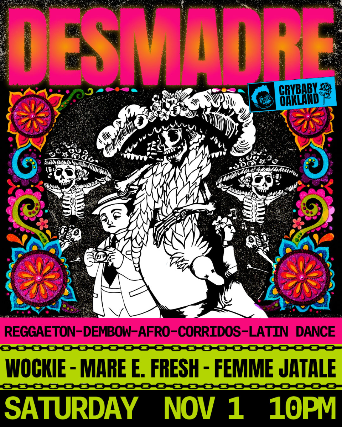
The Spanish you hear on TV in the US is full of expressions that sound confusing for students because their literal meaning has little to do with the real intention. Sometimes these are very colorful, sometimes strong, sometimes playful. They are used every day, and even though they look difficult, once you know them, they […] More
-
10 Spanish Expressions That Are Not Easy to Figure Out. Ya me agarraron de su puerquito.
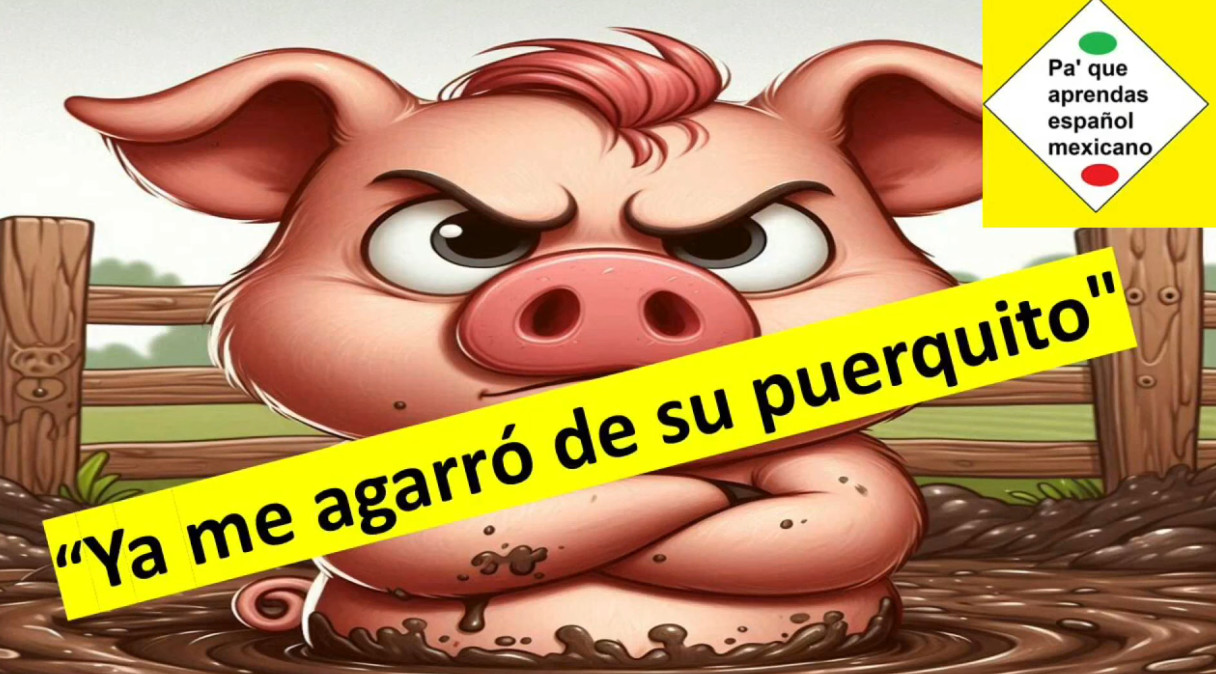
Here is another batch of ten colloquial Spanish language expressions, their literal meaning, and their closest equivalent in English. Some are humorous, others are very informal, and a few can sound rude or pejorative — so learn them, but use them carefully or just recognize them when you hear them. Spanish Expression Literal Translation Natural […] More
-
10 Spanish-language Expressions That Are Not Easy to Figure Out. Tres Doritos Después.
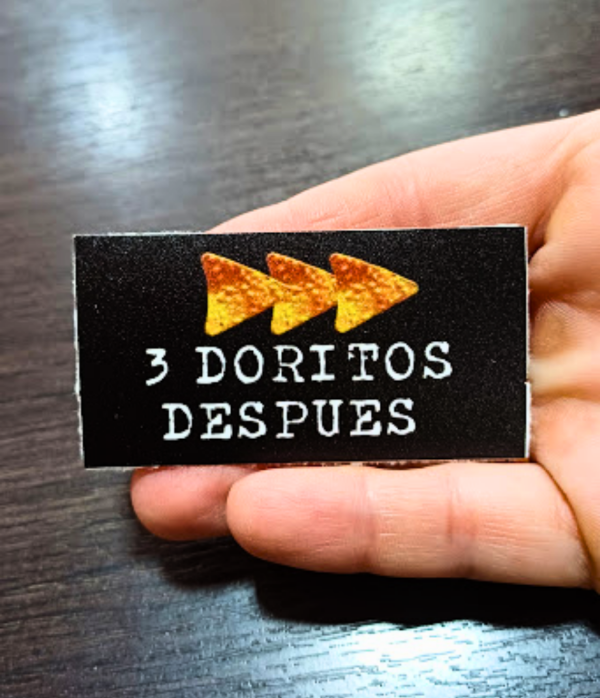
Everyday phrases that don’t translate directly Spanish is full of expressions that confuse students because the literal meaning does not match the actual usage. Some of them are playful, others are pejorative (so they are better learned than repeated), and a few are just Mexican. Here is a batch of ten more examples. Spanish expression […] More
-
in Spanish, Translation, Vocabulary
Pasado Mañana: When “Past” Actually Means the Future
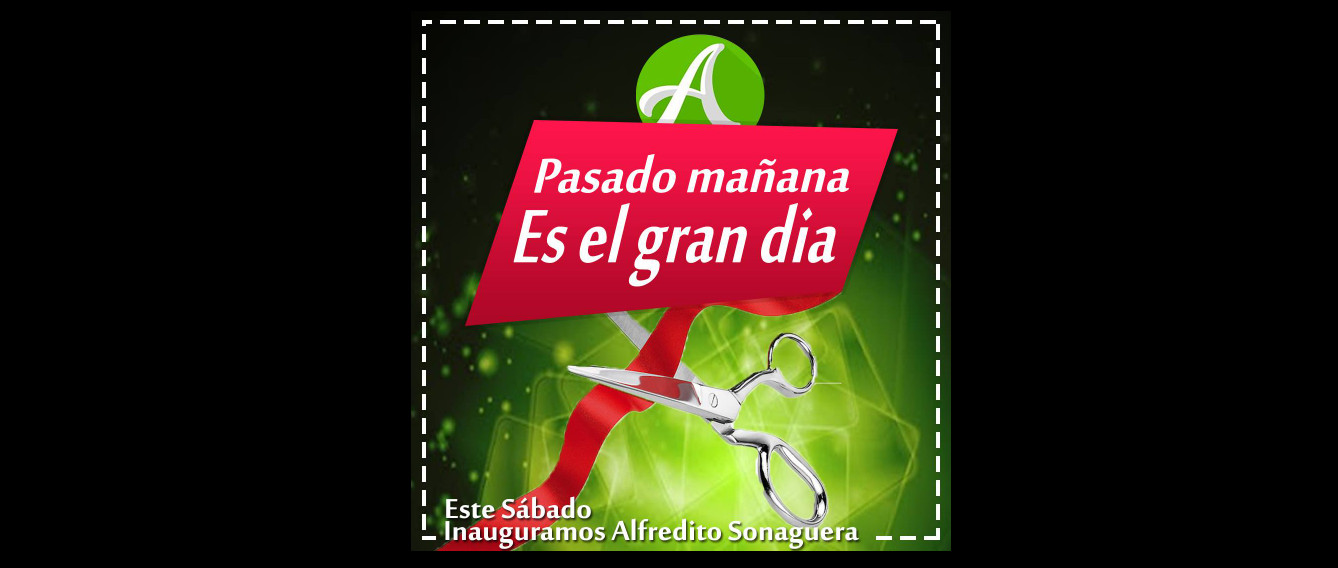
For many English speakers learning Spanish, the phrase pasado mañana is one of those expressions that makes them stop and think: “Wait a second, why does it mean the day after tomorrow if pasado usually means past?” It looks like it should refer to something that already happened, but in Spanish it actually points to […] More
-
10 Expressions That Are Not Easy to Figure Out. El Torito.

One of the most confusing but also most fun parts of learning Spanish is discovering expressions that don’t make sense when you try to translate them word for word. Mexican Spanish in particular has many colloquial sayings that students hear in daily on TV show conversations but that are not easy to figure out at […] More
-
in Culture, Funny, Spanish, Vocabulary
Fulano, Mengano and Zutano: The Mysterious and Funny Names of Nobody

If you study Spanish long enough, sooner or later you will hear the words Fulano, Mengano and Zutano. These names don’t really belong to anybody, but they are used to talk about a person without saying the real name, or when the name is not important. For example, someone can say “Fulano me dijo que…” […] More
-
Carrazo 2.0: Spanish words that end with -azo

Almost 20 years ago we posted about -azo / -aza on SpanishNY. This is the updated version. In Spanish, this ending can mean bigger/awesome, or it can mean a hit/blow with something. There isn’t a perfect one-word match in English, so the best way is to learn it by examples. “Bigger / awesome” uses Spanish […] More