

 Admin
Admin
Warnings in Spanish with no te vayas a…
In Spanish, everyday warnings often sound caring, not bossy. Instead of just “don’t do that,” people use a structure that feels like “careful, you’re about to…”.
Pattern: No + pronombre + vayas a + verbo (infinitivo)
It uses the verb ir in the subjunctive/negative command, but here it works like English “be going to” for a near future that you want to avoid: “Don’t be about to… / Don’t go and…”.
- ¡Cuidado, no te vayas a quemar! – Careful, don’t burn yourself. (tú)
- No te vayas a caer. – Watch out, don’t go and fall. (tú)
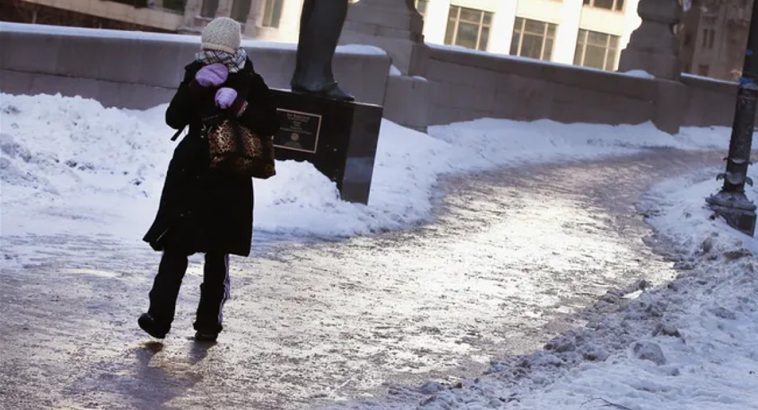
- No te vayas a resbalar. – Don’t go and slip. (tú)
- No lo vayas a manchar. – Be careful; don’t go and stain it. (tú)
This pattern also works with usted, ustedes, not only with tú:
- Cuidado, no se le vayan a caer las llaves. – Careful, don’t go and drop your keys. (usted)
- No se vayan a resbalar. – Don’t go and slip. (ustedes)
- No se vaya a cortar. – Don’t go and cut yourself. (usted)
- No se vayan a enfermar. – Don’t go and get sick. (ustedes)
“Accident” verbs: it happens a ti
In Spanish we often describe accidents as things that happen to someone, not things a person decides to do. That is why reflexive verbs and se me are so common in these situations.
Very common “accident verbs”:
- caerse – to fall down
- quemarse – to burn oneself
- mancharse / ensuciarse – to get stained / get dirty
- lastimarse – to get hurt
- tropezarse – to trip
Examples with warnings:
- No te vayas a caer de la silla. – Don’t go and fall off the chair. (tú)
- Cuidado, no te vayas a cortar con el cuchillo. – Careful, don’t cut yourself with the knife. (tú)
- No se vaya a ensuciar el pantalón. – Don’t go and get your pants dirty. (usted)
Classic warning words
Many times a warning starts with a short “alert” word, and then the no te/se vayas/vaya/vayan a… part.
- ¡Cuidado! – Watch out! / Be careful!
- ¡Aguas! – Very common in Mexico, like “Heads up!”
- ¡Ojo! – Literally “eye”, used as “Look out / Pay attention.”
- ¡Ten cuidado! – Be careful.
Examples:
- ¡Aguas, no te vayas a resbalar! – Watch out, don’t go and slip. (tú)
- ¡Cuidado, no se vayan a resbalar en las escaleras! – Careful, don’t go and slip on the stairs. (ustedes)
- ¡Ojo con la sopa, no te vayas a quemar! – Watch the soup, don’t burn yourself. (tú)
Handy examples to remember
| Spanish warning | English idea |
|---|---|
| ¡Aguas! | Watch out! (slang) |
| ¡Cuidado! | Be careful! |
| ¡Ojo! | Look out! / Pay attention! |
| No te vayas a lastimar. | Don’t go and get hurt. (tú) |
| No te vayas a caer. | Don’t go and fall. (tú) |
| No lo vayas a manchar. | Don’t go and stain it. (tú) |
| No se vaya a resbalar. | Don’t go and slip. (usted) |
| No se vayan a resbalar. | Don’t go and slip. (ustedes) |
Body parts tip: use the article (la, el) instead of possessives. The reflexive pronoun already shows whose body part it is.
No te vayas a quemar la mano. (NOT tu mano.)