

 Admin
Admin
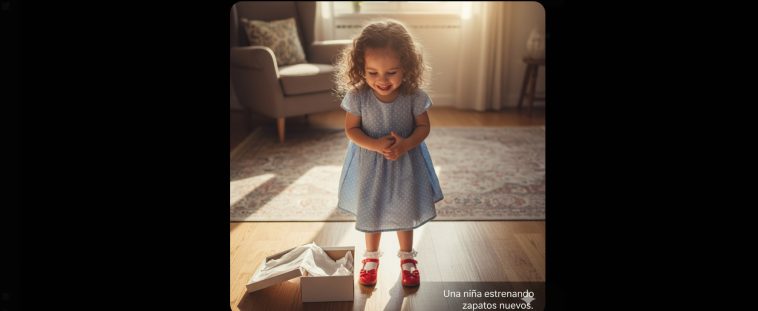
“`html
✨ “Estrenar”: A Spanish Verb with No Exact English counterpart
Wearing, using or showing something for the first time… all in one word
Spanish has a very special verb that English doesn’t really have: estrenar. We use it all the time, but it’s hard to translate with just one neat word in English.
At its core, estrenar means to use, wear or show something for the first time, especially when it’s new or special. It can be a pair of shoes, a car, a house, a haircut, a romance, a TV show or a movie.
Everyday “estrenar”: clothes, shoes, cars, houses
One of the most common uses of estrenar is with clothes and shoes:
- Hoy estoy estrenando zapatos. → I’m wearing these shoes for the first time.
- ¿Ese vestido es nuevo? ¿Lo estás estrenando hoy? → Is that dress new? Are you wearing it for the first time today?
But we can also estrenar bigger things:
- Acabamos de estrenar casa. → We’ve just moved into our new house (we’re using it for the first time).
- Ya estrené coche este año, la ropa puede esperar. → I already treated myself to a new car this year; clothes can wait.
Notice how in English we need different verbs: wear for the first time, move into, take out, use, try out. Spanish compresses all of that into this one verb: estrenar.
“¿Estrenando?” – the one‑word question
There’s a very Spanish question that doesn’t translate literally: «¿Estrenando?»
Imagine you see a friend with new glasses or a new jacket:
- —¡Qué bonitos zapatos! ¿Estrenando?
→ “Nice shoes! New? Wearing them for the first time?”
In English you’d probably say something like “New shoes?” or “First time wearing them?”, but in Spanish a single estrenando covers the whole idea: I see this is new, and you’re using it for the first time.
“Estreno” and “de estreno”
From the verb estrenar we also get the noun estreno.
- Hoy es el estreno de la obra. → Today is the premiere of the play.
- ¿Vas al estreno de la película? → Are you going to the movie premiere?
- Hoy estamos de estreno. → Estamos de estreno en la oficina, tenemos computadoras nuevas. Hoy estamos de estreno con el menú (restaurante), hoy estamos de estreno con la página web. Hoy estamos de estreno con el logo. Estamos de estreno con la decoración navideña.
“Estar estrenando”: to be in first‑time mode
You’ll often hear estar estrenando to highlight that “first time” vibe:
- Estoy estrenando celular. → I got a new cellphone.
- Ella está estrenando apartamento. → She’s just moved into (and is using) her new apartment.
- Estamos estrenando profe este semestre. → We have a brand‑new teacher this semester.
In English we usually have to paraphrase: to wear for the first time, to break in, to try out, to show off something new.
Estrenar vs. possible English translations
There’s no perfect one‑word translation for estrenar. Depending on the context, you might choose different English verbs:
Instead of searching for one “perfect” English verb, it’s more useful for students to accept “estrenar” as a very Spanish concept: the excitement of using or showing something for the first time.
Question
→ What would you like to “premiere” in your life this year — clothes, a car, a job, a city, a relationship?
Even if there’s no exact one‑word translation in English, once you connect estrenar with that first‑time, brand‑new feeling, you will start hearing it everywhere.