

 Admin
Admin
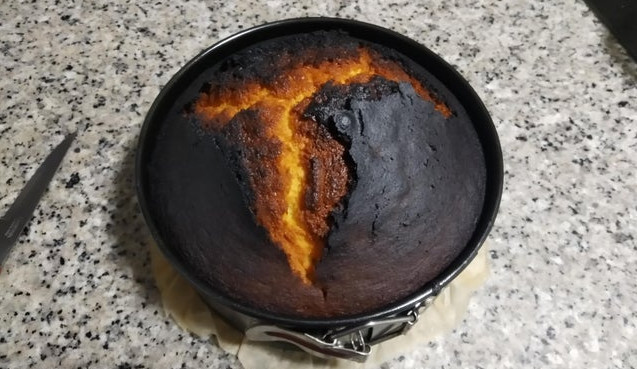
Quick idea
In Spanish, mal is usually an adverb meaning “badly, in a bad way, wrongly, poorly”. We use it all the time to talk about health, results, behavior, and even moral judgments, so it is much more frequent in real life than many students expect.
Some expressions with mal
Common when softening criticism or a joke.
| Expression | English meaning | Notes |
|---|---|---|
| encontrarse mal / sentirse mal | to feel bad / unwell | Physical or emotional; very common for talking about health. |
| estar mal | to be unwell / to be in a bad way | Can be physical, emotional, financial, or moral depending on context. |
| dormir mal | to sleep badly | Same pattern with other verbs: comer mal, caminar mal, conducir/manejar mal. |
| comer mal | to eat badly / unhealthily | Often about diet or habits (junk food, irregular meals). |
| conducir/manejar mal | to drive badly / with difficulty | To be a bad driver (vehicle). |
| hacer algo mal | to do something wrong / badly | Core pattern: hacerlo mal, decirlo mal, entender mal algo. |
| salir mal / quedar mal | to turn out badly | For plans, food, photos, projects, exams, etc. |
| ir / salir mal parado | to come out badly / to end up in a bad position | You are the one who suffers the worst outcome. |
| ir de mal en peor | to go from bad to worse | Very frequent fixed expression. |
| hablar mal de alguien | to speak badly about someone | To criticize or bad‑mouth someone. |
| caer mal (a alguien) | to dislike someone / something; to rub someone the wrong way | Works like gustar: Me cae mal, te cae mal, le cae mal… (Caer bien, the opposite). |
| tomarse algo a mal | to take something badly / to take offense | Common when softening criticism or a joke. |
| sentar mal (la comida, un comentario…) | to make you feel bad | Something doesn’t suit you. Clothes, food that makes you feel sick, etc. |
A few more examples in context
Hoy me siento mal, creo que voy a cancelar la clase.
Today I feel bad, I think I’m going to cancel the class.
Las fotos salieron muy mal, casi no se ve nada.
The photos turned out really badly; you can hardly see anything.
Si conduces tan mal, te van a poner una multa.
If you drive that badly, they’re going to give you a ticket.
No te lo tomes a mal, pero creo que estás equivocado.
Don’t take it badly, but I think you’re wrong.
Últimamente las cosas van de mal en peor en la oficina.
Lately things are going from bad to worse at the office.
Me cae muy bien tu hermana, pero tu hermano me cae bastante mal.
I really like your sister, but I don’t like your brother.
Ese comentario le sentó muy mal, casi se pone a llorar.
That comment made her feel really bad; she almost started crying.
Está mal mentirle a la gente solo para quedar bien.
It’s wrong to lie to people just to look good.
En la entrevista pasé un mal rato, me puse muy nervioso.
I went through a bad moment in the interview; I got really nervous.
Si vuelves a llegar tarde, vas a quedar mal con todo el equipo.
If you’re late again, you’re going to look bad in front of the whole team.
Comimos muy tarde y luego dormimos mal toda la noche.
We ate very late and then we slept badly all night.
Lo juzgué mal al principio, pero en realidad es muy buena persona.
I judged him badly at first, but he’s actually a really good person.
Si haces el trámite mal, vas a tener que volver a empezar.
If you do the paperwork wrong, you’re going to have to start over.
Cuando estoy muy cansado, hago las cosas mal y cometo muchos errores.
When I’m really tired, I do things badly and make lots of mistakes.