

 Admin
Admin
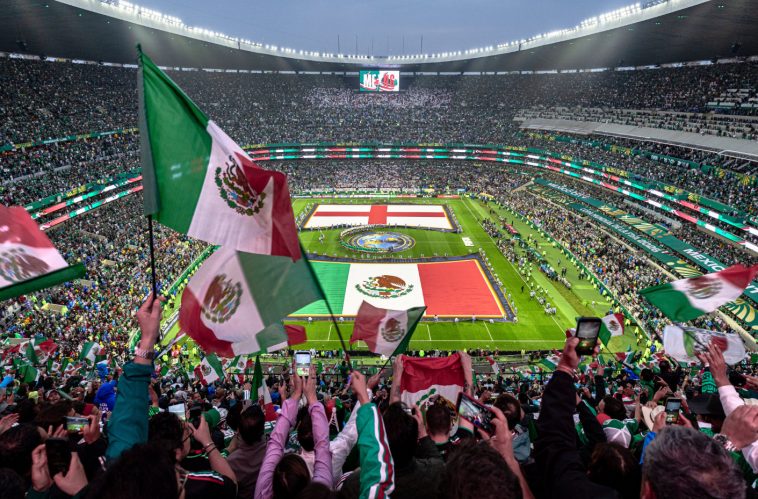
The FIFA World Cup is a perfect excuse to learn Spanish soccer vocabulary. In English you see both “football” and “soccer”; in Spanish you hear fútbol, sometimes written “futbol” in Mexico, and a long list of words that commentators and fans use during the matches. This guide puts key World Cup terms in one table, with short notes so English speakers can follow the Spanish coverage.
| Spanish | English | Notes |
|---|---|---|
| la Copa del Mundo | the World Cup | Widely used in Spain and Latin America. Literally “Cup of the World”. |
| la Copa Mundial | the World Cup | Very common in news and written media. Mundial means worldwide. |
| el Mundial | the World Cup | Short, informal form used by fans and commentators: “¿Vas a ver el Mundial?”. |
| el Mundial de Fútbol | the Football / Soccer World Cup | Adds the sport explicitly; good for beginners who see “Mundial” in other contexts. |
| la Copa Mundial de la FIFA | the FIFA World Cup | Official long name; FIFA stays the same in Spanish and English. |
| el fútbol | soccer (US), football (UK) | Standard spelling with accent on the first syllable: FÚT‑bol. This is the usual form in careful writing. |
| el futbol (Mx) | soccer | In Mexico and some Central American countries, people often write “futbol” without the accent and pronounce it the same way. |
| el fútbol americano | American football | Used in Spanish for NFL and US‑style football. Helpful to avoid confusion with fútbol (soccer). |
| el balompié | football (soccer) | Formal, somewhat old‑fashioned word. Literally “kick‑foot”, used occasionally in writing. |
| el partido | match, game | Generic word for a game of soccer: ver un partido, ganar el partido. |
| el encuentro | match, contest | Slightly more formal; common in sports journalism and commentary. |
| el torneo | tournament | Any competition with multiple matches: un torneo internacional. |
| la selección nacional | national team | Literally “national selection”: the country’s team for the World Cup. |
| el campeón | champion | The team that wins the tournament. |
| el subcampeón | runner‑up | The team that finishes second. |
| los octavos de final | round of 16 | Knockout stage with 16 teams. |
| los cuartos de final | quarter‑finals | Stage with 8 teams. |
| la semifinal | semifinal | Stage before the final. |
| la final | final | The last match; decides the champion. |
| el trofeo | trophy | The physical cup or trophy that the champion lifts. |
| el campo | field, pitch | Common in Spain: el campo de fútbol. |
| la cancha | field, pitch | Very common in Latin America: la cancha de fútbol. |
| la portería | goal (structure) | In Spain: the frame and net; also used in other countries. |
| el arco | goal (structure) | Common term in much of Latin America. |
| la meta | goal (structure / aim) | In some regions, used for the goal frame; also “goal / objective” in general Spanish. |
| el área, el área grande | penalty area, box | The big box in front of the goal; also called área de penal. |
| el área chica | goal area, small box | Smaller box closest to the goal line. |
| la banda | touchline, sideline | The long sides of the field. Saque de banda = throw‑in. |
| el córner, el saque de esquina | corner kick | Córner comes from English; saque de esquina is a more formal phrase. |
| el jugador / la jugadora | player | Generic word for any player, male or female. |
| el futbolista / la futbolista | footballer, soccer player | Highlights that the person plays soccer specifically. |
| el portero, el arquero, el guardameta | goalkeeper | Different words for the same position: Spain often uses portero; many Latin American countries also say arquero or guardameta. |
| el delantero | forward, striker | Attacking player close to the opponent’s goal. |
| el defensa, el defensor | defender | Player who mainly defends his own goal. |
| el mediocampista, el centrocampista | midfielder | Plays in the middle of the field, linking defense and attack. |
| el capitán | captain | Team leader on the field; wears an armband. |
| la pelota, el balón | ball | Both words are common; some regions prefer one over the other. |
| patear | to kick | Very frequent in Latin American speech. |
| tirar | to shoot | Often used for shooting towards goal: tirar a puerta. |
| pasar (el balón) | to pass (the ball) | Sending the ball to a teammate. |
| cabecear, rematar de cabeza | to head the ball | Hit the ball with your head, especially near goal. |
| marcar un gol, meter un gol | to score a goal | Both verbs mean “to score”; meter is more informal/fan language. |
| el gol | goal | When the ball legally enters the goal. Commentators may shout “¡Goooool!” for drama. |
| el golazo | amazing goal | Informal term for a spectacular or beautiful goal: long distance shot, bicycle kick, etc. |
| ¡golazo, azo, azo! | “what a huge goal!” (chant) | A playful chant heard in Spanish commentary: repeating azo to intensify the idea of an extraordinary goal. |
| la falta | foul | Any illegal contact or action: cometer una falta. |
| el fuera de juego | offside | Standard expression in Spain and most of Latin America. |
| el fuera de lugar | offside | Alternative expression in some Latin American countries. |
| la mano | handball | When a player (not the goalkeeper in his area) touches the ball with hand or arm. |
| la tarjeta amarilla | yellow card | Warning; two yellows usually lead to a red card. |
| la tarjeta roja | red card | The player is sent off and cannot continue. |
| el tiro libre | free kick | Kick taken after a foul, from the spot of the foul. |
| el tiro penal | penalty kick | Formal term for a penalty shot from the penalty spot. |
| el penal, el penalti | penalty | Many Latin American countries say penal; Spain often uses penalti (from English “penalty”). |
| el punto de penalti | penalty spot | Marked spot from which the penalty kick is taken. |
| el saque de banda | throw‑in | Restart from the sideline using a throw. |
| el saque de meta | goal kick | Kick taken from the goal area to restart play. |
| el saque inicial | kick‑off | Start of the match or restart after half‑time. |
| el marcador | score | “El marcador está 2–1” = the score is 2–1. |
| el empate | draw, tie | When both teams finish with the same number of goals. |
| empatar | to draw, to tie | Verb: “Empataron 1–1” = they drew 1–1. |
| ganar | to win | “Ganaron el partido” = they won the match. |
| perder | to lose | “Perdieron el partido” = they lost the match. |
| la victoria | victory | The win or triumph. |
| la derrota | defeat | The loss. |
| el tiempo extra | extra time | Additional play after a draw in knockout matches (often 30 minutes). |
| la prórroga | extra time | Very common term in Spain for extra time. |
| los penales, la tanda de penales | penalty shootout | Series of penalties after extra time to decide the winner. |
| la afición | fans, supporters | Collective name for the supporters of a team. |
| el hincha | fan (often passionate) | Common in South America; often implies a very intense fan. |
| el hooligan, el gamberro | hooligan | Violent or disruptive fan. |
| la grada | stands, bleachers | Where fans sit or stand during the match. |
| el estadio | stadium | The whole building that contains the field and stands. |
| el ambiente | atmosphere | Mood in the stadium or city during the World Cup. |
| la selección | national team | Short form of la selección nacional: la selección de México, la selección de Argentina. |
| el equipo | team | Generic word for team in any sport. |
| la plantilla | squad, roster | Group of players registered for the tournament. |
“`