

 Admin
Admin
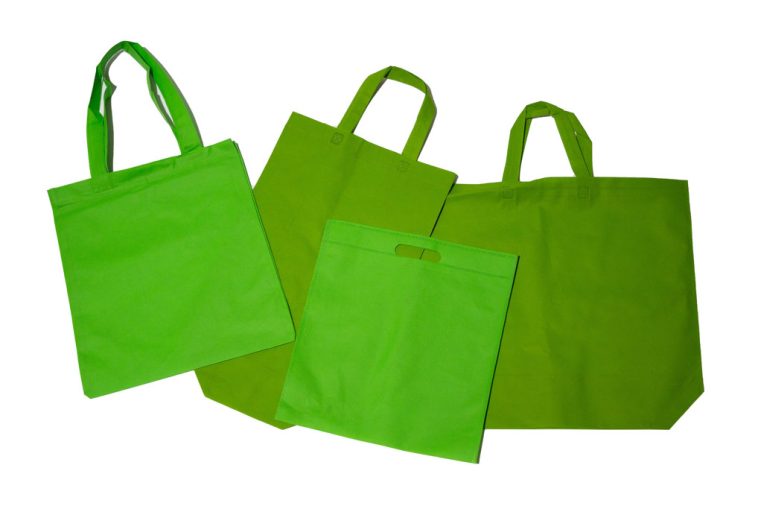
Spanish loves words that do many jobs. One of them is bolsa. In English, you usually need several different words – bag, purse, plastic bag, pocket, stock exchange – but in Spanish, bolsa covers a lot of that territory. It is a classic polysemic word: one form, many related meanings.
In this post we will look at some of the most common uses of bolsa, and also compare it with bolso and bolsillo, so you can choose the right word when you speak.
The many meanings of bolsa
| Spanish | Typical English | Explanation |
|---|---|---|
| la bolsa de plástico la bolsa del súper |
plastic bag, shopping bag | This is probably the most common modern use: the flexible bag you get in a store, usually plastic or paper. In English you just say “a bag.” |
| la bolsa del pantalón la bolsa del saco (Mx) |
In standard Spanish the normal word for a clothing pocket is bolsillo, but in Mexico and some regions people also say la bolsa del pantalón for “pants pocket.” English keeps “pocket” separate from “bag,” but Spanish lets bolsa invade that space in everyday speech. | |
| la bolsa del coche la bolsa de la silla la bolsa del asiento del avión |
storage pocket, seat pocket, pouch | Many objects (car seats, strollers, backpacks, airplane seats) have little “pockets” or “pouches.” Spanish often calls these bolsas: la bolsa del asiento del avión is the pocket in front of you with the brochures and safety card. |
| bolsa de dormir | sleeping bag | Literally “sleeping bag,” this fits the basic sense of bolsa: a sack or soft container you can get into or use to hold something. |
| bolsa de papas fritas bolsa de arroz bolsita de dulces |
bag of chips, bag of rice, little bag of candy | Any flexible container with food inside is usually una bolsa. When it is small, especially with candy or party favors, people often say bolsita: una bolsita de dulces, una bolsita de regalo. |
| tener bolsas bajo los ojos | to have bags under your eyes | Here bolsas are the little puffy areas or “circles” under tired eyes. English matches this one exactly: “bags under the eyes.” Ojeras is another more specific word for dark eyebags. |
| bolsa de petróleo bolsa de aire frío |
pocket of oil, pocket of cold air | In geology and weather, bolsa is a mass or cavity of something inside something else. English usually switches to “pocket” in these technical uses. |
| la bolsa del canguro | kangaroo pouch | The place where the kangaroo carries its baby is normally “pouch” in English, but in Spanish many people simply say la bolsa del canguro. |
| la Bolsa Bolsa Mexicana de Valores la bolsa subió / bajó |
the stock exchange, the stock market | With a capital B, la Bolsa is the stock exchange or stock market: la Bolsa de Nueva York, la Bolsa de Madrid, la Bolsa Mexicana de Valores. English needs a completely different word (exchange / market)”. Please read the note about Bolsa de Valores at the end. |
| bolsa de trabajo bolsa de estudios |
job board; pool of job offers / study grants | Bolsa de trabajo is literally a “bag” of jobs: a list or pool of openings. Bolsa de estudios can be a pool of scholarships or support. The idea is a collection of opportunities stored in one place. |
Bolsa, bolso, and bolsillo
For English speakers, it helps to keep this rule of thumb in mind: bolsa is the flexible container (bag, sack, plastic bag; and its small version bolsita), bolso is a handbag or purse you carry with you, and bolsillo is the pocket sewn into your clothes. Everyday speech in Mexico and other countries sometimes stretches bolsa to include “pockets” of pants or jackets, which makes the Spanish side broader and the English side more fragmented.
So when you see bolsa in Spanish, do not rush to one fixed translation. Ask yourself: is this a bag, a little bolsita, a pocket, a pouch under the eyes, a “pocket” of air or oil, a kangaroo pouch, or even the stock market? Spanish keeps one word; English needs to choose from several.
A historical note on bolsa de valores: It goes back to medieval Bruges (in what is now Belgium), where a merchant family or house called Van der Beurse hosted traders. Their name became the Dutch word beurs for “stock exchange,” and from it came French bourse (also “exchange” and “purse”). Spanish borrowed this with bolsa and bolsa de valores, and also the adjective bursátil (stock-market-related). The English word purse is a different word, but it carries the same basic image.