

 Admin
Admin

Some of these words are very regional, so what sounds normal in one country may sound strange or too strong in another. Some others are very similar across different Romance languages.
Spanish has many informal, strange, and funny words for body parts. Some are affectionate, some are slang, and some can sound rude, so it is good to know the difference. Don’t use them to bully anyone!
Around the waist and stomach
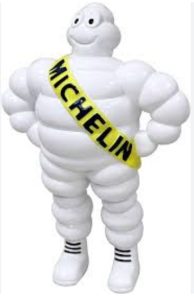
One common word is las lonjas, which usually means the folds of fat around the waist or stomach. It is very colloquial and you will hear it especially in Mexican Spanish. In Mexico, people also say las llantitas, which literally means “little tires” and refers to the fat around the waist. In Spain, a very common word is los michelines, which also means those little rolls of fat around the middle. People also say los rollitos or los rollos for small folds of fat on the waist, back, or stomach.
For the belly, many Spanish speakers simply say la panza. In Mexico, people sometimes say panza chelera or barriga cervecera when they mean a beer belly. You may also hear la pancita or la barriguita as softer, more affectionate words.
This is Michelin, check out his love handles:
Under the chin and on the face
La papada is the extra skin or fat that hangs under the chin. In English, this is the “double chin.” Some people also say doble barbilla or doble mentón. In some places, you may hear joking expressions like cuello de pato or pescuezo de guajolote, pescuezo de pavo (guajolote, pavo, turkey in Mexico). By the way, cuello (neck) is sometimes called pescuezo.
For the mouth and face, there are several slang words too. In Mexico, la trompa can mean the mouth, especially when someone is making a pouty face. Trompudo is the adjective. In Spain, los morros is another informal word for lips or a pout. La jeta is a very informal word for face in Mexico, and in some contexts it can sound rude, so it should be used carefully. Jeta (pronounced with the Spanish J) can mean an angry face, jetón would be the adjective which sometimes means a person who is asleep.
Around the eyes
Las patas de gallo are the wrinkles at the corners of the eyes. In English, this is “crow’s feet,” and it is a very common expression in Spanish. Las ojeras are the dark circles under the eyes. People usually get them when they are tired, do not sleep well, or are stressed. You may also hear las arrugas for wrinkles in general, and las líneas de expresión as a softer way to talk about wrinkles on the face.
Back, arms, and body folds
When people talk about the folds of fat on the back or around the bra line, they often say los rollitos de la espalda. In Spain, los flotadores is another informal word for the fat around the sides of the body, similar to “love handles” in English. Some people also say chichos in certain regions, although this is more local and not used everywhere.
For the arms, alas de murciélago is a common informal expression for the loose skin under the upper arms. The image is very clear: “bat wings.” This phrase appears even in fitness content that talks about toning flabby arms.
Chest and breasts
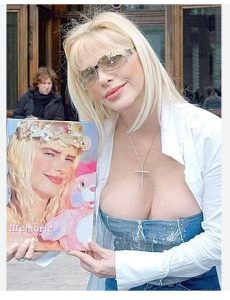
Los pechos or el pecho are safe words for breasts. Darle pecho al bebé, breastfeeding. A more formal word for chest is el busto. The chest area also has many informal words: Las chichis is a very colloquial word for breasts. The adjectives would be chichón and chichona. Chichón may be used jokingly to refer to a chubby man with breasts or to a bodybuilder, but those words could be used for teasing, flattering, or even bullying. In some places it can sound childish or sexist depending on the tone.
This is Italy’s Cicciolina; in Spanish, her name would be Chicholina (almost the same pronunciation).
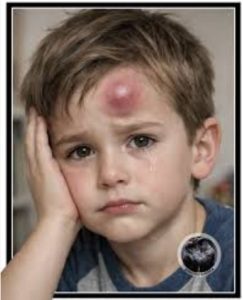
El chichón, as a noun, is also this:
Las tetas is much more direct. It is not the kind of word you use in polite conversation.
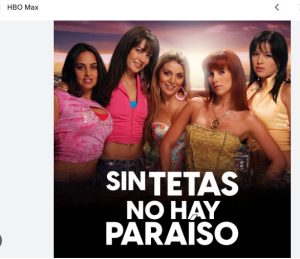
Los senos is used too.

Legs and feet
The neutral words are las piernas for legs and los pies for feet. But people sometimes use las patas in a joking or disrespectful way for human feet or legs. For animals, furniture, and other things, patas is the normal word. So if someone says “quita las patas,” (move your legs somewhere else) ¡Baja tus patotas del sofá! They are talking about your feet, but in a very informal and not very polite way.
Butt and hips
There are many words for the butt, and some are softer than others. In Mexico, las pompis is a cute, child-friendly word. Las pompas is similar and also informal. Las nalgas is the more neutral anatomical word and appears in more careful or formal speech.
In Mexico, el trasero (rear), las nachas is a very colloquial word for the buttocks and should be used carefully. In Argentina and some other countries, la colita is a soft, affectionate word, especially when talking to children. There are also more direct words like el culo, which can sound vulgar or rude depending on the country and the situation. Bolas means balls, by the way. Argentinians often use the expression andar en bolas, to be naked.
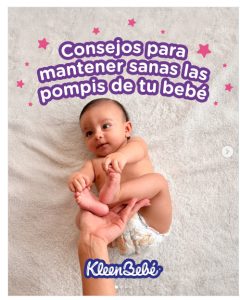
This is a real ad by KleenBebé using pompis:
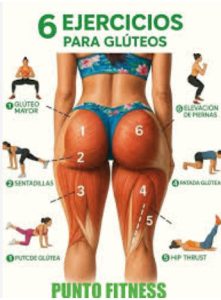
If you are at the gym, then you are training glúteos.
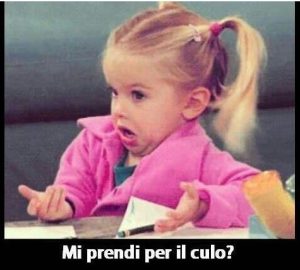
C-u-l-o in Italian is more mainstream than in Spanish; they even use it on TV.
In summary
If you want to keep it simple, these are some of the most useful expressions from this post. Lonjas are folds of fat around the waist, and llantitas are the “little tires” of extra fat around the waist. Papada is the double chin, ojeras are the dark circles under or around the eyes, and patas de gallo are the crow’s feet at the sides of the eyes. Trompa is a very informal way to talk about the mouth, jeta is a very informal way to say face, chichis are breasts in very colloquial speech, and tetas are also breasts but more direct and often rude. Pompis and pompas are soft or playful ways to talk about the butt, nalgas is more neutral, and nachas, cola are colloquial words for the same body part.
This kind of vocabulary is important because it shows how creative Spanish can be with the body. Italians also use a few of these words, so they must come from Latin originally.