

 Admin
Admin

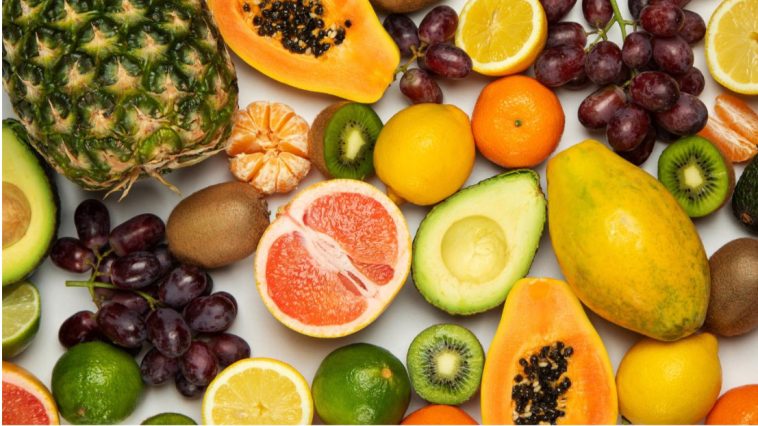
In Spanish, fruits and vegetables don’t always get the same name in every country.
You say a word that worked perfectly in one place… and in another country they look at you like you’re speaking Chinese.
In this post you’ll see some classic examples, so the next time you see china, palta, batata or pochoclo on a menu, you have an idea of what’s going on.
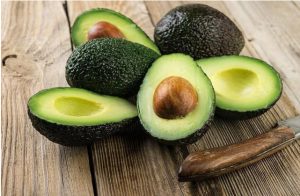
Aguacate y palta
Let’s start with the avocado.
In Mexico and Spain, the normal word is aguacate. That’s what you hear in the street and what you see in the supermarket.
In Chile, Argentina, Peru and other countries in the south of South America, people say palta. There you’ll see ensalada de palta, sándwich de palta, palta con tomate, etc.
Easy rule:
- Mexico, Spain, many countries: aguacate
- Chile, Argentina, Peru, etc.: palta
If you say palta in Mexico, most people will not know what you mean. If you say aguacate in Chile, they understand you, but it sounds a bit “from another country”.
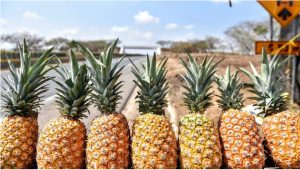
Piña y ananá
For “pineapple”, almost all Spanish‑speaking countries say piña. You’ll find piña colada, jugo de piña, pastel de piña in many places.
In Argentina and Uruguay you’ll often see ananá instead of piña in products and menus: jugo de ananá, helado de ananá.
In parts of Chile and Paraguay, ananá also appears.
If you want a safe word that everyone understands, use piña.
If you travel to the Southern Cone, it’s good to recognize ananá as “pineapple”.
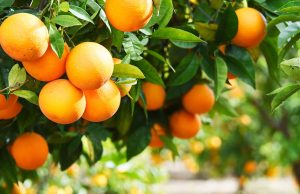
Naranja y china
The normal word for “orange” is naranja.
Jugo de naranja (or zumo de naranja in Spain) is standard in almost all Spanish‑speaking countries.
In Puerto Rico and parts of the Caribbean, the orange is called china.
So people order jugo de china, not jugo de naranja.
Summary:
- Most countries: naranja
- Puerto Rico and some Caribbean areas: china
If you see jugo de china on a menu, it’s orange juice.

Maíz, elote, choclo… y palomitas
With corn there are several words.
Maíz is the “neutral” word. Everyone understands that.
In Mexico, elote is the corn on the cob you eat in the street, often with lime, cheese and chile.
In the Andes (Peru, Bolivia, Ecuador, parts of Chile and Argentina), people say choclo for the ear of corn.
For “popcorn”, each region has its favorite word:
- palomitas (de maíz) – common in Mexico and Spain
- pochoclo / pororó – Argentina
- cabritas – Chile
- crispetas – Colombia and Venezuela
- Sometimes simply “popcorn” appears on the sign
If you are in a cinema and see any of these words near maíz, that’s your popcorn.
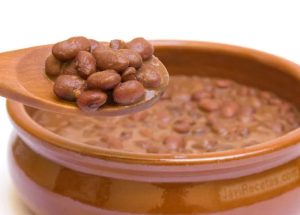
Frijoles, habichuelas, judías, porotos, caraotas
Beans are another classic case.
In Mexico, Cuba and much of Central America, the usual word is frijoles.
In the Dominican Republic and Puerto Rico, people say habichuelas: habichuelas guisadas, habichuelas rojas. In NYC Dominican restaurants you always hear habichuelas. “Arró con habichuela”.
In Spain, recipes often talk about judías or alubias.
In Argentina, Chile and Paraguay, beans are porotos.
In Venezuela, especially black beans, are called caraotas negras.
Two “key” words that help a lot:
- frijoles in most of Latin America
- judías when you’re in Spain
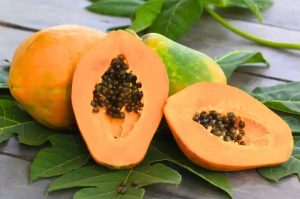
Papaya, fruta bomba y lechosa
In many countries, the fruit is simply papaya. That works in Mexico, Spain and much of Latin America.
In Cuba, the everyday term is fruta bomba.
The word papaya exists, but in Cuban Spanish it’s a very vulgar word for a part of the female body, so people avoid it in normal conversation.
In Venezuela and the Dominican Republic you can hear lechosa for the same fruit, especially in juices.
So, depending on the country, you might order:
- jugo de papaya (many countries)
- jugo de fruta bomba (Cuba)
- jugo de lechosa (Venezuela, DR)
Same fruit, different name.
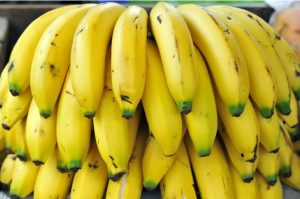
Bananas: plátano, banana, guineo, cambur
Bananas have a whole family of names.
In Spain and Mexico, the sweet fruit you eat raw is usually plátano.
In many places plátano macho is the big, firm plantain that you fry. The very small variety of bananas are called plátanos dominicos in México.
In several Central American and Caribbean countries, you’ll see banano or guineo for the sweet banana. In NYC you might hear “guineo” at Dominican restaurants.
In Venezuela, a sweet banana is cambur, and plátano normally means the plantain used for frying.
In Argentina, Uruguay and Chile, people usually say banana for the sweet fruit.
If you don’t want to complicate your life:
- banana and plátano are both widely understood
- The type (sweet or for cooking) usually becomes clear from the context
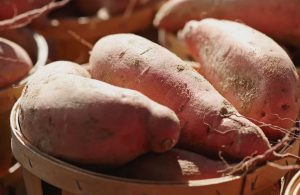
Sweet potato: camote, batata, boniato
The sweet potato also changes name.
In Mexico, it’s almost always camote.
In many Caribbean countries (Cuba, Puerto Rico, Dominican Republic), the usual word is batata.
In Spain and in Cuba you also see boniato.
In Argentina, Uruguay and parts of Chile, batata is the normal word in shops and recipes.
So:
- camote sounds very Mexican
- batata and boniato are common in the Caribbean and Spain
- In the Southern Cone, batata is the standard word
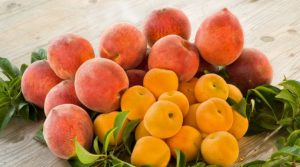
Durazno, melocotón, chabacano, damasco
Peaches and apricots look similar, but they change names too.
For peach, Spain mostly uses melocotón.
In almost all of Latin America, the word is durazno.
So on juice boxes you might see:
- zumo de melocotón in Spain
- jugo de durazno in Argentina or Chile
For apricot, there are other names:
- albaricoque – Spain
- chabacano – Mexico
- damasco – Argentina, Chile, Uruguay
Important:
durazno / melocotón = peach.
albaricoque / chabacano / damasco = apricot.
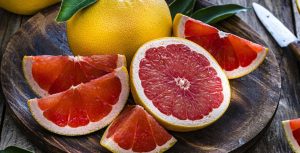
Toronja y pomelo
Another citrus that changes name is grapefruit.
In Mexico and several other countries, the usual word is toronja.
You’ll see jugo de toronja in menus and on juice boxes.Toronja comes from Arabic.
In Argentina, Uruguay and also in Spain, people normally say pomelo.
There you’ll find jugo de pomelo or zumo de pomelo.
So:
- toronja – very common in Mexico and other parts of Latin America
- pomelo – very common in Spain, Argentina, Uruguay and the Southern Cone
If you remember both, you’re ready to order grapefruit juice almost anywhere.
Finally,
The idea is not to memorize a huge list.
The main point is: don’t panic. If you see palta, china, fruta bomba, batata or pochoclo, it’s not a new fruit. It’s the same Spanish, just with a different “accent” and label. These are not all the fruits with different names; these are the ones I could remember. I don’t even know all of them.
If you enjoy this kind of vocabulary, we can do a second part with vegetables:
judías verdes, ejotes, porotos verdes, calabacín, zapallo, chícharos, arvejas, and many more.